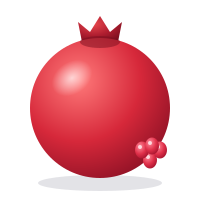
ABCD for Kids in English and Hindi with pictures
26 words · tap 🔊 to hear each one.
| Picture | English | Hindi | Say it | Listen |
|---|---|---|---|---|
 | A for Apple | A से Apple, सेब | Apple | |
 | B for Ball | B से Ball, गेंद | Ball | |
 | C for Cat | C से Cat, बिल्ली | Cat | |
 | D for Dog | D से Dog, कुत्ता | Dog | |
 | E for Elephant | E से Elephant, हाथी | Elephant | |
 | F for Fish | F से Fish, मछली | Fish | |
 | G for Grapes | G से Grapes, अंगूर | Grapes | |
 | H for House | H से House, घर | House | |
 | I for Insect | I से Insect, कीड़ा | Insect | |
 | J for Jellyfish | J से Jellyfish, जेलीफ़िश | Jellyfish | |
 | K for Kite | K से Kite, पतंग | Kite | |
 | L for Lion | L से Lion, शेर | Lion | |
 | M for Mango | M से Mango, आम | Mango | |
 | N for Nest | N से Nest, घोंसला | Nest | |
 | O for Octopus | O से Octopus, ऑक्टोपस | Octopus | |
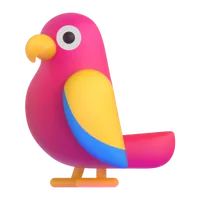 | P for Parrot | P से Parrot, तोता | Parrot | |
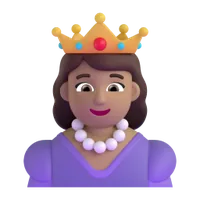 | Q for Queen | Q से Queen, रानी | Queen | |
 | R for Rabbit | R से Rabbit, खरगोश | Rabbit | |
 | S for Sun | S से Sun, सूरज | Sun | |
 | T for Tiger | T से Tiger, बाघ | Tiger | |
 | U for Umbrella | U से Umbrella, छाता | Umbrella | |
 | V for Violin | V से Violin, वायलिन | Violin | |
 | W for Watermelon | W से Watermelon, तरबूज़ | Watermelon | |
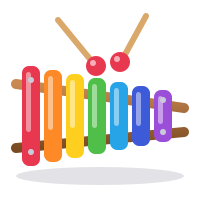 | X for Xylophone | X से Xylophone, ज़ाइलोफ़ोन | Xylophone | |
 | Y for Yo-yo | Y से Yo-yo, यो-यो | Yo-yo | |
 | Z for Zebra | Z से Zebra, ज़ेबरा | Zebra |
ABCD for kids starts with one simple idea: every letter has a name, a shape and a word your child already loves. On this page your child taps A and sees a red apple, taps B and sees a ball, taps C and meets a cat. Each word is spoken in clear audio in English and in Hindi, so the alphabet connects to words the child hears at home. It is free, there is no sign-up, and it works in any browser on a phone, tablet or computer.
What your child learns from this ABCD page
The game covers all 26 letters of the English alphabet, from A for Apple to Z for Zebra. For each card your child sees the capital letter, the small letter, a picture and the word. Over many short visits, children learn three separate things, and it helps to know which one you are working on:
- Letter names. "A, B, C" as you say them in the alphabet song. This is what most Indian schools call "ABCD".
- Letter shapes. Knowing that the round shape with a stick is "a" and the tall shape with a bump is "b". The cards show upper and lower case together.
- A to Z words. One easy picture word per letter (Apple, Ball, Cat, Dog, Elephant, Fish and so on). These anchor words help a child remember the letter later.
Letter sounds (the /s/ in sun, the /a/ in apple) are a fourth skill. They matter most for reading, and we cover them on the phonics sounds page. Many children know "A for Apple" long before they can say that "a" makes the short /a/ sound, and that is fine.
What is right for each age?
| Age | What to aim for | How to use this page |
|---|---|---|
| 2-3 years | Enjoy pictures and sounds. Sing the ABC song. No pressure to name letters. | Listen mode together; name the pictures, not the letters. |
| 3-4 years (nursery) | Recognise the letters of their own name and a few favourites. | Listen, then Find it with 2-3 choices. |
| 4-5 years (LKG) | Name most capital letters; start small letters and first sounds. | Find it and Memory; move on to phonics. |
| 5-6 years (UKG / class 1) | Name all 26 letters in upper and lower case; link letters to sounds; read simple words. | Quick review here, then three letter words. |
India's NIPUN Bharat targets for Balvatika (age 5-6) ask children to recognise letters and their sounds and read words of two or three letters. So "how to learn abcd for nursery" really means: play with letters, sing, and get familiar. Mastery comes later.
How to use these alphabet games
Listen
Tap any card to hear the letter and its word, for example "A, Apple, सेब". Let your child tap freely in any order. Toddlers love this mode because every tap gets an answer.
Find it
Golu, our glass-marble mascot, asks "Where is the lion?" and shows big picture cards. Your child taps one. A wrong tap never hears "wrong": the game names what was tapped, then makes the right card glow, and then Golu points to it. These are easy alphabet games for kids who are just starting.
Memory
Turn over cards to find matching pairs. It builds attention and visual memory, and it is a good abc game for 4 and 5 year olds who already know many letters.
Marbles, language and calm mode
Every finished game drops a marble into the Goli Jar; tap the jar and count the marbles together. The अ+A button in the header changes the order of languages (Hindi then English, English then Hindi, or one language only). Behind a grown-up check, Settings let you set your child's age, which changes how many choices appear, and switch on calm motion, calm sound, captions, fewer choices or high contrast. Progress is saved on your device, and once the page has loaded it keeps working on a weak connection.
How to teach ABC to your child at home
Parents often ask how to learn the alphabet for kids quickly. The honest answer: little and often beats long lessons. Five to ten minutes a day, spread across real life, works better than a 45-minute sitting with a book. Here is a simple plan.
- Start with their name. The letters of your child's own name matter most to them. If her name is Anaya, "A" is her letter. Point to it on cards, on the fridge and on her school bag.
- Sing the ABC song slowly. Children often sing "elemeno" as one word. Sing L, M, N, O, P slowly and point to each letter on the word list above.
- Play "I spy" at home. "I spy something that starts with B... ball! bottle! bed!" In the kitchen: A for aloo? No, that is Hindi; in English, A for apple. Mixing languages is fine and fun.
- Use the market. At the sabzi mandi, spot the letter on signboards and packets. "M for Mango" works beautifully in summer.
- Make letters with your body and hands. Form C with a curved arm, T with arms out, O with a round mouth. Shape letters from dough, rangoli powder or sand.
- Play on screen for 5-10 minutes, then stop. Sit with your child, name the pictures together and then do one offline activity.
Try a "letter of the week". On Monday tap the letter here, and during the week collect things that start with it: a spoon, a sock and some sugar for S. On Sunday lay them out and name them all.
ABCD writing practice: when and how
Writing is a separate skill from recognising letters, and it depends on hand strength. Most children can copy a circle at about 3, a cross at about 4, and a square or triangle at about 5. Letters like A, K and X need those diagonal lines, so do not rush writing at age 3. Before pencils, build hand strength with play dough, tearing paper, threading beads and drawing in sand or flour with a finger.
When your child is ready (usually 4-5), start with capital letters made of straight lines: L, T, H, E, F, I. Then curves: C, O, S. Show them how to start at the top. Indian schools use four-line notebooks for abc writing practice; you can print this page and let your child trace over the letters with a finger first.
Alphabet chart for kids with pictures (print this page)
You do not need a separate PDF. The word list above works as an A to Z chart: every letter, its picture word, the Hindi word, pronunciation and a sound button. Use your browser's print option to print this page and stick the A to Z words chart near your child's play corner or study table. Many parents use it as a daily abcd chart and a simple worksheet: cover the words and ask your child to name each picture.
A to Z words list in this game
The game uses one word for each letter: Apple, Ball, Cat, Dog, Elephant, Fish, Grapes, House, Insect, Jellyfish, Kite, Lion, Mango, Nest, Octopus, Parrot, Queen, Rabbit, Sun, Tiger, Umbrella, Violin, Watermelon, Xylophone, Yo-yo and Zebra. We chose words where the first sound of the word matches the letter's usual sound. For vowels we picked short-vowel words (A for Apple, E for Elephant, I for Insect, O for Octopus, U for Umbrella), because those are the sounds children use first when reading. X is the tricky one: very few words start with the /ks/ sound, so X for X-ray is a word children know, while "box" shows the sound at the end.
Common confusions for Indian children (b and d, v and w)
A few letters trip up almost every child. Knowing this in advance saves a lot of worry.
- b and d. Mirror-image mix-ups are normal until about age 7. Try the "bed" trick: make two fists with thumbs up, and they look like b-e-d. Or say "b has its bat first, then the ball".
- p and q, n and u, m and w. Same reason: the shapes are flipped or turned. Trace them in the air with big arm movements.
- V and W. Many Indian languages have one sound (व) where English has two. Show that for V your top teeth touch your lower lip (violin), while for W your lips make a small round circle (watermelon). Let your child feel the difference with a finger on their lip.
- Z said as "zed" or "zee". Both are correct. Indian and British English say "zed", American English says "zee". Pick one and stay consistent.
- "A for Apple" chanting. Rote chanting is fun, but check that your child can also find A on a card out of order. The Find it mode does exactly that.
No pressure: praise, frustration and different learners
Praise effort, not speed: "You kept looking until you found the kite!" If your child gets upset, stop and come back tomorrow. Children learn letters in bursts, and a week with no progress is normal.
For a child with a speech delay, let them point instead of speak; understanding comes before talking. Autistic children often enjoy letters and patterns; turn on calm sound and fewer choices, and keep the same routine each day. In bilingual homes, hearing Hindi and English side by side is a strength, not a source of confusion. You can also learn the Hindi varnamala or अ से अनार alongside ABCD. If you are worried about your child's speech or development, talk to your paediatrician.
Screen time: under 2 years, your child learns best from you and real objects, not a screen. For ages 2-5, keep sessions short (5-15 minutes), play together, and keep total screen time to about an hour a day.
Fun facts about the English alphabet
- The sentence "abcdefghijklmnopqrstuvwxyz" is just the alphabet written as one long word. The pangram "The quick brown fox jumps over the lazy dog" uses every letter at least once.
- E is the most common letter in English words; Q, Z and X are the rarest.
- Q is almost always followed by U (queen, quack, quiet).
- English has 26 letters but about 44 sounds, which is why children need phonics as well as letter names.
Next steps: when your child knows most letters, match capital and small letters, learn the five vowels, then read short words. Preschool teachers can also project this page on a classroom screen for a whole-group abc quiz.