Memory Game for Kids in English and Hindi with pictures
30 words · tap 🔊 to hear each one.
| Picture | English | Hindi | Say it | Listen |
|---|---|---|---|---|
 | Cow | गाय | Gaay | |
 | Bull | बैल | Bail | |
 | Buffalo | भैंस | Bhains | |
 | Goat | बकरी | Bakri | |
 | Sheep | भेड़ | Bhed | |
 | Horse | घोड़ा | Ghoda | |
 | Donkey | गधा | Gadha | |
 | Camel | ऊँट | Oont | |
 | Pig | सूअर | Suar | |
 | Dog | कुत्ता | Kutta | |
 | Mango | आम | Aam | |
 | Banana | केला | Kela | |
 | Apple | सेब | Seb | |
 | Orange | संतरा | Santara | |
 | Grapes | अंगूर | Angoor | |
 | Watermelon | तरबूज़ | Tarbooz | |
 | Pineapple | अनानास | Ananaas | |
 | Strawberry | स्ट्रॉबेरी | Strawberry | |
 | Cherry | चेरी | Cheri | |
 | Lemon | नींबू | Neembu | |
 | Car | कार | Kaar | |
 | Bus | बस | Bas | |
 | Train | रेलगाड़ी | Railgaadi | |
 | Aeroplane | हवाई जहाज़ | Hawaai Jahaaz | |
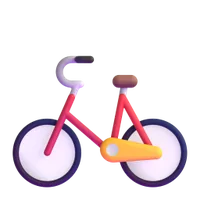 | Bicycle | साइकिल | Saaikil | |
 | Boat | नाव | Naav | |
 | Auto-rickshaw | ऑटो | Auto | |
 | Motorcycle | मोटरसाइकिल | Motarsaaikil | |
 | Scooter | स्कूटर | Skootar | |
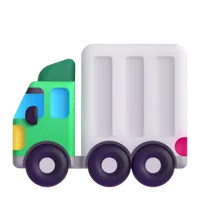 | Truck | ट्रक | Trak |
This memory game for kids is the classic card game of pairs, made for small hands. Picture cards lie face down. Your child taps one to turn it over and hears its name, then taps another to look for its twin. A match stays face up with a happy chime; two different cards turn back over after a moment. Match every pair and a marble drops into the Goli Jar. The pictures are everyday animals, fruits and vehicles, like a cow, a mango and an auto-rickshaw.
Why memory games help young children
A matching game looks simple, but it asks a lot of a young brain. Your child has to look carefully at each picture, hold it in mind after it turns back over, and plan where to tap next. Psychologists call this working memory, and it is one of the skills that help children follow instructions, learn letters and numbers, and wait their turn. India's NCF for the Foundational Stage names working memory and attention among the positive learning habits for this age, and suggests short memory games to build them.
The game also builds vocabulary. Because each card speaks its name when it turns over, your child hears "Mango, आम" or "Bus, बस" many times in a single round, without any drilling.
How to play the memory game on this page
- Tap any card. It turns over and says its name.
- Tap a second card. If the two pictures are the same, they stay up and shine. If not, both turn back after a short pause, so there is time to look.
- Keep going until every pair is found. A marble goes into the Goli Jar, and you can play again or try another mode.
The number of pairs changes with the age you set in Settings (behind a quick grown-up check):
| Age setting | Pairs | Cards on screen | What to expect |
|---|---|---|---|
| 2-3 years | 3 | 6 | Flips cards for fun; finds a pair by chance at first, then on purpose |
| 3-4 years | 4 | 8 | Starts to remember where one picture was |
| 4-5 years | 6 | 12 | Remembers several places; begins to plan |
| 5-6 years | 8 | 16 | Uses strategy; can play turn by turn with a grown-up |
Three pairs for a 2-3 year old matches what child-development research suggests for that age: memory match with 3 pairs at about 2½-3, rising to 4-6 pairs around age 4.
There is also a Listen mode with the same 30 pictures (10 animals, 10 fruits and 10 vehicles). Tap each one to hear its name in Hindi and English before you play. It helps a younger child get to know the cards first.
The अ+A button sets which language the cards speak first: Hindi then English, English then Hindi, Hindi only or English only. Settings also have calm motion, calm sound, captions and high contrast.
Memory and matching games for 3, 4 and 5 year olds
Memory games for 3 year olds
At three, the joy is in flipping. Let your child turn cards freely and say the names together: "Cow! Where's the other cow?" Play on the 2-3 setting with 3 pairs. It is fine if they tap the same card twice or forget where the cow was; the game simply turns them back over and lets them try again. Matching games for 3 year olds work best when you sit together and cheer each pair.
Memory games for 4 year olds
Matching games for 4 year olds can be a little harder, because four year olds start to remember places: "The mango was in the corner!" Encourage them to say out loud what they see, which helps memory stick. Try 4-6 pairs, and take turns: you tap two cards, then your child does. Losing a turn gracefully is a useful skill too.
Memory games for 5 year olds and 6 year olds
By five, children can use strategy: turn over a new card first, then try to match it with one they have already seen. On the 5-6 setting there are 8 pairs, which is a real challenge. Other matching games for 5 year olds include pairing letter sounds with pictures: for phonics memory games, draw a letter on one card and a picture that starts with it on another (b and ball). Memory games for 6 year olds can go further at home with a full deck of playing cards (the classic "pairs" game) or a tray game where you remove one object while they close their eyes.
More matching games on this site
Many pages here include a matching or memory mode, so your child can practise memory with a new topic each day.
- Animals and their babies: the animals and their babies page has a Babies game (match a cow with its calf) and its own memory game with the baby animals. It is the closest thing here to a farm animals and their babies matching game online.
- Animals and their homes: animals and their homes asks "Who lives here?", which works like an animals and their homes matching game.
- Shapes and colours: the shapes name and colours name pages both have a Memory mode, so you get a shapes and colors memory game in two quick rounds. Your child can also make a shapes and colors matching game at home by cutting two of each shape from coloured paper.
- Capital and small letters: capital and small letters shows a capital letter and your child finds its small letter, a gentle capital and lower case letter matching game, and a good alphabet matching game for upper and lowercase letters. For an alphabet game memory round, the ABCD page has a Memory mode with letters.
- Community helpers: the community helpers page has a Memory mode with doctors, farmers, postmen and more, so it doubles as a community helpers online matching game.
- Opposites and plants: opposite words pairs big with small and hot with cold, and parts of a plant asks your child to find the root, stem and leaf. Neither is a card game, but you can turn both into one: draw each opposite pair (hot and cold, full and empty) on two cards for an opposite words matching game (turn them face down and it becomes an opposite words memory game), or draw each part of a plant twice for a parts of a plant matching game.
Memory games at home, no screen needed
The best learning games for kids memory skills use real things. Try one of these for 5-10 minutes a day, and use this page as the treat at the end.
- Cups and toys. Hide a small toy under one of three steel glasses. Slide them around slowly. Where is it now?
- Kim's tray. Put five kitchen things on a tray: a spoon, a lemon, a bangle, a key and a coin. Your child looks, closes their eyes, and you remove one. What is missing?
- Market memory. On the way to the sabzi wala, give your child two things to remember: "tomatoes and bananas". At the shop, they tell the seller. Older children can hold four.
- Sock pairs. Laundry day is a memory game. Tip out the socks and match them together.
- Home-made cards. Print this page from your browser, or draw 6 pictures twice on card, cut them out and play pairs on the floor. There is no PDF download, but homemade cards work just as well.
Gentle tips for every child
- Praise the effort: "You remembered where the bus was!" is more useful than "clever".
- Keep rounds short. One or two rounds is enough; stop while it is still fun.
- If your child gets frustrated, lower the age setting for fewer pairs, or play together and whisper hints.
- Speech delay: the game needs no speaking at all, which makes it a relaxed way to hear new words. Say the names together when your child is ready.
- Autism and ADHD: many children love the predictable rules of pairs. Turn on calm sound and calm motion, and play at the same time each day. Talk to your paediatrician if you have concerns about attention or memory.
- Bilingual homes: set the card language to the one your child hears most, then switch after a few days.
A note on screens: children under 2 are better off playing hide-and-find with a grown-up and real toys than with any screen. For children aged 2 to 5, WHO and the Indian Academy of Paediatrics suggest no more than an hour of screen time a day, with you playing alongside. This memory game takes 2-5 minutes a round, which makes it easy to keep short.