Insects Name in English and Hindi with pictures
17 words · tap 🔊 to hear each one.
| Picture | English | Hindi | Say it | Listen |
|---|---|---|---|---|
 | Butterfly | तितली | Titli | |
 | Bee | मधुमक्खी | Madhumakkhi | |
 | Ant | चींटी | Cheenti | |
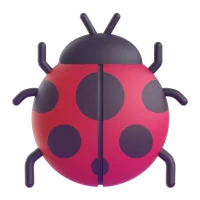 | Ladybug | लेडीबग | Ladybug | |
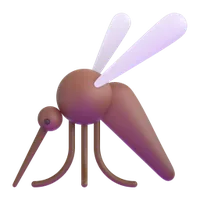 | Mosquito | मच्छर | Machchhar | |
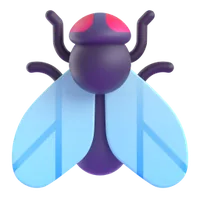 | Fly | मक्खी | Makkhi | |
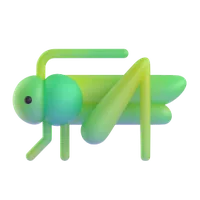 | Grasshopper | टिड्डा | Tidda | |
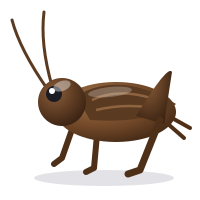 | Cricket | झींगुर | Jheengur | |
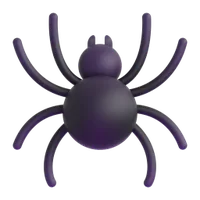 | Spider | मकड़ी | Makdi | |
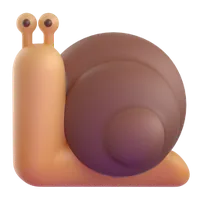 | Snail | घोंघा | Ghongha | |
 | Caterpillar | इल्ली | Illi | |
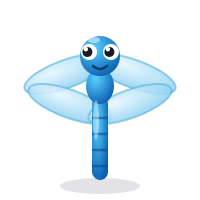 | Dragonfly | ड्रैगनफ़्लाई | Dragonfly | |
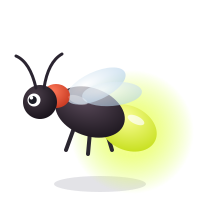 | Firefly | जुगनू | Jugnu | |
 | Beetle | भृंग | Bhring | |
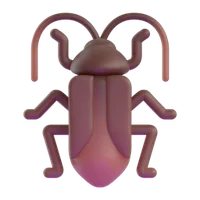 | Cockroach | तिलचट्टा | Tilchatta | |
 | Earthworm | केंचुआ | Kenchua | |
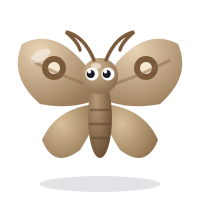 | Moth | पतंगा | Patanga |
Insects name for kids is a topic children often choose for themselves: they crouch to watch an ant line, chase a butterfly, or freeze when a bee buzzes past. This page gives that curiosity names. Your child taps a picture and hears each name in clear audio in Hindi and English, like चींटी and ant or जुगनू and firefly. There are 17 small creatures here. Fourteen are true insects, and three (the spider, snail and earthworm) are included on purpose, so you can talk about what an insect really is.
What is an insect? (A simple answer for preschoolers)
An insect is a small animal with six legs and a body in three parts: head, middle and tail end. Most insects also have two feelers on the head, and many have wings. For a three-year-old, "six legs" is enough. For a five-year-old, add "three body parts". That one rule helps children sort the list of insects names on their own.
A spider is not an insect. It has eight legs and only two body parts, so scientists put it in a different group. A snail and an earthworm are not insects either: the snail carries a shell and has no legs, and the earthworm has no legs at all. In Hindi, many people call all small creatures कीड़े-मकोड़े (kide makode), which is a friendly word for "bugs", but only some of them are insects.
What your child learns, and at what age
- Age 2-3 (toddlers): four or five names they can see, such as ant, fly, butterfly and bee, plus the buzz sound.
- Age 3-4 (nursery class): about 10 insects name in Hindi and English, and gentle rules like "we watch bees, we do not touch them".
- Age 4-5 (LKG and UKG class): 15 names, the six-legs rule, and sorting "insect" and "not an insect" with the spider, snail and earthworm.
- Age 5-6 (class 1 and class 2): all 17 names, the butterfly life cycle (egg, caterpillar, pupa, butterfly), and helpful and harmful insects. Class 3 books add insect body parts.
How to play the insect name game
There are five modes. Listen is the picture board: tap and hear. Find it asks "Where is the ladybug?" with two to four big pictures. Sounds plays a buzz or a chirp and asks who made it; the bee, mosquito, fly and cricket all have sounds. Silly? asks things like "The bee says moo!" and your child says silly or right. Memory is a pairs game.
Games never say "wrong". A wrong tap tells your child what they tapped, then the right picture glows, then Golu the marble points to it. Every game ends with a marble in the Goli Jar; tap the jar and count them together. Change your child's age in Settings (behind a grown-up check) to change the number of choices, and use the अ+A button to pick Hindi first, English first, or one language.
Types of insects for kids: a sorting table
The word list above has every picture with its English and Hindi name, pronunciation and a 🔊 button. Print this page from your browser and it becomes a neat insects name chart for kids. This table sorts the same creatures in a way children can discuss.
| Group | English | Hindi | Something to notice |
|---|---|---|---|
| Helpful insects | Bee, butterfly, ladybug, dragonfly | मधुमक्खी, तितली, लेडीबग, ड्रैगनफ़्लाई | Bees and butterflies carry pollen between flowers. |
| Busy builders | Ant, bee | चींटी, मधुमक्खी | They live together in big groups. |
| Jumpers and singers | Grasshopper, cricket | टिड्डा, झींगुर | Long back legs; crickets chirp at night. |
| Night insects | Firefly, moth, cricket | जुगनू, पतंगा, झींगुर | A firefly makes its own light. |
| Insects to keep away from food | Fly, mosquito, cockroach | मक्खी, मच्छर, तिलचट्टा | Cover food and keep water from standing. |
| Not insects | Spider, snail, earthworm | मकड़ी, घोंघा, केंचुआ | Count the legs: 8, none, none. |
5 insect names to start with
Begin with easy insects that small children meet often: ant (चींटी), butterfly (तितली), bee (मधुमक्खी), fly (मक्खी) and mosquito (मच्छर). For 10, add the grasshopper, ladybug, dragonfly, firefly and caterpillar. For 15, add the beetle, cricket, moth, cockroach and then talk about the spider.
Some insects cannot fly. Ants that work in the nest have no wings, and a caterpillar cannot fly until it becomes a butterfly. A grasshopper can fly a little but mostly jumps.
Quick question and answer practice for a nursery class: "Which insect makes honey?" (bee). "Which insect glows?" (firefly). "Which insect chirps at night?" (cricket). Tap the 🔊 buttons in the word list to check the pronunciation of each insect name before you ask.
How to teach insect names at home in 5-10 minutes
- Bug walk. In the park or on the balcony, look under a leaf or near a flower pot. Name what you see and count the legs together from a safe distance.
- Ant trail. Drop one grain of sugar near an ant line and watch the ants find it. Talk about how they work as a team.
- Butterfly garden. A pot of marigold or hibiscus on the window often brings butterflies. Watching them is the best insect name activity there is.
- Six-leg craft. Make an insect from a strip of paper folded into three parts with six paper legs. Then make a spider with eight and compare.
- Draw and name. Ask your child to draw one insect and write or trace its name in English or Hindi. Ladybugs and bees are easy to draw.
Teach kindness and safety together: we do not squash insects for fun, we do not touch bees or wasps, and we tell a grown-up if something stings.
Insects in Indian life
In the monsoon, you may see fireflies (जुगनू) blinking in villages and gardens. Honey from the मधुमक्खी is used in many Indian homes, and beekeepers help farms grow better crops because bees carry pollen. Crickets sing on warm nights. Mosquitoes breed in still water, so this is a good time to teach children to tip out water from pots and coolers with a grown-up. Around the world, children love the same insects: ladybirds in the UK and ladybugs in the US are the same small red beetle with black spots.
Explore more small creatures and nature: flowers name in Hindi and English for where butterflies feed, parts of a plant for kids, reptiles name for lizards and snakes, and environment for kids for caring for nature.
If your child is scared of bugs
Many children feel scared of insects, and that is fine. Start with the pictures on this page, then with butterflies at a distance, and never push a child to touch one. Praise brave looking: "You watched the ant so calmly." If your child gets upset in a game, go back to Listen, which has no questions. For speech delay, pointing counts; for autistic children, calm sound and calm motion in Settings can make the game feel steadier. In bilingual homes, share both names with the same picture. Keep screen time short and shared, and remember that under-twos learn more from a grown-up and a real garden than from a screen. Talk to your paediatrician if an insect bite looks swollen or you are worried.