Phonics Sounds in English and Hindi with pictures
26 words · tap 🔊 to hear each one.
| Picture | English | Hindi | Say it | Listen |
|---|---|---|---|---|
 | s... s... Sun | S से Sun | Sun | |
 | a... a... Apple | A से Apple | Apple | |
 | t... t... Tiger | T से Tiger | Tiger | |
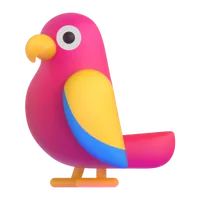 | p... p... Parrot | P से Parrot | Parrot | |
 | i... i... Insect | I से Insect | Insect | |
 | n... n... Nest | N से Nest | Nest | |
 | m... m... Mango | M से Mango | Mango | |
 | d... d... Dog | D से Dog | Dog | |
 | g... g... Grapes | G से Grapes | Grapes | |
 | o... o... Octopus | O से Octopus | Octopus | |
 | c... c... Cat | C से Cat | Cat | |
 | k... k... Kite | K से Kite | Kite | |
 | e... e... Elephant | E से Elephant | Elephant | |
 | u... u... Umbrella | U से Umbrella | Umbrella | |
 | r... r... Rabbit | R से Rabbit | Rabbit | |
 | h... h... House | H से House | House | |
 | b... b... Ball | B से Ball | Ball | |
 | f... f... Fish | F से Fish | Fish | |
 | l... l... Lion | L से Lion | Lion | |
 | j... j... Jellyfish | J से Jellyfish | Jellyfish | |
 | v... v... Violin | V से Violin | Violin | |
 | w... w... Watermelon | W से Watermelon | Watermelon | |
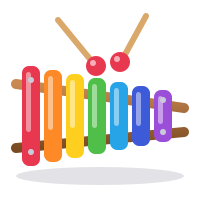 | x... x... Xylophone | X से Xylophone | Xylophone | |
 | y... y... Yo-yo | Y से Yo-yo | Yo-yo | |
 | z... z... Zebra | Z से Zebra | Zebra | |
 | q... q... Queen | Q से Queen | Queen |
Phonics sounds are the sounds that letters make inside words: the /s/ in sun, the /a/ in apple, the /t/ in tiger. Your child needs these letter sounds, not just letter names, to read. On this page your child taps a letter, hears it with a picture word, and then plays a game to find letters by their word. The letters appear in the order many schools use for synthetic phonics, starting with s, a, t, p, i, n.
What is phonics for kids? (phonics sounds kya hota hai)
Phonics is a way of teaching reading by linking each letter, or group of letters, to the sound it makes. Here is a simple way to explain phonics to a child: "Letters have names, like we have names. But when they are in a word, they make a sound. The letter called 'ess' says /s/, like a snake: sssss."
Keep the difference between letter names and letter sounds clear in your own mind:
| Letter | Letter name | Phonics sound | Picture word |
|---|---|---|---|
| s | "ess" | /s/ (a hissing sound, no "uh" after it) | Sun |
| a | "ay" | /a/ as in apple (short) | Apple |
| c | "see" | /k/ as in cat | Cat |
| h | "aitch" | /h/, a soft breath | House |
| w | "double-u" | /w/, lips make a round circle | Watermelon |
| x | "ex" | /ks/, as at the end of box (at the start of Xylophone it sounds like /z/) | Xylophone |
| q | "kyoo" | /kw/, almost always with u | Queen |
Synthetic phonics, the method used in UK schools and many Indian CBSE and ICSE schools, teaches a few sounds at a time and then asks children to blend them into words straight away: /s/ /a/ /t/ makes "sat". That is why the order matters.
The best letter sounds to teach first: s, a, t, p, i, n
Teaching A to Z in alphabet order is slow for reading, because a child who knows a, b, c, d, e can build very few words. With s, a, t, p, i, n your child can already read dozens: sat, pat, tap, pin, tin, nap, sip, pit, ant, pan. This page follows that sequence:
| Group | Letters | Words your child can read after this group |
|---|---|---|
| 1 | s a t p i n | sat, pat, tap, pin, tin, nap, ant, pan |
| 2 | m d g o c k | mat, dog, cat, pot, kid, man |
| 3 | e u r h b f l | hen, sun, red, bus, fan, leg, bed |
| 4 | j v w x y z q | jam, van, web, box, yes, zip, quiz |
Most children learn about two to four new sounds a week, with lots of revision. Five-year-olds in UKG or class 1 often know 18-24 sounds; three-year-olds need only play with sounds and rhymes.
How to use this phonics game
Listen
Each card shows the capital and small letter with a picture. Tap it and the clear audio says the letter twice and then the word, for example "s... s... Sun"; in Hindi it says "S से Sun". A computer voice may say the letter's name rather than its pure sound, so sit with your child and say the pure sound yourself after each tap: "/s/, /s/, sun". That shared moment is where the learning happens.
Find it
Golu asks for a picture word and your child taps the right card. Wrong taps never hear "wrong"; the game names what was tapped, makes the right card glow and then points to it. At the end, a marble drops into the Goli Jar.
Settings
Use the अ+A button to hear English only while you focus on English phonics sounds. In Settings (behind a grown-up check), set your child's age so a 3-year-old sees fewer choices than a 6-year-old, and turn on calm sound or captions if you like. Progress is saved on your device.
How to teach letter sounds at home, step by step
- Listen for sounds first (age 2-4). Play "What sound do you hear?" with animals, the pressure cooker whistle and the doorbell. Clap syllables: ट-मा-टर, ba-na-na. This phonological play comes before letters.
- Say pure sounds. Say /m/ as "mmm", not "muh". Say /s/ as "sss", not "suh". Adding "uh" makes blending hard: "suh-a-tuh" does not sound like "sat".
- One sound, one action, one picture. For /s/, wiggle your hand like a snake; for /a/, pretend ants crawl up your arm; for /t/, turn your head side to side like watching tennis. Make up your own actions together.
- First-sound games. "I spy something that starts with /p/... pen! plate! papa!" Keep it to sounds, not letter names.
- Blend early. Once your child knows s, a, t, p, say "/s/ /a/ /t/... sat!" and let them join in. Then try the three letter words game, which has a "Sound it out" button.
- Review daily for 5-10 minutes. Short, regular practice works better than long lessons. Tap five cards here, then find those sounds around the house.
Kitchen phonics: hold up a spoon, a tomato, a potato and a knife. Ask "Which one starts with /t/?" Then turn it around: "Can you find something that starts with /s/?" Salt, sugar, spoon!
Tricky sounds for Indian children (b/d, v/w and more)
Hindi and other Indian languages have sounds that English does not, and the reverse is also true. These are the common confusions and how to handle them:
- v and w. Hindi uses one sound (व) where English has two. For /v/, top teeth rest on the lower lip and the lip buzzes (van, violin). For /w/, lips make a small round circle and open (web, watermelon). Let your child look in a mirror.
- b and d. The sounds are easy; the shapes get flipped. Use the "bed" trick with two thumbs-up fists. Mirror writing is normal until about 7.
- t and d. English /t/ and /d/ are made with the tongue on the ridge behind the teeth, a little different from Hindi ट and त. Do not worry about accent at this age; clear, consistent sounds are enough.
- Short vowels. /a/ (apple), /e/ (egg), /i/ (insect), /o/ (octopus), /u/ (umbrella) sound close together. Practise them with the vowels page.
- c and k. Both say /k/ in cat and kite. Tell your child "they are sound twins".
- x. The letter x usually says /ks/ at the end of a word (box, fox), not at the start.
Letter sounds for toddlers, preschoolers and kindergarten
For toddlers (2-3): no letters yet. Sing rhymes, make animal sounds, and notice sounds around you. Try our rhyming words game later.
For preschoolers and nursery (3-4): enjoy first sounds of familiar words, especially their own name ("/r/ for Riya"). A few letter sounds is plenty.
For LKG and kindergarten (4-5): learn the s a t p i n group and the next few groups; start oral blending.
For UKG and class 1 (5-6): know most single-letter sounds, blend CVC words, and begin to learn sounds like sh, ch and th. Knowing all the phonics sounds of alphabets from a to z is a good goal by the end of UKG.
Phonics sounds chart with pictures
The word list above works as a letter sounds chart: each letter, its picture word, the Hindi word and a sound button. Print this page from your browser and put it at your child's eye level. Point and say the pure sounds together each morning. You can also cover the letters and play "What sound does this picture start with?" as a simple worksheet.
More phonics games and letter sounds activities
These free phonics games for kids online are only one part of the picture. Mix them with quick offline ideas:
- Sound basket (nursery): put five toys in a basket and pull them out one by one, saying the first sound. This is an easy letter sounds activity for beginners.
- Sound hop (kindergarten): chalk letters on the floor, call a sound, and your child hops to it. It is one of the best letter sounds games for kindergarten because it gets the body moving.
- Sticky notes (class 1): label things at home with their first letter. A class 1 child can then read the whole word.
- Home worksheets: draw three pictures and three letters and let your child join each picture to its first sound. That is all most phonics worksheets for kids really are.
Two letters need special care when you learn letter sounds in English. For x, show the /ks/ sound at the end of "box" and "fox". For q, teach "qu" together as /kw/, as in queen and quick.
If your child is struggling with letter sounds
Go back to fewer sounds and more play. Choose three sounds, use them for a week, and celebrate small wins: "You heard the /m/ in mango!" Praise effort, not perfect answers. If your child gets frustrated, stop, have a snack, and try again tomorrow.
For children with a speech delay, it is fine to point instead of saying the sound. Autistic children may like the predictable Listen mode; turn on calm sound and fewer choices. In bilingual homes, children often mix Hindi and English sounds for a while; this is normal. If your child finds it hard to hear any sounds or rhymes by age 5, or you have other concerns about hearing or speech, talk to your paediatrician.
Screen time: under 2, real objects and your voice teach far better than a screen. From 2-5, keep sessions short and play together, and keep total screen time to about an hour a day.