Animals and Their Homes in English and Hindi with pictures
67 words · tap 🔊 to hear each one.
| Picture | English | Hindi | Say it | Listen |
|---|---|---|---|---|
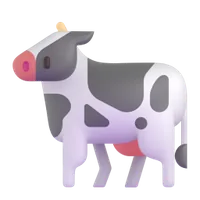 | The cow lives in a shed. | गाय का घर है गौशाला। | Gaay | |
 | The bull lives in a shed. | बैल का घर है गौशाला। | Bail | |
 | The buffalo lives in a shed. | भैंस का घर है तबेला। | Bhains | |
 | The goat lives in a pen. | बकरी का घर है बाड़ा। | Bakri | |
 | The sheep lives in a fold. | भेड़ का घर है बाड़ा। | Bhed | |
 | The horse lives in a stable. | घोड़ा का घर है अस्तबल। | Ghoda | |
 | The donkey lives in a stable. | गधा का घर है अस्तबल। | Gadha | |
 | The camel lives in a desert. | ऊँट का घर है रेगिस्तान। | Oont | |
 | The pig lives in a sty. | सूअर का घर है बाड़ा। | Suar | |
 | The dog lives in a kennel. | कुत्ता का घर है कुत्ताघर। | Kutta | |
 | The cat lives in a house. | बिल्ली का घर है घर। | Billi | |
 | The rabbit lives in a burrow. | खरगोश का घर है बिल। | Khargosh | |
 | The hamster lives in a cage. | हैम्स्टर का घर है पिंजरा। | Hamster | |
 | The mouse lives in a hole. | चूहा का घर है बिल। | Chooha | |
 | The elephant lives in a forest. | हाथी का घर है जंगल। | Haathi | |
 | The lion lives in a den. | शेर का घर है माँद। | Sher | |
 | The tiger lives in a den. | बाघ का घर है माँद। | Baagh | |
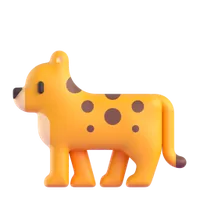 | The leopard lives in a forest. | तेंदुआ का घर है जंगल। | Tendua | |
 | The bear lives in a cave. | भालू का घर है गुफ़ा। | Bhaalu | |
 | The monkey lives in a tree. | बंदर का घर है पेड़। | Bandar | |
 | The gorilla lives in a forest. | गोरिल्ला का घर है जंगल। | Gorilla | |
 | The orangutan lives in a tree nest. | ओरांगउटान का घर है पेड़ पर घोंसला। | Orangutan | |
 | The deer lives in a forest. | हिरण का घर है जंगल। | Hiran | |
 | The zebra lives in a grassland. | ज़ेबरा का घर है घास का मैदान। | Zebra | |
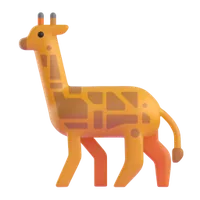 | The giraffe lives in a grassland. | जिराफ़ का घर है घास का मैदान। | Jiraaf | |
 | The hippo lives in a river. | दरियाई घोड़ा का घर है नदी। | Dariyaai Ghoda | |
 | The rhino lives in a grassland. | गैंडा का घर है घास का मैदान। | Gainda | |
 | The fox lives in a den. | लोमड़ी का घर है माँद। | Lomdi | |
 | The wolf lives in a den. | भेड़िया का घर है माँद। | Bhediya | |
 | The hedgehog lives in a burrow. | हेजहॉग का घर है बिल। | Hedgehog | |
 | The kangaroo lives in a grassland. | कंगारू का घर है घास का मैदान। | Kangaroo | |
 | The koala lives in a tree. | कोआला का घर है पेड़। | Koala | |
 | The panda lives in a bamboo forest. | पांडा का घर है बाँस का जंगल। | Panda | |
 | The polar bear lives in a snow den. | ध्रुवीय भालू का घर है बर्फ़ की माँद। | Dhruviya Bhaalu | |
 | The sloth lives in a tree. | स्लॉथ का घर है पेड़। | Sloth | |
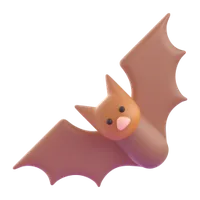 | The bat lives in a cave. | चमगादड़ का घर है गुफ़ा। | Chamgaadad | |
 | The wild boar lives in a forest. | जंगली सूअर का घर है जंगल। | Jangli Suar | |
 | The indian bison lives in a forest. | गौर का घर है जंगल। | Gaur | |
 | The rat lives in a hole. | बड़ा चूहा का घर है बिल। | Bada Chooha | |
 | The fish lives in a water. | मछली का घर है पानी। | Machhli | |
 | The goldfish lives in a fish tank. | सुनहरी मछली का घर है मछलीघर। | Sunahri Machhli | |
 | The frog lives in a pond. | मेंढक का घर है तालाब। | Mendhak | |
 | The whale lives in a sea. | व्हेल का घर है समुद्र। | Whale | |
 | The dolphin lives in a sea. | डॉल्फ़िन का घर है समुद्र। | Dolphin | |
 | The shark lives in a sea. | शार्क का घर है समुद्र। | Shark | |
 | The octopus lives in a sea. | ऑक्टोपस का घर है समुद्र। | Octopus | |
 | The crab lives in a beach. | केकड़ा का घर है समुद्र तट। | Kekda | |
 | The prawn lives in a water. | झींगा का घर है पानी। | Jheenga | |
 | The squid lives in a sea. | स्क्विड का घर है समुद्र। | Squid | |
 | The seal lives in a sea. | सील का घर है समुद्र। | Seal | |
 | The jellyfish lives in a sea. | जेलीफ़िश का घर है समुद्र। | Jellyfish | |
 | The pufferfish lives in a sea. | पफ़र मछली का घर है समुद्र। | Puffer Machhli | |
 | The otter lives in a river. | ऊदबिलाव का घर है नदी। | Oodbilaav | |
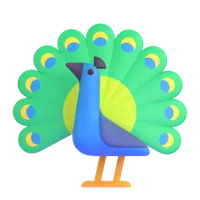 | The peacock lives in a forest. | मोर का घर है जंगल। | Mor | |
 | The parrot lives in a tree hole. | तोता का घर है पेड़ का खोखला। | Tota | |
 | The hen lives in a coop. | मुर्गी का घर है दड़बा। | Murgi | |
 | The rooster lives in a coop. | मुर्गा का घर है दड़बा। | Murga | |
 | The chick lives in a coop. | चूज़ा का घर है दड़बा। | Choozaa | |
 | The duck lives in a pond. | बत्तख का घर है तालाब। | Battakh | |
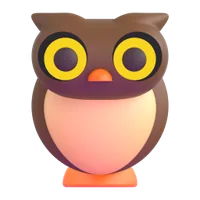 | The owl lives in a tree hole. | उल्लू का घर है पेड़ का खोखला। | Ullu | |
 | The eagle lives in a nest. | गरुड़ का घर है घोंसला। | Garud | |
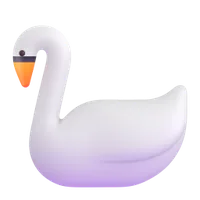 | The swan lives in a nest. | हंस का घर है घोंसला। | Hans | |
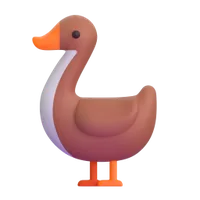 | The goose lives in a nest. | कलहंस का घर है घोंसला। | Kalhans | |
 | The flamingo lives in a mud nest. | राजहंस का घर है मिट्टी का घोंसला। | Raajhans | |
 | The penguin lives in a ice. | पेंगुइन का घर है बर्फ़। | Penguin | |
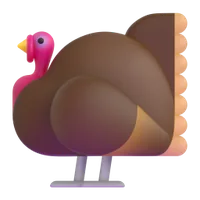 | The turkey lives in a farm. | टर्की का घर है खेत। | Turkey | |
 | The dove lives in a nest. | फ़ाख़्ता का घर है घोंसला। | Faakhta |
Animals and their homes is one of the first science ideas a small child meets: every animal needs a safe place to sleep, rest and keep its babies. This page turns that idea into a gentle game. Your child taps a picture and hears where the animal lives in clear audio, first in one language and then the other, so a cow becomes "गाय का घर है गौशाला" and "The cow lives in a shed". There are about 69 animals and birds with pictures here, from the farm, the jungle, the sea and the sky, and every home is spoken in both Hindi and English.
What your child learns about animal homes, and at what age
Children do not learn this topic as a list. They learn it by linking a picture they know (a dog) with a place they can imagine (a kennel). Here is what is realistic at each age.
- Age 2-3: names of a few familiar animals and one or two homes they can see, such as a bird's nest or a cow's shed. For toddlers, the Listen board is enough. Toddlers enjoy hearing easy animals say where their homes are.
- Age 3-4 (nursery and pre-school): the idea that different animals live in different places, and simple pairs like hen and coop, fish and water, monkey and tree. In nursery, a preschool teacher can show farm animals and their homes one pair at a time.
- Age 4-5 (LKG and UKG): matching ten to fifteen animals with their homes, sorting animals into farm, jungle and water, and saying a full sentence: "A lion lives in a den." A matching game or a match the following sheet of animals and their homes suits kindergarten well.
- Age 5-6 (class 1 and grade 1): naming the home in two languages, explaining why an animal lives there ("the fish needs water to breathe"), and early class 2 ideas such as animals that build their homes.
- Class 3 and up: older siblings can use the same pictures to write the names of animals and their homes in English and Hindi.
How to use the animal homes game
The play zone has two modes. Listen is a picture board: tap any animal and it says where it lives. Homes is the matching game. Golu, our friendly glass marble, asks "Who lives in a den?" or "माँद किसका घर है?" and your child picks an animal from two to four big pictures. The number of choices follows the age you set in Settings, which sits behind a quick grown-up check.
The game never says "wrong". If your child taps another animal, they hear that animal's name, then the right answer glows, and then Golu points at it. These games treat animals and their homes like a friendly puzzle, not a test. Each round ends with a marble dropping into the Goli Jar. Tap the jar together and count the marbles out loud. Progress stays on your device; there is no sign-up and no login. It is a free online game about animals and their homes, so you can play again any time.
Use the अ+A button at the top to choose Hindi then English, English then Hindi, or one language only. In a Hindi-medium school, start with Hindi; for an English-medium class 1, flip it.
List of animals and their homes by group
The full word list with pictures and 🔊 buttons is in the grown-ups section above. This smaller table groups the same homes so you can talk about types of homes rather than single words. It works well as a chart for kids on the fridge if you print this page.
| Group | Examples from the game | Home in English | Home in Hindi |
|---|---|---|---|
| Farm and domestic animals | Cow, buffalo, horse, goat, sheep, pig | Shed, stable, pen, fold, sty | गौशाला, तबेला, अस्तबल, बाड़ा |
| Pets | Dog, cat, goldfish | Kennel, house, fish tank | कुत्ताघर, घर, मछलीघर |
| Jungle animals | Lion, tiger, fox, bear, bat | Den, cave | माँद, गुफ़ा |
| Animals under the ground | Rabbit, mongoose, porcupine, mouse | Burrow, hole | बिल |
| Tree dwellers | Monkey, squirrel, koala, owl, parrot | Tree, tree hole | पेड़, पेड़ का खोखला |
| Grassland animals | Zebra, giraffe, rhino, kangaroo | Grassland | घास का मैदान |
| Water animals | Fish, frog, dolphin, whale, hippo | Sea, pond, river | समुद्र, तालाब, नदी |
| Birds | Sparrow, crow, hen, duck | Nest, coop, pond | घोंसला, दड़बा, तालाब |
5 animals and their homes for kids to start with
If your child is new to the idea, begin with five pairs they can actually see or picture: the bird and its nest, the cow and its shed, the dog and its kennel, the fish and water, and the lion and its den. Once these feel easy, add the rabbit and its burrow, the horse and its stable, and the monkey in its tree.
Some examples of animals and their homes from the game that children like: the goat lives in a pen, the tiger lives in a den, and the zebra lives on the grassland. Types of homes include nests, dens, burrows, caves, sheds and water.
How to teach animals and their homes at home
Five to ten minutes a day is plenty. Play one round on the screen, then take the idea into the real world, where the learning sticks.
- Nest spotting. On a morning walk, look up at trees, balconies and electric poles. Sparrows, pigeons and crows build nests close to people in Indian cities. Say "घोंसला, nest" each time you find one, and look from a distance so the birds are not disturbed.
- Build a home. Make a small project for kids with a shoebox: a cave for a toy bear, a stable for a toy horse, a pond from a blue plate. This makes a simple animals and their homes model with no special material. It is an easy project for kids about animals and their homes.
- Match the following, on the floor. Put five toy animals on one side and five paper homes (drawn on cards) on the other. Your child walks each animal home. It is a hands-on matching game and a handy TLM for teachers. Teachers can make this animals TLM once and reuse their homes cards all year.
- Sorting baskets. Label three baskets "farm", "jungle" and "water" and sort picture cards or toys into them.
- Drawing time. Ask your child to draw an animal with its home. An owl in a tree hole or a fish in a pond are easy drawings for kids, and colouring them keeps little hands busy after the game. An easy drawing activity: draw two animals, then draw their homes in colour.
Teaching tip for class 1 and class 2: move from "where" to "why". The camel lives in the desert because it can go many days without water; the polar bear lives in snow because its thick fur keeps it warm.
Which animals build their homes, and which carry them?
This is a favourite gk question for children aged 5-6, and it opens up wonderful talk. Birds build nests from twigs, grass and even thread. The weaver bird, common in Indian villages, weaves a hanging nest. Rabbits, mongooses and porcupines dig burrows, so these are animals that build their homes underground. Ants and bees are tiny builders too: ants dig tunnels and bees make a honeycomb from wax. Some animals carry their homes with them: the snail and the turtle have shells on their backs. Monkeys, squirrels, koalas and many birds make their homes in trees, which is a good reason to talk about why we should protect trees. Many animals lose their homes when forests are cut, so planting a tree is a small, kind thing a family can do.
Worksheet, chart and printable ideas
There is no PDF download on this site, but you do not need one. Print this page from your browser: the word list with pictures prints cleanly and works as an animals and their homes chart with pictures. Cut the rows apart to make your own matching worksheet, or cover the home column and ask your child to say it. For a UKG or LKG class, a teacher can project the Homes game and let children take turns tapping.
For a free printable question and answer sheet, write five questions such as "Where does a hen live?" and let your child answer by pointing to the printed picture. Children who cannot write yet can still show what they know. A pets activity works too: ask where your pets or your neighbour's pets have their homes.
Quick gk questions and answers to say aloud: Which animals sleep in a den? (lion, tiger, fox.) Which domestic animals have their homes in a shed? (cow, bull.) Which jungle animals have their homes in trees? (monkey, squirrel.) What is the name in Hindi for a nest? घोंसला.
Animal homes in India and around the world
Indian children see many of these homes every day. A buffalo rests in a तबेला, a goat in a बाड़ा, and pigeons nest on window ledges. In Rajasthan the camel lives in the desert; in Ladakh the yak lives in the mountains. In the forests of Assam and the Sundarbans, tigers and elephants roam. Around the world, the polar bear lives in a snow den in the Arctic, the kangaroo on Australian grassland and the panda in a bamboo forest in China. Zoo animals live in enclosures made to look like their real homes, which is a nice thing to point out on a zoo trip.
Want more? Try animals and their babies for young ones, wild animals name in Hindi for the jungle, domestic animals name for the farm, and birds name in Hindi and English.
Go slowly: tips for every child
Praise the effort, not the score: "You found the den!" matters more than getting ten right. If your child gets frustrated, go back to Listen mode, which has no questions at all. For a child with speech delay, pointing counts as an answer; say the home name for them and wait. Autistic children often enjoy the predictable Listen board, and calm sound and calm motion in Settings can help. In bilingual homes, let each parent use their own language with the same pictures.
Keep screen time short and shared. Sit with your child, play for a few minutes, then look for real nests and holes outside. Children under two learn more from a grown-up and real objects than from any screen. If you are worried about your child's speech or learning, talk to your paediatrician.