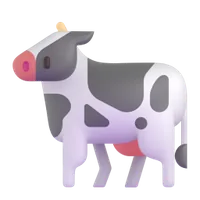
Desert Animals for Kids in English and Hindi with pictures
13 words · tap 🔊 to hear each one.
| Picture | English | Hindi | Say it | Listen |
|---|---|---|---|---|
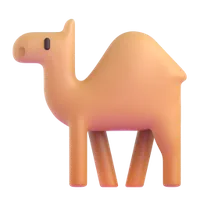 | Camel. A camel can walk for days without drinking water. | ऊँट। ऊँट कई दिन बिना पानी पिए चल सकता है। | ||
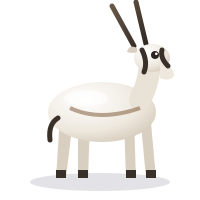 | Arabian oryx. The oryx has long straight horns and a white coat. | अरबी ओरिक्स। ओरिक्स के लंबे सीधे सींग और सफ़ेद शरीर होता है। | ||
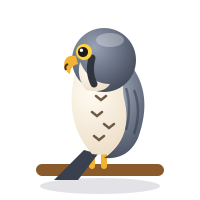 | Falcon. A falcon flies very fast and sees very far. | बाज़। बाज़ बहुत तेज़ उड़ता है और बहुत दूर तक देखता है। | ||
 | Fennec fox. The fennec fox has big ears to keep cool. | फ़ेनेक लोमड़ी। फ़ेनेक लोमड़ी के बड़े कान उसे ठंडा रखते हैं। | ||
 | Spiny-tailed lizard. This lizard warms up in the morning sun. | सांडा छिपकली। यह छिपकली सुबह की धूप में गर्म होती है। | ||
 | Sand snake. This snake hides under the sand. We look from far away. | रेत का साँप। यह साँप रेत में छिपता है। हम उसे दूर से देखते हैं। | ||
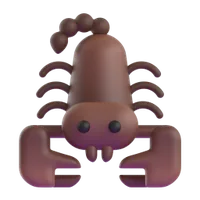 | Scorpion. A scorpion comes out at night. We never touch it. | बिच्छू। बिच्छू रात को बाहर आता है। हम उसे कभी नहीं छूते। | ||
 | Jerboa. The jerboa hops on its long back legs. | जर्बोआ चूहा। जर्बोआ अपने लंबे पिछले पैरों पर उछलता है। | ||
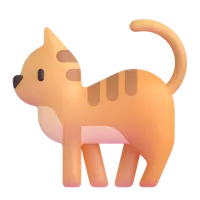 | Sand cat. The sand cat has furry feet for hot sand. | रेगिस्तानी बिल्ली। रेगिस्तानी बिल्ली के पैरों में गर्म रेत के लिए बाल होते हैं। | ||
 | Desert tortoise. The tortoise digs a burrow to stay cool. | रेगिस्तानी कछुआ। कछुआ ठंडक के लिए बिल खोदता है। | ||
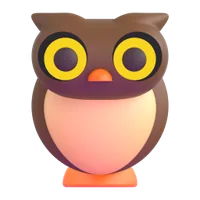 | Desert owl. The owl hunts at night when the desert is cool. | रेगिस्तानी उल्लू। उल्लू रात को शिकार करता है, जब रेगिस्तान ठंडा होता है। | ||
 | Desert hedgehog. The hedgehog curls into a spiky ball. | रेगिस्तानी साही। साही काँटेदार गेंद जैसा गोल हो जाता है। | ||
 | Dung beetle. The dung beetle rolls a little ball. | गोबर भृंग। गोबर भृंग एक छोटी गेंद लुढ़काता है। |
Desert animals for kids are a wonderful way to talk about heat, sand, water and clever bodies. This page shows your child 13 animals that live in hot deserts, from the camel and the Arabian oryx to the tiny jerboa and the dung beetle. Tap an animal and a clear voice says its name and one short fact, such as "The fennec fox has big ears to keep cool." and "फ़ेनेक लोमड़ी के बड़े कान उसे ठंडा रखते हैं।" Every animal is spoken in Hindi and English.
What your child learns about animals that live in the desert
A desert is a place with very little rain. Days can be very hot and nights can be cold. Animals that live in the desert have special ways to stay cool and find water. Here your child learns:
- 13 desert animals names: camel, Arabian oryx, falcon, fennec fox, spiny-tailed lizard, sand snake, scorpion, jerboa, sand cat, desert tortoise, desert owl, desert hedgehog and dung beetle.
- One simple fact for each: big ears, furry feet, burrows, night-time hunting and more.
- Habitat thinking: in the Desert or not? mode, your child learns that a polar bear or a whale does not live in the desert.
- Safety: the voice says that we look at snakes from far away and never touch a scorpion.
How to play the desert animals game
- Learn: 13 animal pictures. Tap one to hear its name and fact in Hindi and English.
- Find it: Golu asks "Where is the camel?" and your child taps the right animal from a small set.
- Desert or not? Your child sees a desert animal mixed with animals from snow, sea or forest (polar bear, penguin, whale, dolphin, octopus, seal, frog or panda) and taps the one that lives in the desert.
Nothing here says "wrong". A different tap gets the name of the animal your child chose, then a glow on the right answer, then Golu, our glass marble mascot, points to it. Each game adds a marble to the Goli Jar, saved on your device. The अ+A button sets the language order. In the grown-up settings you choose your child's age band, which changes how many choices and rounds appear, and you can switch on calm motion, fewer choices and captions.
Desert animals list with Hindi names and facts
Every animal in the game, with the exact fact your child hears. Print this page from your browser to use it as a desert animals chart.
| Animal | In Hindi | What your child hears |
|---|---|---|
| Camel | ऊँट | It can walk for days without drinking water. |
| Arabian oryx | अरबी ओरिक्स | It has long straight horns and a white coat. |
| Falcon | बाज़ | It flies very fast and sees very far. |
| Fennec fox | फ़ेनेक लोमड़ी | It has big ears to keep cool. |
| Spiny-tailed lizard | सांडा छिपकली | It warms up in the morning sun. |
| Sand snake | रेत का साँप | It hides under the sand. We look from far away. |
| Scorpion | बिच्छू | It comes out at night. We never touch it. |
| Jerboa | जर्बोआ चूहा | It hops on its long back legs. |
| Sand cat | रेगिस्तानी बिल्ली | It has furry feet for hot sand. |
| Desert tortoise | रेगिस्तानी कछुआ | It digs a burrow to stay cool. |
| Desert owl | रेगिस्तानी उल्लू | It hunts at night when the desert is cool. |
| Desert hedgehog | रेगिस्तानी साही | It curls into a spiky ball. |
| Dung beetle | गोबर भृंग | It rolls a little ball. |
How do desert animals survive the heat?
Children love a "why" question. You can explain desert animals and their adaptations in very simple words:
- Big ears let heat out: the fennec fox loses heat through its huge ears.
- Furry feet: the sand cat walks on hot sand without burning its paws.
- Going underground: the tortoise digs a burrow and the sand snake hides under the sand.
- Coming out at night: the owl, the scorpion and many small animals are busy when the desert is cool.
- Saving water: the camel can go for days without drinking.
What is inside a camel's hump?
Many grown-ups think the hump holds water. It does not. A camel's hump stores fat, which the camel's body can use for energy when food is hard to find. Camels cope without water because their bodies waste very little of it. This is also why people call the camel the "ship of the desert": it carries people and goods across long stretches of sand.
Desert animals in India, the UAE and around the world
Deserts are part of many children's lives. In India, the Thar desert in Rajasthan is home to camels, spiny-tailed lizards (सांडा), desert foxes and falcons; a family trip to Jaisalmer or Bikaner often includes a camel ride. The Arabian desert stretches across the UAE, Saudi Arabia, Oman and nearby countries. The Arabian oryx and the falcon are much loved there, so this page works well for KG1 and KG2 classes in the Gulf, and the Hindi and English audio helps the many Indian families living there. The Sahara in North Africa is the biggest hot desert in the world and is where the fennec fox lives.
Scorpions and snakes are part of desert life. Teach your child the rule the game uses: we watch them from far away and we never touch them. If your child sees one, they should step back and call a grown-up.
Desert animals for preschool, KG1, KG2 and class 1
| Age | What is realistic | Try this |
|---|---|---|
| 3-4 years (nursery, KG1) | Names 4-5 animals: camel, owl, snake, fox, tortoise | Learn mode. Copy the animals: hop like a jerboa, curl like a hedgehog. |
| 4-5 years (LKG, KG2) | Knows the desert is hot and dry; sorts desert and not-desert animals | Desert or not? with two or three choices. |
| 5-6 years (UKG, class 1) | Explains one way an animal stays cool; names most of the 13 | Find it, then talk about the adaptations above. |
Desert animals activity ideas for 5-10 minutes a day
- Sand tray desert: fill a tray with sand or semolina and hide small toy animals. Your child digs them out like a tortoise in its burrow.
- Hot and cool sort: make two piles of toy or paper animals, "desert" and "snow and sea", just like the Desert or not? game.
- Day and night: ask "Who comes out at night?" and let your child name the owl and the scorpion.
- Draw a desert animals worksheet: draw dunes, a sun and a cactus, and let your child add one animal. Write its name in Hindi and English.
Tips for every child
Praise curiosity: "Good question! Why does the fox have big ears?" If your child is scared of snakes or scorpions, skip those pictures and come back later; the game is gentle and never shows anything frightening. For children with speech delay or autism, the repeated short facts and fewer choices in settings help. Keep sessions short and play together. Children under 2 learn more from a grown-up and real toys than from a screen.
Explore more with wild animals name, learn where animals live with animals and their homes, meet lizards, snakes and tortoises in reptiles name, and find beetles in insects name.