Body parts in Kannada: word list with pictures
30 words · tap 🔊 to hear each one in Kannada.
| Picture | English | Kannada | Say it | Listen |
|---|---|---|---|---|
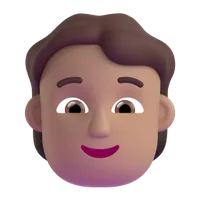 | Head | ತಲೆ | tale | |
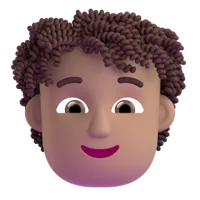 | Hair | ಕೂದಲು | kuudalu | |
 | Face | ಮುಖ | mukha | |
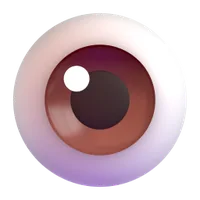 | Eye | ಕಣ್ಣು | kannu | |
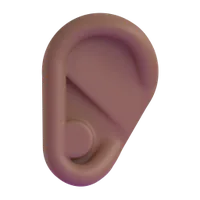 | Ear | ಕಿವಿ | kivi | |
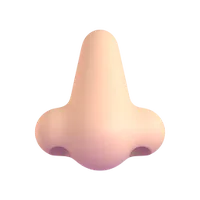 | Nose | ಮೂಗು | muugu | |
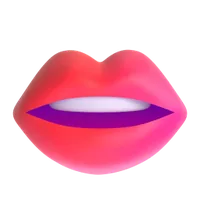 | Mouth | ಬಾಯಿ | baayi | |
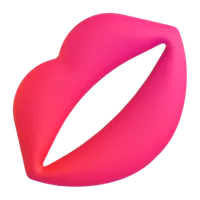 | Lips | ತುಟಿ | tuti | |
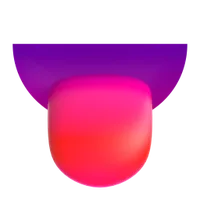 | Tongue | ನಾಲಿಗೆ | naalige | |
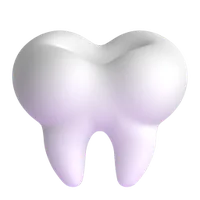 | Teeth | ಹಲ್ಲು | hallu | |
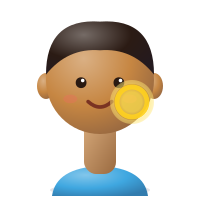 | Cheek | ಕೆನ್ನೆ | kenne | |
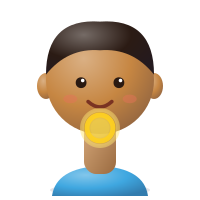 | Chin | ಗಲ್ಲ | galla | |
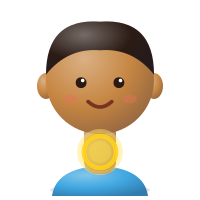 | Neck | ಕತ್ತು | kattu | |
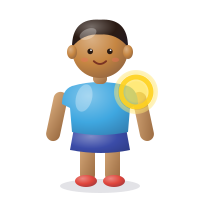 | Shoulder | ಭುಜ | bhuja | |
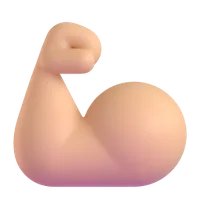 | Arm | ತೋಳು | toolu | |
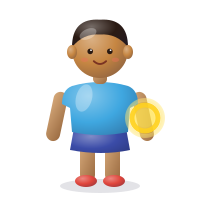 | Elbow | ಮೊಣಕೈ | monakai | |
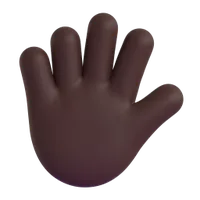 | Hand | ಕೈ | kai | |
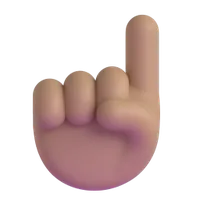 | Finger | ಬೆರಳು | beralu | |
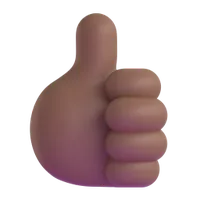 | Thumb | ಹೆಬ್ಬೆರಳು | hebberalu | |
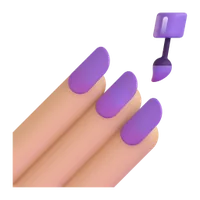 | Nail | ಉಗುರು | uguru | |
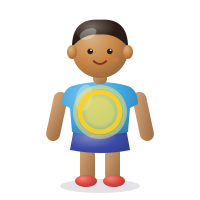 | Tummy | ಹೊಟ್ಟೆ | hotte | |
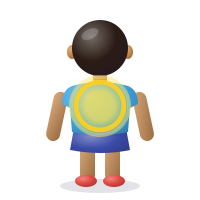 | Back | ಬೆನ್ನು | bennu | |
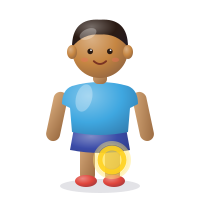 | Knee | ಮಂಡಿ | mandi | |
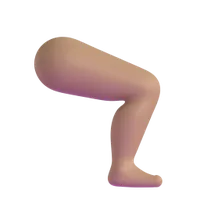 | Leg | ಕಾಲು | kaalu | |
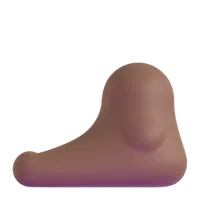 | Foot | ಪಾದ | paada | |
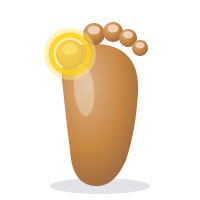 | Toe | ಕಾಲ್ಬೆರಳು | kaalberalu | |
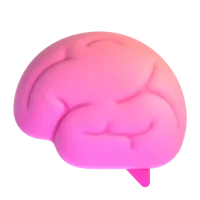 | Brain | ಮೆದುಳು | medulu | |
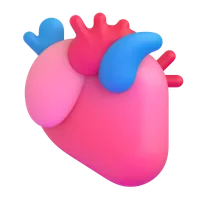 | Heart | ಹೃದಯ | hrudaya | |
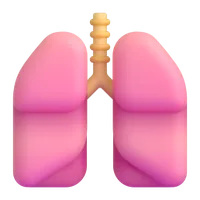 | Lungs | ಶ್ವಾಸಕೋಶ | shvaasakoosha | |
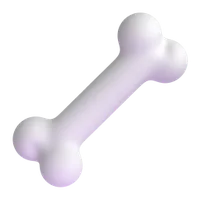 | Bones | ಮೂಳೆಗಳು | muulegalu |
Body parts in Kannada are some of the first words a baby hears: "ಕಣ್ಣು ಎಲ್ಲಿ?" (where are your eyes?) is a game played in almost every Kannada home. This page has 30 body parts with a picture each. Tap a picture to hear the Kannada word and the English, for example ಕೈ (kai, hand) or ಮೂಗು (muugu, nose). Then play Find it, where Golu names a body part in Kannada and your child taps the picture, or Memory to match pairs.
Which body parts are in the game
The word list above has every body part with its picture, English name, Kannada word and a pronunciation guide. They fall into three friendly groups:
- Face and head: ತಲೆ (head), ಕೂದಲು (hair), ಮುಖ (face), ಕಣ್ಣು (eye), ಕಿವಿ (ear), ಮೂಗು (nose), ಬಾಯಿ (mouth), ತುಟಿ (lips), ನಾಲಿಗೆ (tongue), ಹಲ್ಲು (teeth), ಕೆನ್ನೆ (cheek) and ಗಲ್ಲ (chin).
- Arms, body and legs: ಕತ್ತು (neck), ಭುಜ (shoulder), ತೋಳು (arm), ಮೊಣಕೈ (elbow), ಬೆರಳು (finger), ಉಗುರು (nail), ಹೊಟ್ಟೆ (tummy), ಬೆನ್ನು (back), ಮಂಡಿ (knee), ಕಾಲು (leg) and ಪಾದ (foot).
- Inside the body: ಮೆದುಳು (brain), ಹೃದಯ (heart), ಶ್ವಾಸಕೋಶ (lungs) and ಮೂಳೆಗಳು (bones). These suit children aged five and six who ask, "What is inside me?"
Kannada body words that build on each other
Some Kannada body words are made from smaller ones, which is a neat trick to share with your child:
| English | Kannada | How it is built |
|---|---|---|
| Thumb | ಹೆಬ್ಬೆರಳು | "big finger", from ಬೆರಳು (finger) |
| Toe | ಕಾಲ್ಬೆರಳು | ಕಾಲು (leg) + ಬೆರಳು (finger): a "leg finger" |
| Elbow | ಮೊಣಕೈ | ends in ಕೈ (hand, arm) |
| Bones | ಮೂಳೆಗಳು | ಮೂಳೆ (bone) + -ಗಳು (more than one) |
A funny one for children: ಕಿವಿ means ear, and the fruit ಕಿವಿ ಹಣ್ಣು (kiwi) sounds just like it. Also, ಕಾಲು can mean both leg and foot in everyday talk, while ಪಾದ is used for the foot itself.
Songs and games for body parts
Body parts are best learned with the body. Try these at home or in a preschool circle:
- Touch and say. Say "ತಲೆ!" and touch your head, then "ಹೊಟ್ಟೆ!" and pat your tummy. Speed up as your child gets faster.
- Head, shoulders, knees and toes in Kannada. Sing the familiar tune with Kannada words: ತಲೆ, ಭುಜ, ಮಂಡಿ, ಕಾಲ್ಬೆರಳು, then ಕಣ್ಣು, ಕಿವಿ, ಬಾಯಿ, ಮೂಗು.
- Golu says. A Kannada version of "Simon says": "Golu says touch your ಮೂಗು".
- Bath-time naming. Name each part as you wash it. Children remember words tied to a routine.
- Doll doctor. Let your child be the doctor and check a teddy's ಕಣ್ಣು, ಕಿವಿ and ಹೃದಯ.
For 2-3 year olds, start with eight face words. Add arms and legs at three to four, and the inside-the-body words at five or six.
Using body words for care and safety
Knowing body words in the home language helps a child tell you when something hurts. Teach a simple sentence such as "ನನಗೆ ಹೊಟ್ಟೆ ನೋವು" (my tummy hurts). Body words also support good habits: brushing ಹಲ್ಲು, washing ಕೈ before ಊಟ, and cutting ಉಗುರು short. Many families also teach that some parts of the body are private, which is an important safety conversation in any language. If you have any worries about your child's health or development, talk to your paediatrician.
How to play on this page
Open Listen first and let your child tap around. Each picture says the Kannada word, then the English, so ಮಂಡಿ is followed by "knee". Encourage your child to touch their own knee each time. When they are ready, switch to Find it: Golu names a body part in Kannada and your child taps the right picture from a small set of choices. If they pick another part, Golu says its name and gently shows the answer, so every try still teaches a word. Memory mode is a good challenge for four to six year olds. Every round ends with a marble in the Goli Jar. The game is free, has no ads and needs no sign-up, and it works on any phone, tablet or computer browser.
ಪೋಷಕರಿಗೆ ಕನ್ನಡದಲ್ಲಿ
ದೇಹದ ಭಾಗಗಳ ಹೆಸರನ್ನು ಕಲಿಸಲು ಹಾಡು ಮತ್ತು ಆಟ ಅತ್ಯುತ್ತಮ ಮಾರ್ಗ. "ಕಣ್ಣು ಎಲ್ಲಿ? ಮೂಗು ಎಲ್ಲಿ?" ಎಂದು ಕೇಳಿ, ಮಗು ತೋರಿಸಿದಾಗ ಚಪ್ಪಾಳೆ ತಟ್ಟಿ ಹೊಗಳಿ.
ಸ್ನಾನ ಮಾಡಿಸುವಾಗ ಕೈ, ಕಾಲು, ಬೆನ್ನು, ಹೊಟ್ಟೆ ಎಂದು ಒಂದೊಂದೇ ಭಾಗವನ್ನು ಹೆಸರಿಸಿ. ಹಲ್ಲು ಉಜ್ಜುವುದು, ಊಟಕ್ಕೆ ಮೊದಲು ಕೈ ತೊಳೆಯುವುದು ಮುಂತಾದ ಒಳ್ಳೆಯ ಅಭ್ಯಾಸಗಳನ್ನೂ ಇದರ ಜೊತೆ ಕಲಿಸಬಹುದು.
"ನನಗೆ ತಲೆ ನೋವು", "ನನಗೆ ಹೊಟ್ಟೆ ನೋವು" ಎಂಬ ಸಣ್ಣ ವಾಕ್ಯಗಳನ್ನು ಕಲಿಸಿದರೆ, ಮಗು ತನ್ನ ತೊಂದರೆಯನ್ನು ನಿಮಗೆ ಸುಲಭವಾಗಿ ಹೇಳಬಲ್ಲದು.
For bilingual homes and families abroad
At school in the US, UK or the Gulf, your child will learn body parts in English. At home, the Kannada words keep the bond with grandparents strong: an Ajji on a video call asking "ಕಣ್ಣು ಎಲ್ಲಿ?" is a lovely daily game. For children with speech delay or autism, Listen mode is helpful because it repeats each word as often as needed, with no pressure. For English words, visit body parts name for kids and good habits for kids. Then try colours in Kannada (what colour are your eyes?) or animals in Kannada, and see all games on learn Kannada for kids.
How to use this page at home
Say it, then find it
Play for a few minutes, then look for the same thing away from the screen: kannada words on the shelf, in the kitchen, on the way to school. A child learns a word properly when they meet it twice, once on the screen and once in their hand.
Ten minutes is enough
Short and happy beats long and tired. Stop while your child still wants more, and come back tomorrow: the same page on five short days teaches far more than one long sitting. Nothing here is scored, so there is no reason to push.
Use both languages
Tap the language button at the top to hear the words in your home language first and the second language after. Hearing the same picture named in two languages is one of the few things research agrees builds attention as well as vocabulary.