Arabic Alphabet Tracing in English and Hindi with pictures
28 words · tap 🔊 to hear each one.
| Picture | English | Hindi | Say it | Listen |
|---|---|---|---|---|
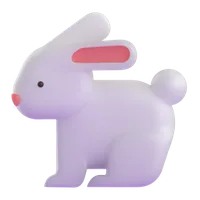 | Alif, rabbit | अलिफ़, खरगोश | ||
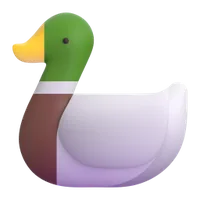 | Baa, duck | बा, बत्तख | ||
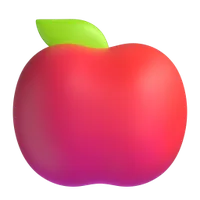 | Taa, apple | ता, सेब | ||
 | Thaa, fox | सा, लोमड़ी | ||
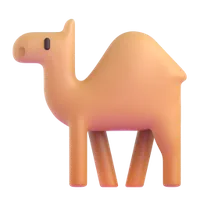 | Jeem, camel | जीम, ऊँट | ||
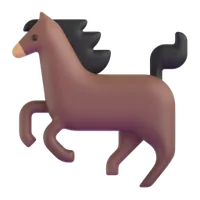 | Haa, horse | हा, घोड़ा | ||
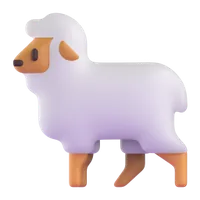 | Khaa, sheep | ख़ा, भेड़ | ||
 | Daal, bear | दाल, भालू | ||
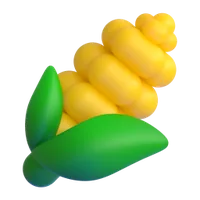 | Thaal, corn | ज़ाल, मक्का | ||
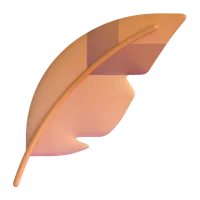 | Raa, feather | रा, पंख | ||
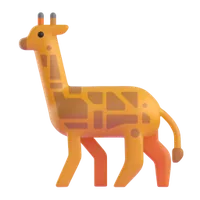 | Zaay, giraffe | ज़ाय, जिराफ़ | ||
 | Seen, fish | सीन, मछली | ||
 | Sheen, sun | शीन, सूरज | ||
 | Saad, rocket | साद, रॉकेट | ||
 | Daad, frog | दाद, मेंढक | ||
 | Taa, aeroplane | ता, हवाई जहाज़ | ||
 | Zaa, envelope | ज़ा, लिफ़ाफ़ा | ||
 | Ayn, grapes | ऐन, अंगूर | ||
 | Ghayn, cloud | ग़ैन, बादल | ||
 | Faa, elephant | फ़ा, हाथी | ||
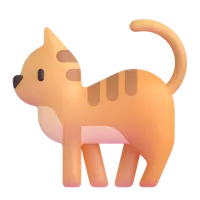 | Qaaf, cat | क़ाफ़, बिल्ली | ||
 | Kaaf, ball | काफ़, गेंद | ||
 | Laam, lemon | लाम, नींबू | ||
 | Meem, banana | मीम, केला | ||
 | Noon, bee | नून, मधुमक्खी | ||
 | Haa, crescent moon | हा, चाँद | ||
 | Waaw, rose | वाव, गुलाब | ||
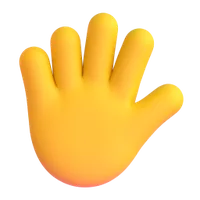 | Yaa, hand | या, हाथ |
The Arabic alphabet for kids starts with 28 letters, and the best way to learn them is the way children learn any script: see the shape, hear the sound, and move a finger along it. On this page your child picks a letter, watches a dot write it from right to left, and then traces it on a big board. Each letter ends with an easy Arabic word and its picture, for example ب with بَطَّة (duck), spoken in Arabic, then in English and Hindi. It is free, works in any browser, and needs no sign-up.
What your child learns from Arabic letter tracing
Tracing the Arabic letters teaches three things. First, the direction: Arabic runs right to left, so strokes begin on the right, which feels new for a child who also writes English. Second, the shape families: many Arabic letters share one body and differ only in their dots, so ب, ت and ث are the same boat with one dot below, two above or three above. Third, letter and word: every letter comes with a picture word, so the letter becomes a sound your child can hear at the start of جَمَل (camel) or فِيل (elephant).
The board shows each letter in its isolated form, the shape it has when it stands alone, as in a children's Arabic chart or an Arabic qaida. In real words most letters join to their neighbours and change shape slightly. That comes later; knowing the isolated letters well first makes the joined forms much easier.
How to use this Arabic alphabet tracing game
- Pick a letter. The row of letters runs right to left, starting with أ (alif). Tap any letter, or start at the beginning.
- Watch. A dot with a pointing finger draws the letter body first, then any hamza or small mark, then the dots. Tap Watch to see it again.
- Trace. Start on the green number 1 and follow the arrow. The body of the letter is one stroke; each dot is its own short stroke, so a single tap on a dot is enough. The board forgives wobbly lines, and a stroke counts at about 70 percent.
- See and hear. When the letter is done, the picture and the Arabic word appear, and your child hears the letter and word in Arabic, then its name and meaning in English and Hindi.
- Write it on paper. Tap Next. After a few letters (4 to 8, set by the child's age in Settings) your child gets a marble for the Goli Jar.
The 🔊 button repeats the letter and word. With calm motion on (in Settings, behind the grown-up check), the board shows a still diagram with numbered starting dots and arrows, plus a Done button that keyboard users can reach with Tab. The अ+A button in the header changes the order of English and Hindi; the Arabic always comes first.
Arabic alphabet chart with words for kids
These are the 28 letters on this page in their order, with the letter name in English letters, the picture word and its meaning. It works as a simple Arabic letters chart for kids: print this page and stick the chart near the study table.
| Letter | Name | Word | Meaning |
|---|---|---|---|
| أ | Alif | أَرْنَب | rabbit |
| ب | Baa | بَطَّة | duck |
| ت | Taa | تُفَّاحَة | apple |
| ث | Thaa | ثَعْلَب | fox |
| ج | Jeem | جَمَل | camel |
| ح | Haa | حِصَان | horse |
| خ | Khaa | خَرُوف | sheep |
| د | Daal | دُبّ | bear |
| ذ | Thaal | ذُرَة | corn |
| ر | Raa | رِيشَة | feather |
| ز | Zaay | زَرَافَة | giraffe |
| س | Seen | سَمَكَة | fish |
| ش | Sheen | شَمْس | sun |
| ص | Saad | صَارُوخ | rocket |
| ض | Daad | ضِفْدَع | frog |
| ط | Taa | طَائِرَة | aeroplane |
| ظ | Zaa | ظَرْف | envelope |
| ع | Ayn | عِنَب | grapes |
| غ | Ghayn | غَيْمَة | cloud |
| ف | Faa | فِيل | elephant |
| ق | Qaaf | قِطَّة | cat |
| ك | Kaaf | كُرَة | ball |
| ل | Laam | لَيْمُون | lemon |
| م | Meem | مَوْز | banana |
| ن | Noon | نَحْلَة | bee |
| ه | Haa | هِلَال | crescent moon |
| و | Waaw | وَرْدَة | rose |
| ي | Yaa | يَد | hand |
Arabic letter families: learn the shape once
A smart way to teach Arabic letters to kids is by family. Learn one body shape, then add dots. The dots are what tell the letters apart, which is why they are drawn as separate strokes here, always after the body.
| Body shape | Letters | What changes |
|---|---|---|
| Boat | ب ت ث | 1 dot below, 2 above, 3 above |
| Hook with a bowl | ج ح خ | dot inside, no dot, dot above |
| Small corner | د ذ | no dot, dot above |
| Slide | ر ز | no dot, dot above |
| Three teeth | س ش | no dots, 3 dots above |
| Oval with a bowl | ص ض | no dot, dot above |
| Oval with a tall stick | ط ظ | no dot, dot above |
| Open mouth with a bowl | ع غ | no dot, dot above |
| Loop head | ف ق | 1 dot and a flat tail, 2 dots and a deep bowl |
The other letters, أ ك ل م ن ه و ي, each have their own shape. Children often find ع and ه the hardest, so save them for a day when your child is fresh.
How to teach Arabic letters to kids at home, step by step
- Listen first. Let your child hear the letter names and the picture words for a few days before any writing. Songs and the tap-and-listen Arabic alphabet page with sound are ideal for this.
- Two or three letters at a time. Start with easy, open shapes: ا, ب, د, ر. Add one family a week.
- Big movements. Draw the letter in the air, in a tray of sand or semolina, or with a wet finger on a steel plate. Always start on the right.
- Trace here. A few letters on this board, with the sound and picture, fixes the movement.
- Paper and pencil. Write the letter on lined paper sitting on the line, with dots last. Say the path aloud: "Start on the right, go along, curve up; one dot under the boat."
- Find it in the world. Look for Arabic letters on food packets, shop signs, books and calendars. Ask "Can you find ب?"
Five to ten minutes a day is plenty for children of 3 to 6. Short, happy practice every day beats a long lesson once a week.
Arabic for kids by age: what to expect
| Age | What is typical | What to try |
|---|---|---|
| 2-3 years | Enjoys the sounds and pictures, scribbles | Listen to letters and words together; watch the demo dot; no pressure to trace |
| 3-4 years | Recognises a few letters, can follow a big path with a finger | Trace alif, baa, daal and raa; name the pictures |
| 4-5 years | Learns the dot families, starts pencil tracing | All 28 letters here, one family at a time; Arabic tracing worksheets on paper |
| 5-6 years | Writes most isolated letters from memory, begins joining | Write letters on lines; read short words with vowel marks |
What about Arabic vowels (harakat)?
The small marks above and below the picture words, like the fatha in بَطَّة, are the short vowels. Children learning the Arabic alphabet for kids do not need to write them yet. Let your child hear them in the words first. Once the letters are secure, teach the three short vowels (a, i, u) with one letter at a time: ba, bi, bu. This is the usual order in an Arabic qaida and in most Arabic classes for kids.
Arabic alphabet worksheets and printing
There is no PDF download on this site, but you can print this page (use your browser's print button) to get the letter chart and the family table on paper. To make your own Arabic letters worksheet, draw each letter large in dotted lines with a green dot at its starting point on the right, and number the dots in the order shown on the board. Children who enjoy colouring can decorate each letter with its picture, which makes a lovely home-made Arabic alphabet book.
Easy Arabic calligraphy for kids: give your child a flat marker or a cut ice-cream stick dipped in paint. Holding the flat edge at an angle makes thick and thin lines, just like a calligraphy pen, and turns letter practice into art.
Tips for bilingual homes and every kind of learner
- Two directions are fine. Children who learn English, Hindi and Arabic handle left-to-right and right-to-left well when each script has its own time and place. Mixing up direction for a while is normal.
- Praise effort. Say "You started on the right, well done!" rather than "clever". There is no wrong buzzer here; a slip gets a gentle hint to start at the green dot.
- If your child gets frustrated, go back to a letter they already know, or just listen to the words and pictures today.
- Speech delay, autism or motor difficulties: keep the same short routine, use calm motion, and trace one stroke at a time with your hand over your child's. Talk to your paediatrician if you are worried.
- Screen time: keep sessions short and do them together. Children under 2 learn better with a grown-up, real objects and songs than with a screen.
Next, count in Arabic on our Arabic numbers page, explore more on learn Arabic for kids, or compare with a related script on the Urdu alphabet page. For English letters, try ABC tracing.
How to use this page at home
Say it, then find it
Play for a few minutes, then look for the same thing away from the screen: arabic alphabet tracing on the shelf, in the kitchen, on the way to school. A child learns a word properly when they meet it twice, once on the screen and once in their hand.
Ten minutes is enough
Short and happy beats long and tired. Stop while your child still wants more, and come back tomorrow: the same page on five short days teaches far more than one long sitting. Nothing here is scored, so there is no reason to push.
Use both languages
Tap the language button at the top to hear the words in your home language first and the second language after. Hearing the same picture named in two languages is one of the few things research agrees builds attention as well as vocabulary.