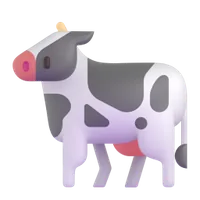
The feed the animals game starts with a simple problem every small child understands: someone is hungry. "The cow is hungry!" Golu says, and your child looks at the foods on the screen. They tap the grass, it flies across to the cow, and the cow munches and says "Moo! Thank you!" Then the monkey wants a banana, the rabbit a carrot, the cat a fish and the parrot some seeds. It is a tiny role play about caring for animals, and it teaches what animals eat in Hindi and English.
How to play the feed the animals game
- An animal appears and Golu says it is hungry. The 🔊 button repeats the line.
- Your child sees two to four foods, depending on the age set in settings.
- Tapping the right food sends it flying to the animal. The animal munches, and you hear its happy sound and a thank you.
- A different food gets a soft "hmm" and a reminder of who is hungry. The second time, the right food glows; the third time, a hand points to it.
- After five animals, a marble drops into the Goli Jar and your child gets a small mission to try in real life.
The same game sits inside our pretend play games for kids page, next to a dress-up game, a doctor game, bath time and cooking. Use the tabs at the top to switch.
What do animals eat? The animals in this game
| Animal | In Hindi | Food in the game | A little more for grown-ups |
|---|---|---|---|
| Cow | गाय | Grass (घास) | Cows are herbivores. They also eat hay, fodder and chaff, and chew the cud for hours. |
| Monkey | बंदर | Banana (केला) | Monkeys eat many fruits, leaves, seeds and some insects. Bananas are the classic picture-book choice. |
| Rabbit | खरगोश | Carrot (गाजर) | Pet rabbits mostly need hay and leafy greens; carrots are a treat. |
| Cat | बिल्ली | Fish (मछली) | Cats are carnivores, so they need meat or fish-based food. |
| Parrot | तोता | Seeds (दाने) | Parrots eat seeds, nuts, fruits and green chillies. |
For a young child, one clear match per animal is the right start. As your child grows, add the "a little more" facts from the last column and introduce the words herbivore (plant eater) and carnivore (meat eater) around UKG or class 1.
What your child learns, age by age
- Age 2-3: animal names and one food each, plus the fun of making something happen. Play with your child and make the animal sounds together.
- Age 3-4 (nursery): matches animals to food, says "the cow eats grass" as a full sentence.
- Age 4-5 (LKG): sorts foods into plants and meat, and explains why the cat does not want grass.
- Age 5-6 (UKG, class 1): talks about where animals live and what they eat, a common topic in EVS worksheets. Our animals name in Hindi and English page and domestic animals page help here.
Beyond facts, the game teaches care. Children feel good helping someone who is hungry. Ask your child how the cow felt before and after eating; that is a small lesson in empathy.
Feeding activities away from the screen
Feed the soft toys
Line up stuffed animals and make "food" from paper, blocks or real vegetables. Your child serves each one and says what it eats. Then make a silly mistake yourself ("Here is fish for the cow!") and let your child fix it.
Kitchen sorting
Put out a banana, a carrot, some grains and a leaf. Ask "Who would eat this?" This links to our fruits name and vegetable pages and uses real food your child can touch and smell.
Bird feeding (with a grown-up)
A small bowl of water and a few grains on a balcony or windowsill brings sparrows and pigeons in many Indian cities. Watch together from a distance and name the birds; see birds name.
Safe animal habits
Teach one rule clearly: we never feed or touch a street animal or someone's pet without a grown-up. Many children in India meet cows, dogs and monkeys on the street, so this is a real safety lesson. Monkeys in particular should not be fed by children.
Animals and their food in everyday Indian life
Many families in India live close to animals, which makes this topic easy to bring to life. In villages and small towns, your child may see a cow eating fodder by the roadside, goats nibbling leaves or hens pecking at grain. In cities, pigeons gather where people scatter grain, and street dogs wait near tea stalls. Point these moments out and ask the same question the game asks: "What is it eating?" Festivals help too; on some days families offer the first roti to a cow, which is a lovely, natural way to talk about feeding animals with care.
Tips for parents and teachers
Let your child lead. Some children want to feed the same animal again and again; the repetition is how they learn. Praise the effort ("You kept looking until you found the carrot!") rather than calling them clever. If your child taps the wrong food on purpose to see what happens, laugh with them; it means they understand the game.
For children with speech delay, pause after Golu's question and give them a chance to say or sign the food before tapping. Children who find movement overwhelming can switch on calm mode in settings, which stops the flying food and munching animations. In a bilingual home, choose Hindi only, English only or both with the अ+A button.
A few minutes of shared play is enough. Under-twos learn more from real animals, picture books and a grown-up's voice than from a screen.