Body parts in Malay: word list with pictures
30 words · tap 🔊 to hear each one in Malay.
| Picture | English | Malay | Say it | Listen |
|---|---|---|---|---|
 | Head | kepala | ||
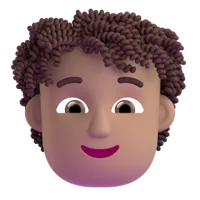 | Hair | rambut | ||
 | Face | muka | ||
 | Eye | mata | ||
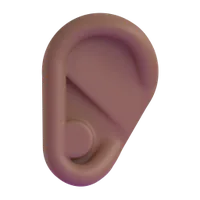 | Ear | telinga | ||
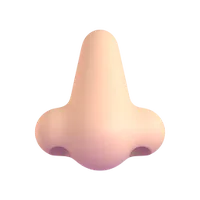 | Nose | hidung | ||
 | Mouth | mulut | ||
 | Lips | bibir | ||
 | Tongue | lidah | ||
 | Teeth | gigi | ||
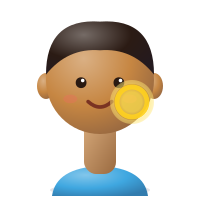 | Cheek | pipi | ||
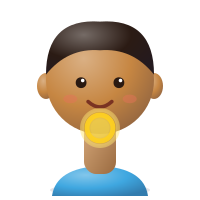 | Chin | dagu | ||
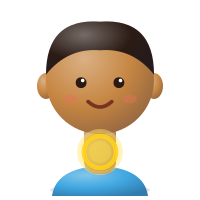 | Neck | leher | ||
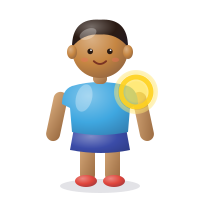 | Shoulder | bahu | ||
 | Arm | lengan | ||
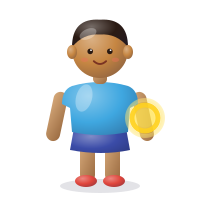 | Elbow | siku | ||
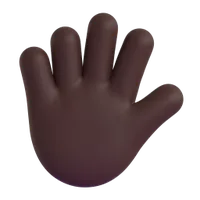 | Hand | tangan | ||
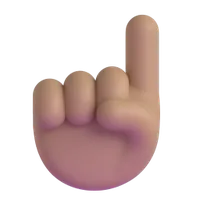 | Finger | jari | ||
 | Thumb | ibu jari | ||
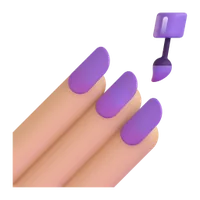 | Nail | kuku | ||
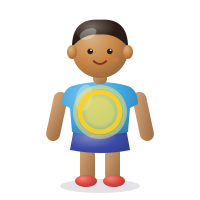 | Tummy | perut | ||
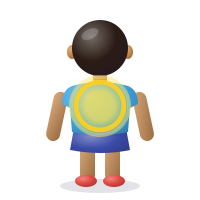 | Back | belakang | ||
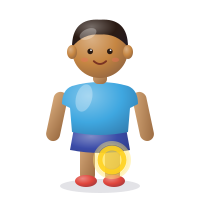 | Knee | lutut | ||
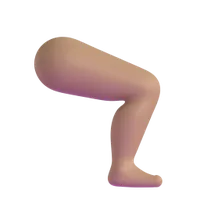 | Leg | kaki | ||
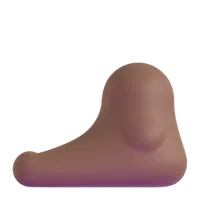 | Foot | tapak kaki | ||
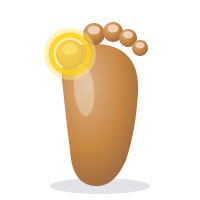 | Toe | jari kaki | ||
 | Brain | otak | ||
 | Heart | jantung | ||
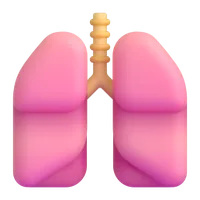 | Lungs | paru-paru | ||
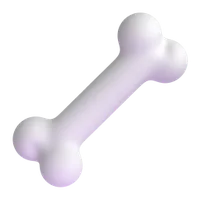 | Bones | tulang |
Body parts in Malay, anggota badan, are some of the first words a child learns, often before they turn two. This page has 30 body parts with pictures and clear audio, from the face (muka) and hands (tangan) to the jantung (heart), paru-paru (lungs) and tulang (bones). Tap a picture to hear each word in Malay and English, then play Find it.
Sing "Kepala, Bahu, Lutut, Kaki"
Malay children sing their own version of "Head, Shoulders, Knees and Toes": "Kepala, bahu, lutut, kaki, lutut, kaki", then "mata, telinga, mulut, hidung". Touch each part as you sing, start slowly, then speed up until everyone is giggling. The song is used in tadika across Malaysia and Singapore, and every word in it is in the game.
Face words first
The face gives the easiest words: mata (eye), telinga (ear), hidung (nose), mulut (mouth), bibir (lips), lidah (tongue), gigi (teeth), pipi (cheek), dagu (chin) and rambut (hair). Stand at a mirror and ask "Mana hidung?" (Where is the nose?). Your child points, and then it is their turn to ask you.
The five senses in Malay
Preschools in Malaysia teach the five senses, pancaindera or lima deria, as part of early science in the KSPK curriculum:
| Body part | Sense | Action word |
|---|---|---|
| mata | sight | melihat (see) |
| telinga | hearing | mendengar (hear) |
| hidung | smell | menghidu (smell) |
| lidah | taste | merasa (taste) |
| kulit | touch | menyentuh (touch) |
Malay body words explained
- Kaki means leg and also foot in daily speech. The game uses tapak kaki for the foot, "the sole of the leg".
- Jari means finger. Toes are jari kaki, "leg fingers".
- Ibu jari is the thumb, literally "mother finger". Children love that.
- Belakang is the back, and also means "behind".
- Perut is the tummy. "Perut lapar!" means "I'm hungry!"
What to expect by age
At 2-3, children point to 5-10 body parts on themselves or a doll. At 3-4, they name 15-20 and join the song. At 4-5, they explain what parts do: "Mata untuk melihat" (eyes are for seeing). At 5-6, they ask about the inside of the body. Feel the jantung beating fast after running, and take a deep breath to fill the paru-paru.
Body words in daily routines
- Before meals. "Basuh tangan dulu!" (Wash your hands first!).
- Bath time. Name each part as you wash it.
- Brushing teeth. "Gosok gigi" every morning and night.
- Body outline. Trace your child on paper and label the parts together.
- English link. The body parts name page has the same pictures in English.
Use calm, correct words for every part of the body, including private parts. Teach that their body belongs to them and that they can always tell a trusted grown-up if something feels wrong.
How to use the body parts game
In Listen, tap the face words first and touch your own face as each one plays. In Find it, Golu asks for a body part in Malay; your child taps the picture and then touches the part on their own body. Wrong taps get a hint, never "wrong". For children with speech delay or autism, pointing is a full answer, and the settings can add captions or reduce choices. If you are worried about your child's speech, talk to your paediatrician.
Body words for families abroad
Body parts are among the easiest Malay words to keep using outside Malaysia, because they fit every routine: dressing, washing, meals and bedtime. Say "Pakai kasut di kaki" (put shoes on your feet) as you leave the house, or play "Mana telinga Ayah?" (Where is Daddy's ear?) on the bus. If your child answers in English, simply repeat the Malay word with a smile. Grandparents can join over a video call by playing the song together.
Anggota badan untuk kanak-kanak
Halaman ini mengandungi 30 anggota badan dengan gambar dan suara, termasuk kepala, mata, hidung, mulut, telinga, tangan, kaki, jantung dan tulang. Sentuh gambar untuk mendengar namanya dalam bahasa Melayu dan bahasa Inggeris.
Nyanyikan lagu "Kepala, Bahu, Lutut, Kaki" sambil menyentuh setiap anggota badan. Semasa mandi, makan dan menggosok gigi, sebut nama anggota badan bersama anak. Dengan cara ini anak belajar bahasa Melayu dan menjaga kebersihan diri pada masa yang sama.
Bagi keluarga di luar negara, gunakan perkataan anggota badan dalam rutin harian seperti memakai kasut, membasuh tangan dan waktu tidur. Sedikit setiap hari lebih berkesan daripada pelajaran yang panjang.
How to use this page at home
Say it, then find it
Play for a few minutes, then look for the same thing away from the screen: malay words on the shelf, in the kitchen, on the way to school. A child learns a word properly when they meet it twice, once on the screen and once in their hand.
Ten minutes is enough
Short and happy beats long and tired. Stop while your child still wants more, and come back tomorrow: the same page on five short days teaches far more than one long sitting. Nothing here is scored, so there is no reason to push.
Use both languages
Tap the language button at the top to hear the words in your home language first and the second language after. Hearing the same picture named in two languages is one of the few things research agrees builds attention as well as vocabulary.