Body parts in Telugu: word list with pictures
30 words · tap 🔊 to hear each one in Telugu.
| Picture | English | Telugu | Say it | Listen |
|---|---|---|---|---|
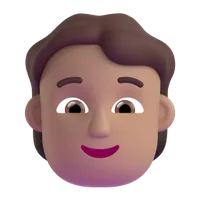 | Head | తల | tala | |
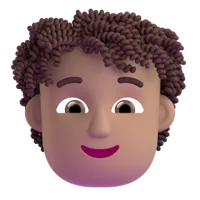 | Hair | జుట్టు | juttu | |
 | Face | ముఖం | mukham | |
 | Eye | కన్ను | kannu | |
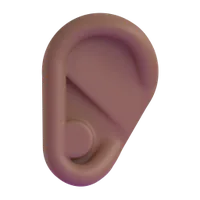 | Ear | చెవి | chevi | |
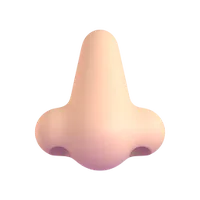 | Nose | ముక్కు | mukku | |
 | Mouth | నోరు | noru | |
 | Lips | పెదవులు | pedavulu | |
 | Tongue | నాలుక | naaluka | |
 | Teeth | పళ్ళు | pallu | |
 | Cheek | బుగ్గ | bugga | |
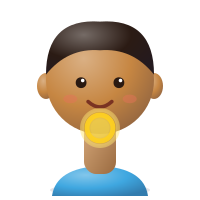 | Chin | గడ్డం | gaddam | |
 | Neck | మెడ | meda | |
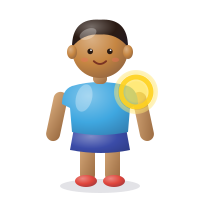 | Shoulder | భుజం | bhujam | |
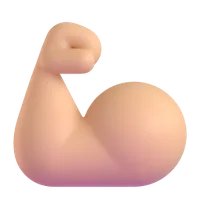 | Arm | చెయ్యి | cheyyi | |
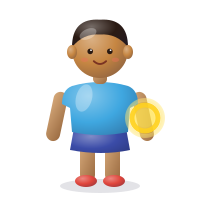 | Elbow | మోచేయి | mocheyi | |
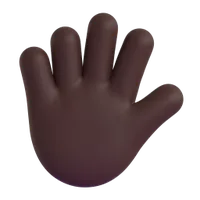 | Hand | అరచెయ్యి | aracheyyi | |
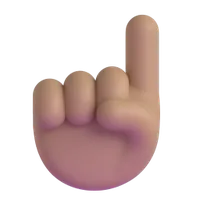 | Finger | వేలు | velu | |
 | Thumb | బొటనవేలు | botanavelu | |
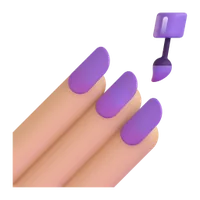 | Nail | గోరు | goru | |
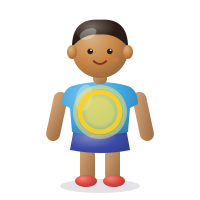 | Tummy | పొట్ట | potta | |
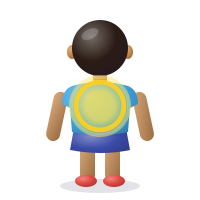 | Back | వీపు | veepu | |
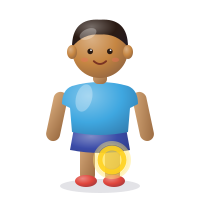 | Knee | మోకాలు | mokaalu | |
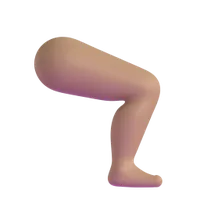 | Leg | కాలు | kaalu | |
 | Foot | పాదం | paadam | |
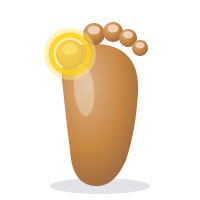 | Toe | కాలి వేలు | kaali velu | |
 | Brain | మెదడు | medadu | |
 | Heart | గుండె | gunde | |
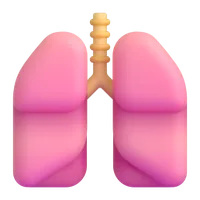 | Lungs | ఊపిరితిత్తులు | oopiritittulu | |
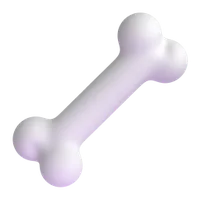 | Bones | ఎముకలు | emukalu |
Body parts in Telugu are among the first words a baby learns, often in games on a grandparent's lap: "కన్ను ఎక్కడ?" (kannu ekkada?, where is the eye?). This page has 30 body parts with pictures and clear audio, from తల (tala, head) and జుట్టు (juttu, hair) to పాదం (paadam, foot), plus four inside the body: brain, heart, lungs and bones. Tap a picture to hear it in Telugu and English, then play Find it and touch the same part on yourself.
Face parts name in Telugu
Start with the face, in front of a mirror, where your child can see and touch every part:
| English | Telugu | Say it |
|---|---|---|
| Face | ముఖం | mukham |
| Eye | కన్ను | kannu |
| Ear | చెవి | chevi |
| Nose | ముక్కు | mukku |
| Mouth | నోరు | noru |
| Lips | పెదవులు | pedavulu |
| Tongue | నాలుక | naaluka |
| Teeth | పళ్ళు | pallu |
| Cheek | బుగ్గ | bugga |
| Chin | గడ్డం | gaddam |
గడ్డం means both chin and beard, which makes children giggle when they look at తాతయ్య. And బుగ్గ (cheek) is the word grandparents use when they pinch one!
Hands, arms, legs and feet in Telugu
In everyday Telugu, చెయ్యి (cheyyi) means both arm and hand, and కాలు (kaalu) means both leg and foot. The game uses more exact words too: అరచెయ్యి (aracheyyi) is the palm and పాదం the foot. Look at these neat pairs:
- మోచేయి (mocheyi, elbow) and మోకాలు (mokaalu, knee) both start with "mo". One bends the చెయ్యి, the other bends the కాలు.
- వేలు (velu) is a finger, బొటనవేలు (botanavelu) is the thumb, and కాలి వేలు (kaali velu) is a toe, "the leg's finger".
- గోరు (goru) nail · భుజం (bhujam) shoulder · మెడ (meda) neck · పొట్ట (potta) tummy · వీపు (veepu) back
Telugu clapping games like చెమ్మ చెక్క (chemma chekka) are a fun way to practise చెయ్యి and వేలు while playing.
Inside the body: internal body parts in Telugu
Five- and six-year-olds love learning what is inside. The game includes మెదడు (medadu, brain), గుండె (gunde, heart), ఊపిరితిత్తులు (oopiritittulu, lungs) and ఎముకలు (emukalu, bones). ఊపిరి means breath, so the lungs are "breath bags", a name children can understand. After running, put your child's hand on their chest to feel the గుండె beat fast, then take a big breath together and feel the ఊపిరితిత్తులు fill up.
Songs, games and daily moments
- Sing it. Use the tune of "Head, Shoulders, Knees and Toes" with తల, భుజాలు, మోకాళ్ళు, కాలి వేళ్ళు. Go faster each round.
- Where is it? "ముక్కు ఎక్కడ?" Your child points. Then swap roles, and sometimes point wrongly for giggles.
- Bath time. Name each part as you wash it. The festival తలంటు (oil bath) on Deepavali or Sankranti, oiling from head to foot, is a perfect naming moment.
- Trace your child. Draw around your child on a big sheet and label parts in Telugu.
- Animal bodies. The ఏనుగు has big చెవులు, the కుందేలు long ones. Compare on animals name in Telugu.
| Age | Realistic goal |
|---|---|
| 2-3 | Points to eyes, nose, mouth, ears, hair, hands and feet when named in Telugu |
| 3-4 | Names 10-15 parts, including tummy, knee and finger |
| 4-5 (LKG) | Names 20 parts; knows which ones we see, hear and smell with |
| 5-6 (UKG) | All 30, including heart, lungs, brain and bones |
Count ten fingers with numbers in Telugu: పది వేళ్ళు. For feelings, emotions for kids shows happy and sad faces; ask what the కళ్ళు and నోరు are doing. The English and Hindi body parts name game has the same 30 words.
Habits, health and body safety
Body words help children tell you how they feel. "కడుపు నొప్పిగా ఉంది" (my tummy hurts) is a very useful sentence. Link words to good habits: brush your పళ్ళు, cut your గోళ్ళు, wash your చేతులు before eating. It is also a calm moment to teach that some parts are private, and that your child can always tell you if something feels wrong.
For children with speech delay, pointing counts as learning. Stay with five parts for longer and use the fewer choices setting. If you are worried about speech or hearing, talk to your paediatrician.
తల్లిదండ్రులకు
శరీర భాగాల పేర్లు పిల్లలు మొదట నేర్చుకునే మాటల్లో కొన్ని. "కన్ను ఎక్కడ? ముక్కు ఎక్కడ?" అని ఆడండి. పిల్లలు వేలితో చూపిస్తే చాలు.
స్నానం చేయించేటప్పుడు ప్రతి భాగం పేరు చెప్పండి: తల, మెడ, చెయ్యి, కాలు. "తల, భుజాలు, మోకాళ్ళు, కాలి వేళ్ళు" అని పాడుతూ ఆడండి.
పెద్ద పిల్లలకు గుండె, ఊపిరితిత్తులు, మెదడు, ఎముకల గురించి చెప్పండి. పరిగెత్తిన తర్వాత ఛాతీ మీద చెయ్యి పెట్టి గుండె చప్పుడు వినమనండి.
How to use this page at home
Say it, then find it
Play for a few minutes, then look for the same thing away from the screen: telugu words on the shelf, in the kitchen, on the way to school. A child learns a word properly when they meet it twice, once on the screen and once in their hand.
Ten minutes is enough
Short and happy beats long and tired. Stop while your child still wants more, and come back tomorrow: the same page on five short days teaches far more than one long sitting. Nothing here is scored, so there is no reason to push.
Use both languages
Tap the language button at the top to hear the words in your home language first and the second language after. Hearing the same picture named in two languages is one of the few things research agrees builds attention as well as vocabulary.