Musical Instruments Name in English and Hindi with pictures
15 words · tap 🔊 to hear each one.
| Picture | English | Hindi | Say it | Listen |
|---|---|---|---|---|
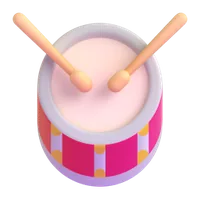 | Drum | ढोल | Dhol | |
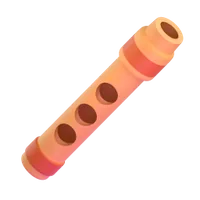 | Flute | बाँसुरी | Baansuri | |
 | Bell | घंटी | Ghanti | |
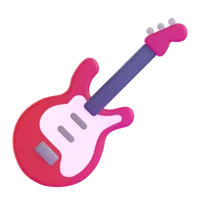 | Guitar | गिटार | Gitaar | |
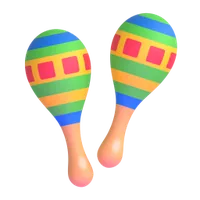 | Rattle | झुनझुना | Jhunjhuna | |
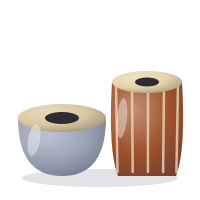 | Tabla | तबला | Tabla | |
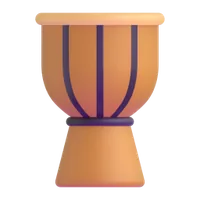 | Dholak | ढोलक | Dholak | |
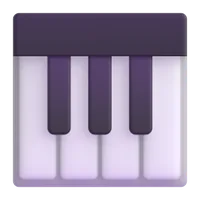 | Piano | पियानो | Piyaano | |
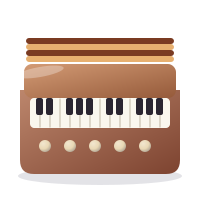 | Harmonium | हारमोनियम | Haarmoniyam | |
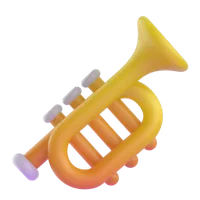 | Trumpet | तुरही | Turhi | |
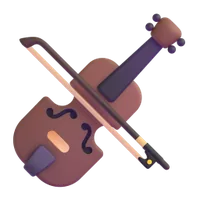 | Violin | वायलिन | Vaayalin | |
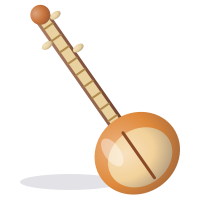 | Sitar | सितार | Sitaar | |
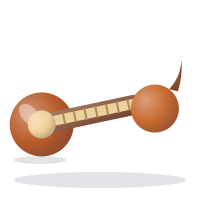 | Veena | वीणा | Veena | |
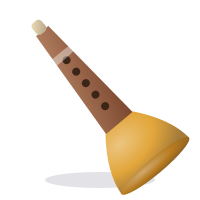 | Shehnai | शहनाई | Shehnaai | |
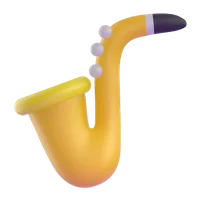 | Saxophone | सैक्सोफ़ोन | Saiksofon |
Children love anything that makes a noise, which makes music one of the happiest word groups to learn. This page teaches 15 musical instruments name in Hindi and English with pictures, from the ढोल (dhol, drum) and बाँसुरी (bansuri, flute) to the तबला (tabla), वीणा (veena) and शहनाई (shehnai). Each instrument speaks its name in both languages in clear audio, along with a sound word such as "boom boom" or "dha dhin".
What your child learns, and at what age
| Age | What is realistic | Start with |
|---|---|---|
| 2-3 (toddlers) | Names 3-5 instruments; copies a beat; shakes and bangs | Drum, bell, rattle, flute |
| 3-4 (nursery) | Names 5-8; matches a sound word to an instrument | Add guitar, tabla, piano, trumpet |
| 4-5 (LKG) | Names 10; says how each is played (hit, blow, pluck, press) | Add dholak, harmonium, violin |
| 5-6 (UKG, class 1) | All 15 in both languages; groups instruments; knows Indian and world ones | Add sitar, veena, shehnai, saxophone |
Most school lists ask for 5 or 10 instrument names for UKG and class 1, so the first ten here cover it, and the last five stretch older children.
How to play the musical instrument name game
- Listen (सुनो): tap an instrument to hear its name and a short fact, like "A tabla is played with the fingers."
- Find it (ढूँढो): Golu asks for one instrument from 2-4 big pictures.
- Sounds (आवाज़): Golu says a sound word, such as "toot toot", and your child finds the instrument that makes it. The sounds are spoken words, not recordings of real instruments, so it is a listening and matching game.
- Silly? (मज़ेदार): "The bell says boom boom!" Is that right or silly? Children love catching Golu's mistakes.
- Memory (जोड़ी): turn cards to find matching pairs.
No game ever says "wrong". A wrong tap gets the name of what was tapped, then a glow on the right answer, then Golu points to it. Each finished game adds a marble to the Goli Jar; tap it to count them together. The अ+A button changes the order of Hindi and English, and Settings (behind a grown-up check) set your child's age plus calm motion, calm sound, captions, fewer choices and high contrast.
Musical instruments group names: hit, blow, pluck, press
Grouping by how an instrument is played is how music teachers sort them, and even a 4 year old can do it with actions. This table shows the 15 instruments and their uses in a way the word list above does not.
| How we play it | Instruments (English / Hindi) | Action for your child |
|---|---|---|
| Hit or shake (percussion) | Drum / ढोल, tabla / तबला, dholak / ढोलक, bell / घंटी, rattle / झुनझुना | Pat your knees |
| Blow into (wind) | Flute / बाँसुरी, trumpet / तुरही, shehnai / शहनाई, saxophone / सैक्सोफ़ोन | Puff out your cheeks |
| Pluck or bow (strings) | Guitar / गिटार, sitar / सितार, veena / वीणा, violin / वायलिन | Strum the air |
| Press keys (keyboard) | Piano / पियानो, harmonium / हारमोनियम | Wiggle your fingers |
So if a worksheet asks you to name a musical instrument you blow into, or instruments played by mouth, the answer is the flute, trumpet, shehnai or saxophone.
Indian instruments and local music
Many school books ask children to name four musical instruments you know from your locality. In India there is plenty to choose from:
- The dholak and shehnai are played at weddings. Next time you hear a baraat, ask your child to name the instruments.
- The dhol leads Bhangra in Punjab and Ganpati processions in Maharashtra.
- The tabla and harmonium are heard at bhajans, qawwalis and music classes across the country.
- The veena is held by Goddess Saraswati, and the bansuri is Lord Krishna's flute, so children often see them in pictures and at festivals.
- The bell (घंटी) rings in temples, churches and at school.
The guitar, piano, violin and saxophone are heard around the world, so children abroad and in India share these names. The national symbols of India page is a good next step for more Indian culture.
How to teach instrument names at home in 5-10 minutes
- Kitchen band. Musical instruments for kids to make are easy: a steel dabba with a spoon is a drum, a closed bottle of dry rice or dal is a rattle, and a rubber band round a box is a guitar. Name each one as your child plays it.
- Guess the sound. Hide behind a door and ring a bell, shake a rattle or tap a plate. Your child guesses which one.
- Loud and soft, fast and slow. Beat the drum loudly, then softly; fast, then slow. Your child copies. This builds listening and self-control.
- Dance stops. Play music, stop it, everyone freezes. Name the instrument you heard most.
- Spot it. In a wedding video, a temple, or a music shop, count and name the instruments you see.
After a round of Sounds, try the baby keyboard game so your child can make their own notes, or animal sounds for another listening game with the same "who makes this sound?" idea.
What instrument can a 3 year old learn? And a 5 year old?
At 2-4, musical instruments for toddlers and preschoolers should be simple and sturdy: a small drum, a rattle or shaker, a bell, a xylophone or a toy keyboard. The goal is keeping a beat and enjoying sound, not lessons. By 5-6, many children are ready for short, playful beginner classes in keyboard, tabla, recorder or ukulele, if they are interested. Singing together at home counts as music learning at every age, and it is free.
Musical instruments name chart and worksheet
There is no separate PDF. The word list above is a musical instruments names list with pictures, Hindi, English and pronunciation, and it prints from your browser (Print, then paper or "Save as PDF"). For a worksheet, cut the pictures out and sort them into the four groups above, or ask a 6 year old to write five instrument names and draw one. Easy first spellings are "drum", "bell" and ढोल.
Loud, quiet and every child in between
Some children love loud sounds and some find them overwhelming. If your child covers their ears, switch on calm sound in Settings, use headphones at low volume, or stick to Listen mode. Autistic children and children with sound sensitivities may prefer soft instruments like the flute and bell; let them lead. For speech delay, sound words like "boom" and "toot" are often easier to say than names, so celebrate them. Praise effort, not right answers, and if Find it gets hard, go back to Listen. Keep screen time short, about 5-10 minutes with you beside them. For children under 2, singing and shaking a real rattle with you is better than a screen.
How to use this page at home
Say it, then find it
Play for a few minutes, then look for the same thing away from the screen: musical instruments name on the shelf, in the kitchen, on the way to school. A child learns a word properly when they meet it twice, once on the screen and once in their hand.
Ten minutes is enough
Short and happy beats long and tired. Stop while your child still wants more, and come back tomorrow: the same page on five short days teaches far more than one long sitting. Nothing here is scored, so there is no reason to push.
Use both languages
Tap the language button at the top to hear the words in your home language first and the second language after. Hearing the same picture named in two languages is one of the few things research agrees builds attention as well as vocabulary.