Household Items Name in English and Hindi with pictures
30 words · tap 🔊 to hear each one.
| Picture | English | Hindi | Say it | Listen |
|---|---|---|---|---|
 | Bed | पलंग | Palang | |
 | Pillow | तकिया | Takiya | |
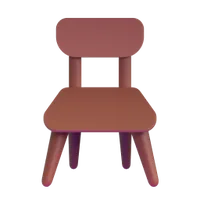 | Chair | कुर्सी | Kursi | |
 | Spoon | चम्मच | Chammach | |
 | Plate | थाली | Thaali | |
 | Glass | गिलास | Gilaas | |
 | Door | दरवाज़ा | Darwaaza | |
 | Window | खिड़की | Khidki | |
 | Fan | पंखा | Pankha | |
 | Clock | घड़ी | Ghadi | |
 | Bucket | बाल्टी | Baalti | |
 | Soap | साबुन | Saabun | |
 | Toothbrush | टूथब्रश | Toothbrash | |
 | Broom | झाड़ू | Jhaadoo | |
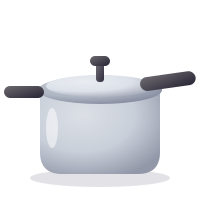 | Pressure Cooker | कुकर | Kukar | |
 | Cooking Pot | पतीला | Pateela | |
 | Kadhai | कड़ाही | Kadaahi | |
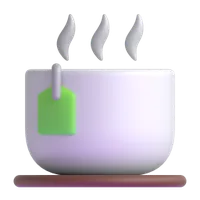 | Cup | कप | Kap | |
 | Bowl | कटोरी | Katori | |
 | Mirror | शीशा | Sheesha | |
 | Television | टीवी | TV | |
 | Sofa | सोफ़ा | Sofa | |
 | Diya Lamp | दीया | Diya | |
 | Light Bulb | बल्ब | Balb | |
 | Toilet | शौचालय | Shauchaalay | |
 | Phone | फ़ोन | Fon | |
 | Knife | चाकू | Chaakoo | |
 | Kettle | केतली | Ketli | |
 | Bathtub | टब | Tab | |
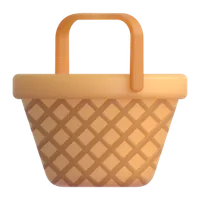 | Basket | टोकरी | Tokri |
A home is full of words a child can touch. This page teaches 30 household items name in English and Hindi with pictures, the things your child sees every day: पलंग (palang, bed), पंखा (pankha, fan), थाली (thali, plate), बाल्टी (baalti, bucket), कुकर (cooker), कड़ाही (kadhai) and दीया (diya). Every picture speaks both names in clear audio.
What are household items called, and why teach them?
Household items are the everyday objects we use at home: furniture like a bed or chair, kitchen utensils like a spoon or pot, bathroom things like soap and a bucket, and things like a fan, clock or phone. Toddlers learn these words early because they hear them in real routines: "Bring your चप्पल", "Sit on the कुर्सी", "Wash hands with साबुन". Naming them in two languages helps a child follow instructions at home and at school.
What your child learns, age by age
| Age | What is realistic | Start with |
|---|---|---|
| 2-3 | Understands 10 or so object names; fetches them when asked | Bed, pillow, chair, spoon, plate, glass, door, fan |
| 3-4 (nursery) | Says 10-15 names; knows what each is for | Add clock, bucket, soap, toothbrush, broom, cup, bowl |
| 4-5 (LKG) | Groups items by room; names 20 | Add cooker, pot, kadhai, mirror, sofa, TV, bulb |
| 5-6 (UKG, class 1) | All 30 in both languages; explains uses and safety | Add knife, kettle, tub, basket, toilet, phone |
How to use this page
- Listen (सुनो): tap any item to hear its name and a short line about what it does, such as "A fan keeps us cool."
- Find it (ढूँढो): Golu asks for one item from 2-4 big pictures. A wrong tap is never called wrong. Your child hears the name of what they tapped, the right picture glows, then Golu points to it.
- Memory (जोड़ी): find matching pairs of cards.
The अ+A button switches the language order: Hindi then English, English then Hindi, or one language only. Each finished round drops a marble in the Goli Jar; tap it and count the marbles together. In Settings (behind a grown-up check) set your child's age, and turn on calm motion, calm sound, captions, fewer choices or high contrast.
Household items and their uses, room by room
This table groups the game's items by room and says what each is for. It is a different view from the word list above, which gives the picture, spelling and pronunciation.
| Room | Items (English / Hindi) | What we do with them |
|---|---|---|
| Bedroom | Bed / पलंग, pillow / तकिया, mirror / शीशा | Sleep, rest our head, see ourselves |
| Living room | Chair / कुर्सी, sofa / सोफ़ा, door / दरवाज़ा, window / खिड़की, fan / पंखा, clock / घड़ी, TV / टीवी, phone / फ़ोन, bulb / बल्ब, diya / दीया, broom / झाड़ू | Sit, go in and out, let light in, stay cool, tell time, talk to family, light up the room, sweep |
| Kitchen | Spoon / चम्मच, plate / थाली, glass / गिलास, cup / कप, bowl / कटोरी, pressure cooker / कुकर, cooking pot / पतीला, kadhai / कड़ाही, kettle / केतली, knife / चाकू, basket / टोकरी | Eat, drink, cook, fry, pour tea, cut (grown-ups only), carry vegetables |
| Bathroom | Bucket / बाल्टी, soap / साबुन, toothbrush / टूथब्रश, tub / टब, toilet / शौचालय | Bathe, wash hands, brush teeth |
Kitchen items name in English and Hindi for kids
What do you call kitchen items? In English they are "kitchen utensils" or "kitchenware"; in Hindi, बर्तन (bartan). The kitchen utensils names children hear most in India are the thali, katori, glass, chammach, patila, kadhai and cooker. The cooker's whistle is a great listening game: count the whistles together. A child who knows these words can also help set the table, which is a lovely daily job.
Many kitchen things have a common name and another name. A pressure cooker is just "cooker" in most Indian homes, a पतीला is a cooking pot or saucepan, and a कटोरी is a small bowl. Teach the short name your family uses first, then the other one. If your child's teacher wants a kitchen items name list with pictures, the 11 kitchen things in the table above, all shown in the word list with images, make a good set. For the food that goes in them, see food items name in Hindi and English; for the next word group after this one, many schools teach clothes names for boys and girls, such as shirt, frock and kurta.
How to have a toddler help in the kitchen
- 2-3 years: put spoons in a basket, carry the unbreakable katoris to the table, wash vegetables in a bowl of water.
- 3-4 years: set out one plate, one glass and one spoon for each person, naming each item as they go.
- 4-6 years: sort clean utensils (all spoons together, all bowls together), pour water from a small jug, wipe the table.
Safety first: the knife, the hot kadhai, the pressure cooker and the kettle are for grown-ups only. The game says "Only grown-ups use a sharp knife" for this reason. For more, see safety rules for kids.
How to teach household things name in 5-10 minutes a day
- Treasure hunt. "Can you find something we sit on? Something that tells the time?" Your child runs to the chair or the clock and says the name.
- Label day. For 5-6 year olds, stick paper labels with the English and Hindi word on the door, fan and mirror. Read them together each morning.
- What is missing? Put a spoon, a cup and a toothbrush on a tray, cover them, remove one and ask which is gone.
- Routine talk. Name items during bath and bedtime: bucket, soap, toothbrush, pillow. Routines repeat daily, so the words repeat too.
- Diwali and festivals. Light a diya together and name it. Talk about the broom and the cleaning before the festival.
Household items list for kids: print this page
There is no separate PDF. The word list above works as a household items list in English and Hindi with pictures, and it prints from your browser (Print, then paper or "Save as PDF"). For a worksheet, cut the printout into picture cards and play "put it in the right room" with bedroom, kitchen and bathroom sheets. Older children can write the kitchen items name in English under each picture, which is useful when a school asks for 10 or 20 kitchen or household things.
Indian homes and homes around the world
Some items here are very Indian: the kadhai, the steel thali, the pressure cooker and the clay diya. Others, like the kettle and the bathtub, are more common in homes abroad. Families outside India can use both: "Nani's house has a बाल्टी; our house has a tub." Talking about different homes builds vocabulary and curiosity. You can extend this with family members name ("Whose chair is this? Dada's!").
Every child, at their own pace
Praise effort, not speed. If Find it gets frustrating, go back to Listen or switch on fewer choices. Children with speech delay can answer by pointing or bringing the real object; that counts. Autistic children often enjoy the predictability of naming the same objects in the same order every day. In bilingual homes, speak your strongest language and let the game offer the other. Keep screen sessions to about 5-10 minutes with you beside them, and for children under 2, real objects and your voice teach more than any screen.
Next, try clothes name in Hindi and English or food items name for what goes on the thali.