Places in Our Neighbourhood in English and Hindi with pictures
14 words · tap 🔊 to hear each one.
| Picture | English | Hindi | Say it | Listen |
|---|---|---|---|---|
 | This is the house. My family lives here. | यह घर है। यहाँ मेरा परिवार रहता है। | ||
 | This is the school. Teachers work here. Children learn here. | यह स्कूल है। यहाँ टीचर काम करते हैं। बच्चे यहाँ पढ़ते हैं। | ||
 | This is the hospital. Doctors and nurses work here. They help sick people. | यह अस्पताल है। यहाँ डॉक्टर और नर्स काम करते हैं। वे बीमार लोगों की मदद करते हैं। | ||
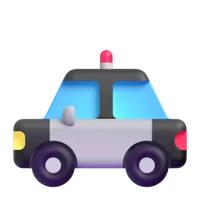 | This is the police station. Police officers work here. They keep us safe. | यह पुलिस थाना है। यहाँ पुलिस काम करती है। वह हमें सुरक्षित रखती है। | ||
 | This is the fire station. Firefighters work here. They put out fires. | यह फ़ायर स्टेशन है। यहाँ दमकल वाले काम करते हैं। वे आग बुझाते हैं। | ||
 | This is the post office. Postal workers send our letters and parcels. | यह डाकघर है। डाकिए हमारी चिट्ठियाँ और पार्सल पहुँचाते हैं। | ||
 | This is the bank. Bank workers keep our money safe. | यह बैंक है। बैंक वाले हमारे पैसे सँभालकर रखते हैं। | ||
 | This is the shop. The shopkeeper sells rice, milk and soap. | यह दुकान है। दुकानदार चावल, दूध और साबुन बेचता है। | ||
 | This is the bakery. The baker bakes bread and buns. | यह बेकरी है। बेकर ब्रेड और बन बनाता है। | ||
 | This is the park. We play here. The gardener looks after the plants. | यह पार्क है। हम यहाँ खेलते हैं। माली पौधों की देखभाल करता है। | ||
 | This is the library. The librarian helps us find books. | यह पुस्तकालय है। लाइब्रेरियन किताबें ढूँढने में मदद करता है। | ||
 | This is the bus stop. We wait here for the bus. The driver drives the bus. | यह बस स्टॉप है। हम यहाँ बस का इंतज़ार करते हैं। ड्राइवर बस चलाता है। | ||
 | This is the place of worship. People pray at a temple, mosque, church or gurdwara. | यह पूजा का स्थान है। लोग मंदिर, मस्जिद, चर्च या गुरुद्वारे में प्रार्थना करते हैं। | ||
 | This is the building site. Builders make new houses and roads. | यह निर्माण स्थल है। मज़दूर नए घर और सड़कें बनाते हैं। |
Places in our neighbourhood are the first "geography" a child ever learns. Before maps and countries come the school gate, the corner shop, the park and the bus stop. This page shows your child 14 big pictures of places in the neighbourhood, from the house and the school to the hospital, bank and bakery. Tap a picture and a clear voice says its name and one simple sentence, such as "This is the hospital. Doctors and nurses work here. They help sick people." and "यहाँ डॉक्टर और नर्स काम करते हैं।" Your child hears every place in Hindi and English.
What your child learns about places around us
Young children understand places through people and actions: "the place where I buy milk", "the place where the doctor gives medicine". This game follows that way of thinking. Your child learns:
- The names of 14 places: house, school, hospital, police station, fire station, post office, bank, shop, bakery, park, library, bus stop, place of worship and building site.
- What happens there: "The baker bakes bread and buns." "We wait here for the bus."
- Who works there: teachers, doctors and nurses, police officers, firefighters, postal workers, bank workers, the shopkeeper, the baker, the gardener, the librarian, the bus driver and builders.
- Respect for everyone: the place of worship card says that people pray at a temple, mosque, church or gurdwara, so every child sees their own family included.
This is the same topic that EVS books call "Our neighbourhood" or "Places around us", so it fits nursery, LKG, UKG and class 1 lessons well.
How to play the places in our neighbourhood game
The game has three modes in the tab bar. All instructions are spoken, so your child does not need to read.
- Learn: 14 place pictures. Tap one to hear its name and what happens there, in Hindi and English. Tap as often as your child likes.
- Who works here? A place appears and your child taps the person who works there. The eight workers are the teacher, doctor, police officer, firefighter, bank worker, baker, gardener and builder. So the school goes with the teacher, the park goes with the gardener and the building site goes with the builder.
- Find it: Golu asks "Where is the bank?" and your child taps the right picture from a small set.
Games never say "wrong". If your child taps a different picture, the voice names what they tapped, then the right answer glows, then Golu, our glass marble mascot, points to it with his hand. Every round ends with a marble in the Goli Jar, saved on your device. The अ+A button in the header sets the order: Hindi then English, English then Hindi, or just one language. Settings, behind a quick grown-up check, set your child's age band, which changes the number of choices and rounds. You can also turn on calm motion, fewer choices and captions there.
Places in our neighbourhood chart: place, worker and Hindi name
Here is every place in the game with its Hindi name and the person your child meets there. You can print this page from your browser and use the table as a simple places in our neighbourhood chart.
| Place | In Hindi | What happens there | Who works there |
|---|---|---|---|
| House | घर | My family lives here | Family |
| School | स्कूल | Children learn here | Teacher |
| Hospital | अस्पताल | Sick people get help | Doctor, nurse |
| Police station | पुलिस थाना | Keeping us safe | Police officer |
| Fire station | फ़ायर स्टेशन | Putting out fires | Firefighter |
| Post office | डाकघर | Sending letters and parcels | Postal worker |
| Bank | बैंक | Keeping money safe | Bank worker |
| Shop | दुकान | Selling rice, milk and soap | Shopkeeper |
| Bakery | बेकरी | Baking bread and buns | Baker |
| Park | पार्क | We play; plants are cared for | Gardener |
| Library | पुस्तकालय | Finding books | Librarian |
| Bus stop | बस स्टॉप | Waiting for the bus | Bus driver |
| Place of worship | पूजा का स्थान | People pray | Everyone who visits |
| Building site | निर्माण स्थल | Making new houses and roads | Builder |
Places in the neighbourhood for preschool, LKG, UKG and class 1
| Age | What is realistic | Try this |
|---|---|---|
| 3-4 years (nursery) | Names 4-6 familiar places: house, school, shop, park, hospital | Learn mode only. Point to the same places on your street. |
| 4-5 years (LKG) | Links a place to what happens there and who works there | Who works here? with the age band set to 4-5. |
| 5-6 years (UKG, class 1) | Names most of the 14 places in two languages; talks about why each place matters | Find it, then draw a simple map of your own street. |
How to teach neighbourhood places to kids in 5-10 minutes a day
The screen is the starting point; the real lesson happens outside. Short, daily moments work better than one long session.
- A neighbourhood walk: on the way to school or the market, name two places you pass: "That is the bank. Bank workers keep our money safe." Ask your child to spot the next one.
- Who works where? When you see a postal worker, a traffic police officer or a gardener, say where they work. This joins the game to real faces.
- Play shop and bakery: use a toy till, some bowls of rice and dough balls. Take turns being the shopkeeper and the baker. Role play builds vocabulary and polite words like "please" and "thank you".
- Draw my neighbourhood: for a UKG or class 1 child, draw your road as a long strip and add the house, the shop and the park. This is a gentle first step towards reading maps for kids.
- Make a places in our neighbourhood worksheet together: fold a paper into six boxes; your child draws a place in each box and you write the name in Hindi and English.
Ask "What would happen if there was no fire station?" or "Where do we go if we feel sick?" Open questions like these grow thinking, not just naming.
Safety and manners around the neighbourhood
This topic is a natural place to talk about safety. Teach your child that a police officer, a teacher or a shopkeeper you know are people they can ask for help if they get lost, and practise saying a parent's name and phone number. Hold hands at the bus stop and wait well back from the road. You can build on this with our safety rules for kids game and practise greetings for the people you meet with good manners for kids.
A note for families in India and abroad
An Indian neighbourhood may have a kirana shop, a temple bell, a chai stall and a ration shop; a neighbourhood in Dubai may have a supermarket, a mosque and a metro stop; a town in the UK may have a post box on every corner. The 14 places here are common everywhere, so talk about how they look in your own area. If your family prays at a gurdwara, church, mosque or temple, name it when the place of worship card appears.
Tips for every child
Praise effort: "You remembered the baker makes bread!" If your child gets stuck or upset, go back to Learn mode and just tap pictures for fun. For children with speech delay or autism, the repeated sentences and steady pictures help; let them hear the same place many times, and use fewer choices in settings. In bilingual homes, let your child answer in whichever language comes first. Keep screen time short, about 5 to 10 minutes, and play together. Children under 2 learn more from a walk with you than from a screen.
Next, meet the people behind these places in our community helpers game, and learn the vehicles name page to talk about the bus, fire engine and police car you see on your street. More ideas for grown-ups are on the parents page.
How to use this page at home
Say it, then find it
Play for a few minutes, then look for the same thing away from the screen: places in our neighbourhood on the shelf, in the kitchen, on the way to school. A child learns a word properly when they meet it twice, once on the screen and once in their hand.
Ten minutes is enough
Short and happy beats long and tired. Stop while your child still wants more, and come back tomorrow: the same page on five short days teaches far more than one long sitting. Nothing here is scored, so there is no reason to push.
Use both languages
Tap the language button at the top to hear the words in your home language first and the second language after. Hearing the same picture named in two languages is one of the few things research agrees builds attention as well as vocabulary.