Arabic alphabet chart with pictures
28 letters · tap 🔊 to hear each one.
| Picture | Letter | Word | Meaning | Listen |
|---|---|---|---|---|
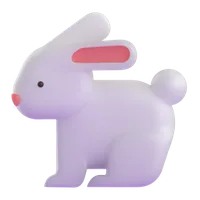 | أ | أَرْنَب | rabbit | |
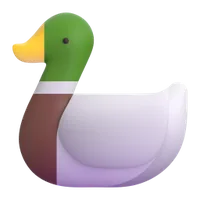 | ب | بَطَّة | duck | |
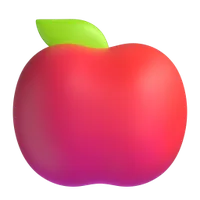 | ت | تُفَّاحَة | apple | |
 | ث | ثَعْلَب | fox | |
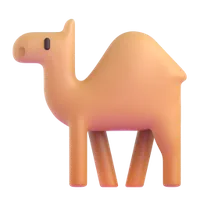 | ج | جَمَل | camel | |
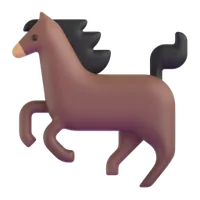 | ح | حِصَان | horse | |
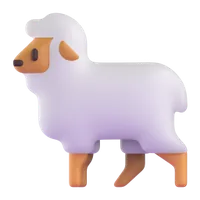 | خ | خَرُوف | sheep | |
 | د | دُبّ | bear | |
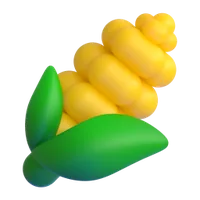 | ذ | ذُرَة | corn | |
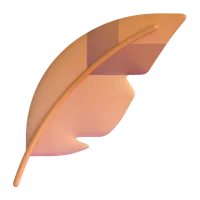 | ر | رِيشَة | feather | |
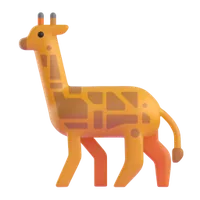 | ز | زَرَافَة | giraffe | |
 | س | سَمَكَة | fish | |
 | ش | شَمْس | sun | |
 | ص | صَارُوخ | rocket | |
 | ض | ضِفْدَع | frog | |
 | ط | طَائِرَة | aeroplane | |
 | ظ | ظَرْف | envelope | |
 | ع | عِنَب | grapes | |
 | غ | غَيْمَة | cloud | |
 | ف | فِيل | elephant | |
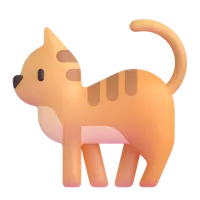 | ق | قِطَّة | cat | |
 | ك | كُرَة | ball | |
 | ل | لَيْمُون | lemon | |
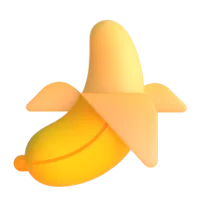 | م | مَوْز | banana | |
 | ن | نَحْلَة | bee | |
 | ه | هِلَال | crescent moon | |
 | و | وَرْدَة | rose | |
 | ي | يَد | hand |
The Arabic alphabet for kids has 28 letters, called الحروف الهجائية (al-ḥurūf al-hijāʾiyya). On this page each letter has one picture word that starts with it: أ for أَرْنَب (rabbit), ب for بَطَّة (duck), ج for جَمَل (camel) and so on to ي for يَد (hand). Tap a card to hear the letter and its word in clear Modern Standard Arabic, then play Find it and let Golu ask for letters one by one.
Alif, ba, ta: the order children learn
Children learn the letters in the hijāʾī order, which groups letters by shape: أ ب ت ث ج ح خ د ذ ر ز س ش ص ض ط ظ ع غ ف ق ك ل م ن ه و ي. That is why the alphabet is often called "alif, ba, ta". Notice that ب, ت and ث share the same body and differ only in their dots: one dot below, two above, three above. The same is true of ج ح خ. Pointing out the dots is one of the best early tips: "Same shape, count the dots!"
Why Arabic letters change shape
Arabic is written from right to left, and most letters join to the next one, so each letter has up to four forms: alone, at the start, in the middle and at the end of a word. For example, ب alone becomes بـ at the start of بَطَّة. Six letters, ا د ذ ر ز و, never join to the letter after them, which is why words like وَرْدَة (rose) have small gaps. The cards on this page show each letter in its separate form, which is how children meet them first. Joining comes later, usually at 5 or 6.
| Mark | Name | Sound | Example |
|---|---|---|---|
| بَ | fatḥa | short "a" | ba |
| بِ | kasra | short "i" | bi |
| بُ | ḍamma | short "u" | bu |
| بْ | sukūn | no vowel | b |
| بّ | shadda | doubled letter | bb |
These vowel marks, الحركات, are what children read first in KG2. Our picture words carry full marks, the same way children's books do. Later, in KG2 or grade 1, children also meet tanwīn (doubled marks that add an "n", as in كِتَابٌ) and the "sun and moon letters", which decide whether the ل of ال is heard: القَمَر (al-qamar, the moon) but الشَّمْس (ash-shams, the sun). There is no need to rush these with a preschooler.
Sounds English speakers find new
Several Arabic letters have no English match, and children in English-speaking or Indian homes need to hear them many times. ح (ḥāʾ, in حِصَان, horse) is a breathy h from the throat. ع (ʿayn, in عِنَب, grapes) is a squeezed throat sound. خ (khāʾ, in خَرُوف, sheep) is like the "ch" in Scottish "loch", and غ (ghayn, in غَيْمَة, cloud) is its voiced partner. The "heavy" letters ص ض ط ظ are said with a fuller mouth. ق (qāf, in قِطَّة, cat) is a k from far back in the throat. Let the audio model these; do not correct a young child sharply. Accuracy grows with listening.
Teaching the Arabic alphabet by age
- Age 3-4: Listen and sing. Learn 5-8 letters with their pictures, perhaps the letters in your child's name.
- Age 4-5 (KG1): Name and recognise most letters, hear the first sound of words, and trace big shapes in sand or with a finger.
- Age 5-6 (KG2): Read letters with fatḥa, kasra and ḍamma, then join two or three letters into simple words like بَاب (door).
Many families also use a traditional primer such as the Qaida alongside school books. The letter names and marks there are the same ones used here, so the games make good extra practice.
Arabic alphabet activities at home
- Letter of the day. Say "حرف الشين! شَمْس" ("The letter shīn! Sun") and look out of the window.
- Dot detective. Show ب ت ث and ask your child to count the dots.
- Name letters. Find the first letter of each family member's name.
- Tracing. Write big letters in flour or sand, starting from the right.
- Print this page. The letter chart and word list print cleanly from your browser for a wall poster.
Keep sessions short, five minutes is plenty for a three-year-old, and stop while your child still wants more. For children who also learn Urdu, the Urdu alphabet uses these same letters plus extra ones such as پ and چ. For English letters, see ABCD for kids.
الحروف الهجائية العربية للأطفال
الحروف الهجائية العربية ثمانية وعشرون حرفًا، تبدأ بالألف وتنتهي بالياء. في هذه الصفحة لكل حرف صورة وكلمة سهلة: أ أرنب، ب بطة، ت تفاحة، ج جمل. يلمس الطفل الحرف فيسمعه بصوت واضح، ثم يلعب لعبة البحث عن الحرف.
ابدؤوا بأسماء الحروف وأصواتها، ثم بالحركات: الفتحة والكسرة والضمة. لاحظوا مع الطفل النقاط التي تفرّق بين الحروف المتشابهة مثل الباء والتاء والثاء. العبوا بضع دقائق كل يوم، واكتبوا الحروف بالإصبع على الرمل، وشجّعوا الطفل على كل محاولة.
When the letters feel familiar, move on to numbers in Arabic or animals name in Arabic, where many of these picture words appear again.
How to use this page at home
Say it, then find it
Play for a few minutes, then look for the same thing away from the screen: arabic words on the shelf, in the kitchen, on the way to school. A child learns a word properly when they meet it twice, once on the screen and once in their hand.
Ten minutes is enough
Short and happy beats long and tired. Stop while your child still wants more, and come back tomorrow: the same page on five short days teaches far more than one long sitting. Nothing here is scored, so there is no reason to push.
Use both languages
Tap the language button at the top to hear the words in your home language first and the second language after. Hearing the same picture named in two languages is one of the few things research agrees builds attention as well as vocabulary.