Urdu alphabet chart with pictures
39 letters · tap 🔊 to hear each one.
| Picture | Letter | Word | Meaning | Listen |
|---|---|---|---|---|
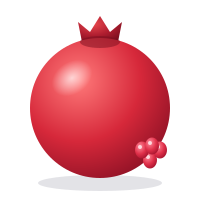
| ا | انار | pomegranate | ||
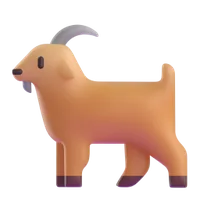 | ب | بکری | goat | |
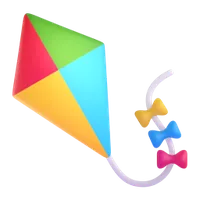 | پ | پتنگ | kite | |
 | ت | تتلی | butterfly | |
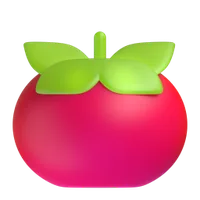 | ٹ | ٹماٹر | tomato | |
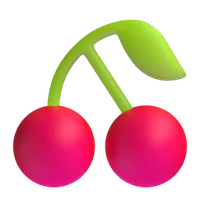 | ث | ثمر | fruit | |
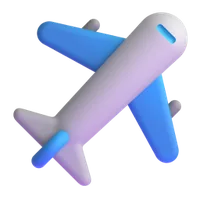 | ج | جہاز | aeroplane | |
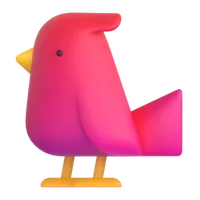 | چ | چڑیا | sparrow | |
| ح | حلوہ | halwa (sweet dish) | ||
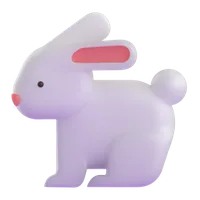 | خ | خرگوش | rabbit | |
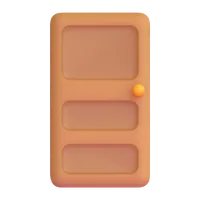 | د | دروازہ | door | |
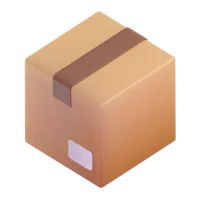 | ڈ | ڈبہ | box | |
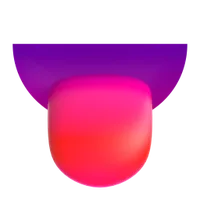 | ذ | ذائقہ | taste | |
 | ر | ریل | train | |
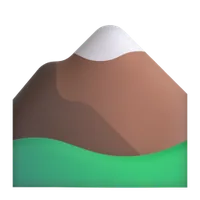 | ڑ | پہاڑ | mountain (ڑ comes at the end) | |
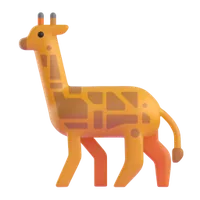 | ز | زرافہ | giraffe | |
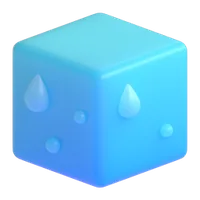 | ژ | ژالہ | hail | |
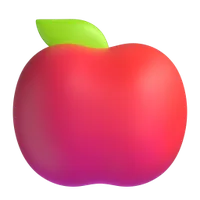 | س | سیب | apple | |
 | ش | شیر | lion | |
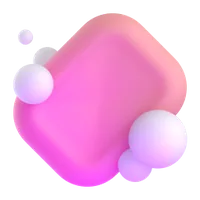 | ص | صابن | soap | |
| ض | ضعیف | old person | ||
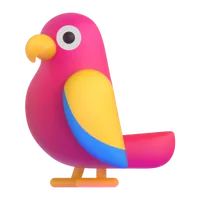 | ط | طوطا | parrot | |
 | ظ | ظرف | bowl | |
 | ع | عینک | glasses | |
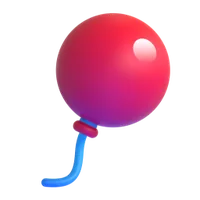 | غ | غبارہ | balloon | |
 | ف | فوارہ | fountain | |
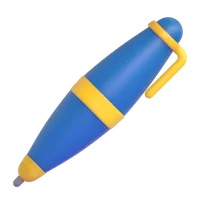 | ق | قلم | pen | |
 | ک | کتاب | book | |
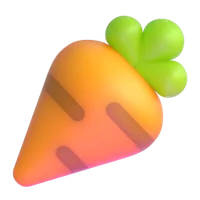 | گ | گاجر | carrot | |
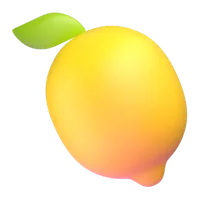 | ل | لیموں | lemon | |
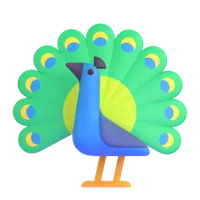 | م | مور | peacock | |
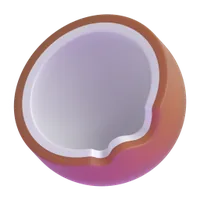 | ن | ناریل | coconut | |
| ں | ماں | mother (ں comes at the end) | ||
| و | وردی | uniform | ||
 | ہ | ہاتھی | elephant | |
 | ھ | بھالو | bear (ھ joins with ب) | |
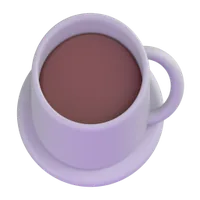 | ء | چائے | tea (ء sits in the middle) | |
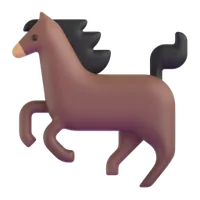 | ی | یکہ | horse cart | |
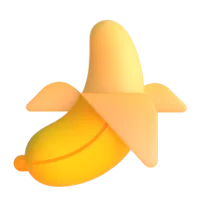 | ے | کیلے | bananas (ے comes at the end) |
The Urdu alphabet for kids, called حروفِ تہجی (ḥurūf-e-tahajjī), is usually taught with a picture for every letter, just like on this page. Your child will meet the classic chant الف سے انار (alif se anār, "alif for pomegranate"), ب سے بکری (be se bakrī, goat), پ سے پتنگ (pe se patang, kite) and on through the letters. Tap a card to hear the letter name and its word in clear audio, then play Find it and let Golu ask for letters one by one.
How many letters are in the Urdu alphabet?
Different books count between 36 and 39 letters, depending on whether they include ں (nūn ghunna), ھ (do-chashmī he), ء (hamza) and ے (baṛī ye) as separate letters. This page follows the full school chart with 39 cards, so your child sees every shape they will meet in a qaida. None of these counts is wrong; just follow the one your child's school uses.
Letter families: learn shapes by their dots
Urdu letters come in families that share one body and differ by dots or marks. Teaching them in families is one of the fastest ways to learn:
| Family | Letters | What changes |
|---|---|---|
| be family | ب پ ت ٹ ث | dots below or above, or a small ط on ٹ |
| jīm family | ج چ ح خ | one dot, three dots, no dot, dot above |
| dāl family | د ڈ ذ | plain, small ط, one dot |
| re family | ر ڑ ز ژ | plain, small ط, one dot, three dots |
| sīn family | س ش | no dots, three dots |
| kāf family | ک گ | one line or two lines on top |
The small ط sign marks the "hard" retroflex sounds of South Asia: ٹ in ٹماٹر (ṭamāṭar, tomato), ڈ in ڈبہ (ḍabba, box) and ڑ in پہاڑ (pahāṛ, mountain). These letters do not exist in Arabic. Letters like پ چ ژ گ came into Urdu from Persian.
Letters that need extra care
- ھ do-chashmī he ("two-eyed he") makes the breathy sounds bh, ph, kh, gh. It never starts a word; it joins another letter, as in بھالو (bhālū, bear).
- ں nūn ghunna is a nasal sound at the end of a word, as in ماں (mā̃, mother).
- ڑ never starts a word, which is why our card uses پہاڑ, where it comes at the end.
- ی choṭī ye and ے baṛī ye: the "small" and "big" ye. Baṛī ye sits at the end of words like کیلے (bananas).
- Same sound, different letters. ز ذ ض ظ all sound "z", and س ص ث all sound "s", because they came from Arabic words. Children learn which one to use word by word, over years.
Joining letters and the Nastaliq script
Urdu is written right to left, and most letters join to the next one, changing shape as they do. Nastaliq writing also slopes downward from right to left, which makes it beautiful but a little harder for beginners to read than printed Arabic. That is why young children first learn each letter in its full, separate form, as on these cards, and only start joining around age 5, often with two-letter words like اب or گھر. Letters that never join the next one, such as ا د ر و, are good to point out early.
How to teach Urdu letters at home
- Chant the qaida. الف سے انار، ب سے بکری، پ سے پتنگ: rhythm helps memory.
- One family a week. Learn ب پ ت ٹ ث together and count the dots.
- Find the first letter. س سے سیب: hold an apple and trace س in the air.
- Trace big. Write letters in sand, rice or with a wet finger on a table, starting from the right.
- Print this page. The letter chart prints cleanly from your browser for a wall poster.
Children who know the Arabic alphabet already know most Urdu shapes. Show them the "new" letters, پ ٹ چ ڈ ڑ ژ گ, as a fun set of extras. Children who read Hindi can compare with the Hindi varnamala: ب and ब make the same sound.
What to expect by age
At 3-4, children listen, chant and learn 5-10 letters with pictures. At 4-5 (nursery or prep), they recognise most letter names and the first sound of familiar words. At 5-6 (class 1), they read short joined words and begin writing. Keep sessions to five or ten minutes, praise effort with a warm شاباش, and stop while your child still wants more.
بچوں کے لیے اردو حروفِ تہجی
اس صفحے پر ہر حرف کے ساتھ ایک تصویر اور ایک آسان لفظ ہے: الف سے انار، ب سے بکری، پ سے پتنگ، ت سے تتلی۔ بچہ حرف کو چھوتا ہے، اس کا نام سنتا ہے اور پھر کھیل میں اسے ڈھونڈتا ہے۔
حروف کو خاندانوں میں سکھائیں، جیسے ب، پ، ت، ٹ، ث، اور بچے کے ساتھ نقطے گنیں۔ روزانہ چند منٹ قاعدہ پڑھیں، ریت یا چاول پر انگلی سے حروف لکھیں، اور ہر کوشش پر بچے کی حوصلہ افزائی کریں۔
How to use this page at home
Say it, then find it
Play for a few minutes, then look for the same thing away from the screen: urdu words on the shelf, in the kitchen, on the way to school. A child learns a word properly when they meet it twice, once on the screen and once in their hand.
Ten minutes is enough
Short and happy beats long and tired. Stop while your child still wants more, and come back tomorrow: the same page on five short days teaches far more than one long sitting. Nothing here is scored, so there is no reason to push.
Use both languages
Tap the language button at the top to hear the words in your home language first and the second language after. Hearing the same picture named in two languages is one of the few things research agrees builds attention as well as vocabulary.