Fruits in Arabic: word list with pictures
30 words · tap 🔊 to hear each one in Arabic.
| Picture | English | Arabic | Say it | Listen |
|---|---|---|---|---|
 | Mango | مَانْجُو | mānjū | |
 | Banana | مَوْز | mawz | |
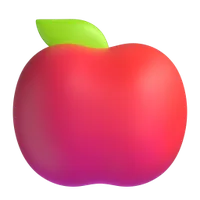 | Apple | تُفَّاحَة | tuffāḥa | |
 | Orange | بُرْتُقَالَة | burtuqāla | |
 | Grapes | عِنَب | ʿinab | |
 | Watermelon | بِطِّيخ | biṭṭīkh | |
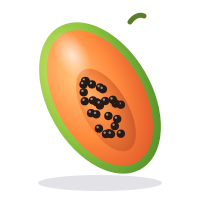 | Papaya | بَابَايَا | bābāyā | |
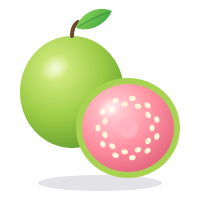 | Guava | جَوَافَة | jawāfa | |
 | Pineapple | أَنَانَاس | anānās | |
 | Strawberry | فَرَاوْلَة | farāwla | |
 | Cherry | كَرَز | karaz | |
 | Lemon | لَيْمُون | laymūn | |
 | Coconut | جَوْزُ الهِنْد | jawz al-hind | |
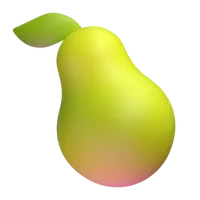 | Pear | كُمَّثْرَى | kummathrā | |
 | Pomegranate | رُمَّان | rummān | |
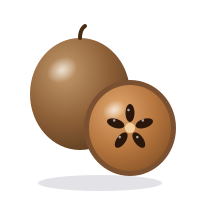 | Sapodilla | شِيكُو | shīkū | |
 | Peach | خَوْخ | khawkh | |
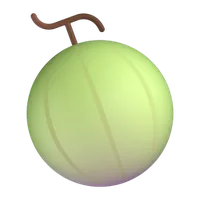 | Muskmelon | شَمَّام | shammām | |
 | Kiwi | كِيوِي | kīwī | |
 | Green Apple | تُفَّاحَةٌ خَضْرَاء | tuffāḥa khaḍrāʾ | |
 | Blueberry | تُوتٌ أَزْرَق | tūt azraq | |
 | Lime | لَيْمُونٌ أَخْضَر | laymūn akhḍar | |
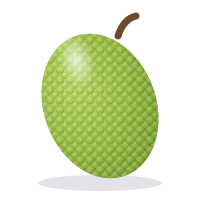 | Jackfruit | فَاكِهَةُ الجَاك | fākihat al-jāk | |
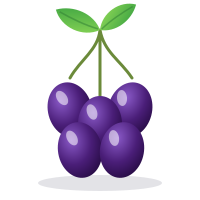 | Java Plum | جَامُون | jāmūn | |
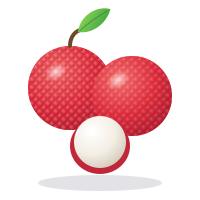 | Lychee | لِيتْشِي | lītshī | |
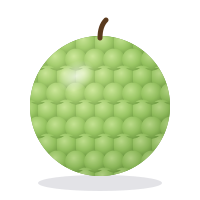 | Custard Apple | قِشْطَة | qishṭa | |
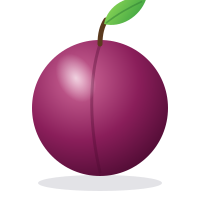 | Plum | بَرْقُوق | barqūq | |
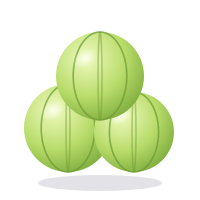 | Indian Gooseberry | أَمْلَا | amlā | |
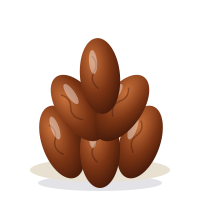 | Dates | تَمْر | tamr | |
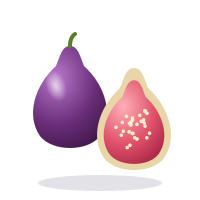 | Fig | تِين | tīn |
Fruits name in Arabic is a sweet place to start, quite literally: your child can see, hold and taste every word. This page has 30 fruits with pictures and clear Modern Standard Arabic audio, including تَمْر (tamr, dates), تُفَّاحَة (tuffāḥa, apple), مَوْز (mawz, banana), بُرْتُقَالَة (burtuqāla, orange) and بِطِّيخ (biṭṭīkh, watermelon). Tap a picture to hear its name in Arabic and English, then play Find it.
First fruits to learn in Arabic
Begin with fruit you eat at home. For many families that means تُفَّاحَة (apple), مَوْز (banana), بُرْتُقَالَة (orange), عِنَب (ʿinab, grapes) and تَمْر (dates). Add فَرَاوْلَة (farāwla, strawberry), لَيْمُون (laymūn, lemon), مَانْجُو (mānjū, mango) and بِطِّيخ in summer. Say the name every time you peel, wash or share the fruit, and your child will link the word to the taste.
A helpful tip: some fruit words in Arabic describe one piece, others the whole kind. تُفَّاح is apples in general, تُفَّاحَة is one apple. The ending ـة often marks "one". Children pick this up by hearing it, so there is no need to teach it.
Dates, figs and pomegranates: fruits with a story
Some fruits are woven into Arab culture and history. Dates (تَمْر) grow on palm trees across Arabia and North Africa. They are a staple food, offered to guests with Arabic coffee, and in Ramadan many families break the fast with a date and water at iftar. Saudi Arabia, Egypt and the UAE grow hundreds of varieties. Figs (تِين, tīn), pomegranates (رُمَّان, rummān) and grapes (عِنَب) have been grown in the region for thousands of years and appear in poetry and religious texts. Talking about where fruit grows makes the words richer and more memorable.
Fruit words Arabic shares with other languages
Some fruit names travelled. لَيْمُون gave English "lemon", and بُرْتُقَال (orange) comes from "Portugal", because traders brought sweet oranges from there. Several words in the game are borrowed into Arabic: مَانْجُو (mango), بَابَايَا (papaya), كِيوِي (kiwi) and أَنَانَاس (pineapple). Families from India and Pakistan will notice جَامُون (jamun) and أَمْلَا (amla), which keep their South Asian names. Many Urdu fruit names also come from Arabic or Persian, so bilingual Urdu-Arabic children can compare with fruits name in Urdu.
| Colour | Fruits in the game |
|---|---|
| Red أحمر | فَرَاوْلَة، كَرَز، رُمَّان، تُفَّاحَة |
| Yellow أصفر | مَوْز، لَيْمُون، أَنَانَاس، مَانْجُو |
| Green أخضر | تُفَّاحَةٌ خَضْرَاء، لَيْمُونٌ أَخْضَر، كِيوِي، جَوَافَة |
| Purple and brown | عِنَب، بَرْقُوق، تِين، تَمْر |
Use this with the colours in Arabic page for a fruit-and-colour sorting game.
How to teach fruit names in Arabic at home
- Snack choice. Offer two fruits: تفاحة أم موزة؟ (apple or banana?). Your child names the one they want.
- Market trip. Name fruit in the souq or supermarket and count them into the bag with numbers in Arabic.
- Feely bag. Hide a fruit in a cloth bag: ما هذا؟ (what is this?).
- Fruit salad. Your child names each fruit as it goes into the bowl.
- Share with guests. Let your child offer dates to visitors and say تفضّل (please, help yourself), a warm Arab hospitality habit.
At the table, practise offering and eating with the right hand, as many Arab families teach, while you name each fruit.
What to expect by age
At 2-3, children learn 4-6 fruit names from daily snacks and point to them in Find it. At 3-4, they name 10-15 fruits and match them to colours. At 4-5, they say simple sentences like أحب الموز (I like bananas). At 5-6, they can read short vowelled words such as تِين and مَوْز. Keep sessions short and play together; under-twos learn fruit best by holding and tasting the real thing. For Hindi and English names, see fruits name in Hindi and English, and continue with vegetables name in Arabic.
Fruit, sharing and good manners
Fruit time is a natural moment to practise polite Arabic words. Teach your child to say من فضلك (please) when asking for fruit and شكرًا (thank you) when receiving it. Many families also teach children to say بسم الله before eating and الحمد لله after, and to share a plate of fruit with siblings and guests. These small routines give the fruit words a warm, everyday setting. If your child is a picky eater, let them wash and arrange the fruit first; children are more likely to taste something they have handled and named.
أسماء الفواكه للأطفال بالعربية
في هذه الصفحة ثلاثون فاكهة مع صورة وصوت واضح: التمر والتفاح والموز والبرتقال والعنب والبطيخ والرمان والتين، وفواكه استوائية مثل المانجو والجوافة والأناناس.
أفضل طريقة لتعلّم أسماء الفواكه هي المطبخ والسوق. دعوا الطفل يختار فاكهته باسمها، ويعدّ الحبات، ويذكر ألوانها. وحدّثوه عن النخلة والتمر، وعن تقديم التمر للضيوف، فهكذا تصبح الكلمة جزءًا من حياته اليومية.
How to use this page at home
Say it, then find it
Play for a few minutes, then look for the same thing away from the screen: arabic words on the shelf, in the kitchen, on the way to school. A child learns a word properly when they meet it twice, once on the screen and once in their hand.
Ten minutes is enough
Short and happy beats long and tired. Stop while your child still wants more, and come back tomorrow: the same page on five short days teaches far more than one long sitting. Nothing here is scored, so there is no reason to push.
Use both languages
Tap the language button at the top to hear the words in your home language first and the second language after. Hearing the same picture named in two languages is one of the few things research agrees builds attention as well as vocabulary.