Body parts in Turkish: word list with pictures
30 words · tap 🔊 to hear each one in Turkish.
| Picture | English | Turkish | Say it | Listen |
|---|---|---|---|---|
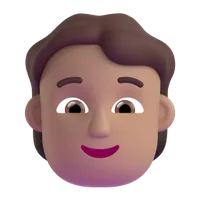 | Head | Baş | ||
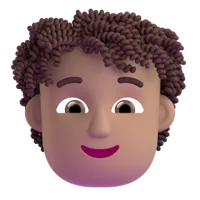 | Hair | Saç | ||
 | Face | Yüz | ||
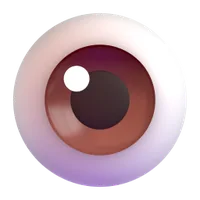 | Eye | Göz | ||
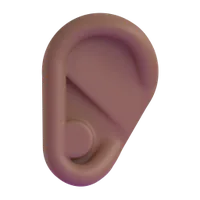 | Ear | Kulak | ||
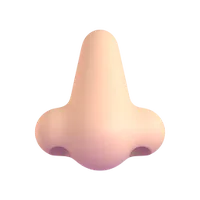 | Nose | Burun | ||
 | Mouth | Ağız | ||
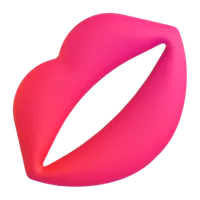 | Lips | Dudaklar | ||
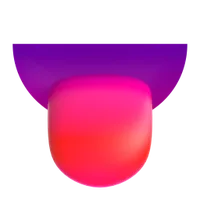 | Tongue | Dil | ||
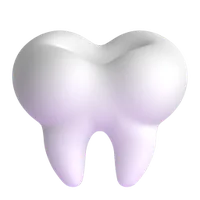 | Teeth | Dişler | ||
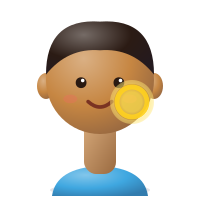 | Cheek | Yanak | ||
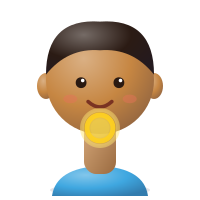 | Chin | Çene | ||
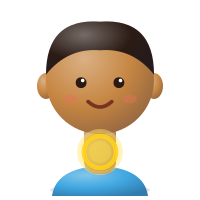 | Neck | Boyun | ||
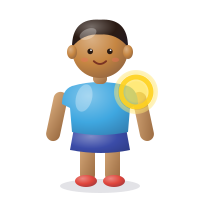 | Shoulder | Omuz | ||
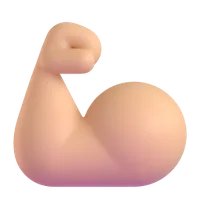 | Arm | Kol | ||
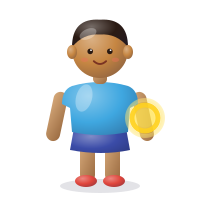 | Elbow | Dirsek | ||
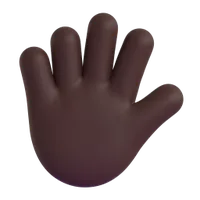 | Hand | El | ||
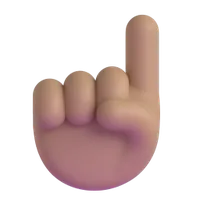 | Finger | Parmak | ||
 | Thumb | Başparmak | ||
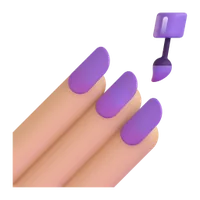 | Nail | Tırnak | ||
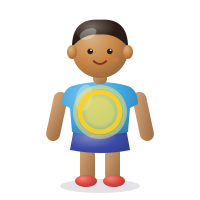 | Tummy | Karın | ||
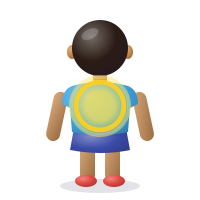 | Back | Sırt | ||
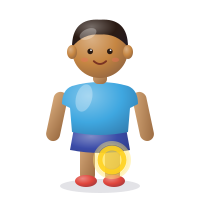 | Knee | Diz | ||
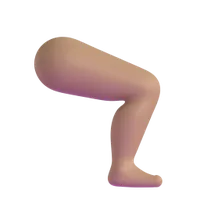 | Leg | Bacak | ||
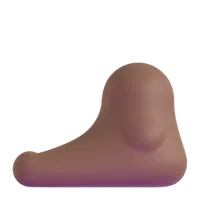 | Foot | Ayak | ||
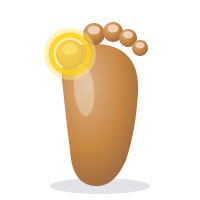 | Toe | Ayak parmağı | ||
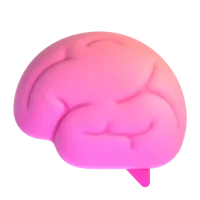 | Brain | Beyin | ||
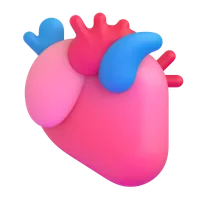 | Heart | Kalp | ||
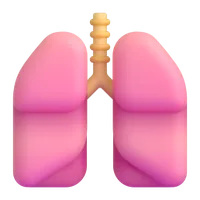 | Lungs | Akciğerler | ||
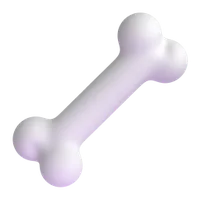 | Bones | Kemikler |
Body parts in Turkish are ideal first words, because your child's own body is the one picture book that goes everywhere. This page has 30 words with pictures and clear audio, from baş (head), göz (eye) and burun (nose) to diz (knee) and ayak (foot), plus four words for inside the body: beyin (brain), kalp (heart), akciğerler (lungs) and kemikler (bones). Tap a picture to hear it in Turkish and English, then touch the same part on yourself.
Start with the face
Babies watch faces from their first weeks, so the face is the natural starting point: göz (eye), burun (nose), ağız (mouth), kulak (ear). Then add saç (hair), yanak (cheek), çene (chin), dudaklar (lips), dil (tongue) and dişler (teeth). Many Turkish body words are short, one or two syllables, which makes them easy for toddlers to say. Grandparents often play by asking "Burnun nerede?" ("Where is your nose?") and gently squeezing it when the child points.
Separate words for hand and arm
Unlike some languages, Turkish keeps these apart, just like English: el is the hand and kol is the arm; ayak is the foot and bacak is the leg. Fingers are parmak, the thumb is başparmak ("head finger") and a toe is ayak parmağı ("foot finger"). The head has two words: baş, used on this page, and the everyday kafa. El (hand) is also one of the very first words Turkish first graders read, since it uses the first sounds they learn, e and l.
"My nose, your nose": body words with endings
Turkish shows "my" and "your" with endings instead of separate words. burun (nose) becomes burnum (my nose) and burnun (your nose); göz becomes gözüm (my eye). Children hear these forms constantly: "Elini yıka!" ("Wash your hand!"). There is no need to teach the rule. Use full, natural sentences and your child will pick it up, just as Turkish children do.
Body games at home
- Touch and say. "Burnunu göster!" ("Show your nose!"), then let your child give the orders.
- Head, shoulders, knees and toes. Sing it in Turkish: "Baş, omuz, diz, ayak", getting faster each time.
- Bath time. "Ellerimizi yıkıyoruz, ayaklarımızı yıkıyoruz." Washing is a daily body-word routine.
- Teddy doctor. Check a teddy's karın (tummy), sırt (back) and dirsek (elbow).
- Count. One burun, two göz, ten parmak. Practise with numbers in Turkish; notice there is no plural after a number: iki göz.
Body words help children tell you how they feel: "Karnım ağrıyor" means "My tummy hurts". If you are worried about your child's health, talk to your paediatrician.
Turkish rhymes and games with fingers and toes
Turkish families have their own finger games. A popular one counts the fingers from the thumb as five brothers: one found an egg, one cooked it, one peeled it, one salted it, and the little finger ate it all up. Touch each parmak as you go, and finish with a tickle. Clapping songs and "this little piggy" style toe games work in the same way. They repeat body words many times, and the laughter helps the words stick.
Inside the body
From about 5, children are curious about what is inside. Put a hand on the chest and say "Güm güm, bu kalp" ("Thump thump, this is the heart"). Take a big breath together for akciğerler, and feel the hard kemikler in the arm. Keep it short and full of wonder.
Body words and healthy habits
Body parts naturally lead to good habits: washing eller before eating, brushing dişler morning and night, and covering the ağız when coughing. Our good habits game lets children practise these choices in a gentle, no-fail way.
What to expect, and tips for families abroad
By 2, many children point to eyes, nose and mouth when asked. At 2-3 they name 5-10 body parts; at 3-4 they add omuz, dirsek, diz; at 4-6 they know most of the 30. Abroad, keep one daily care routine, like bath time or brushing teeth, in Turkish, and play "touch your nose" with grandparents on video calls. For English and Hindi names see body parts name, or go back to learn Turkish for kids.
Vücudumuzun bölümleri
Bu sayfada resimli ve sesli 30 kelime var: baş, saç, göz, burun, ağız, el, kol, diz, ayak ve daha fazlası. Bir resme dokunun, çocuğunuz kelimeyi Türkçe ve İngilizce duysun, sonra o bölümü kendi vücudunda göstersin.
Banyoda, giyinirken ve yemekten önce el yıkarken vücut bölümlerinin adlarını söyleyin. "Burnun nerede?" diye sorun ve her denemesi için çocuğunuzu övün.
How to use this page at home
Say it, then find it
Play for a few minutes, then look for the same thing away from the screen: turkish words on the shelf, in the kitchen, on the way to school. A child learns a word properly when they meet it twice, once on the screen and once in their hand.
Ten minutes is enough
Short and happy beats long and tired. Stop while your child still wants more, and come back tomorrow: the same page on five short days teaches far more than one long sitting. Nothing here is scored, so there is no reason to push.
Use both languages
Tap the language button at the top to hear the words in your home language first and the second language after. Hearing the same picture named in two languages is one of the few things research agrees builds attention as well as vocabulary.