Body parts in Arabic: word list with pictures
30 words · tap 🔊 to hear each one in Arabic.
| Picture | English | Arabic | Say it | Listen |
|---|---|---|---|---|
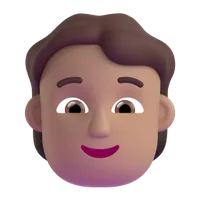 | Head | رَأْس | raʾs | |
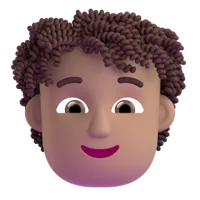 | Hair | شَعْر | shaʿr | |
 | Face | وَجْه | wajh | |
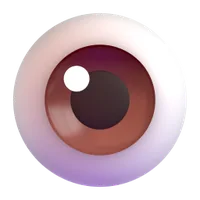 | Eye | عَيْن | ʿayn | |
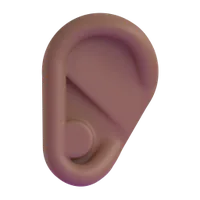 | Ear | أُذُن | udhun | |
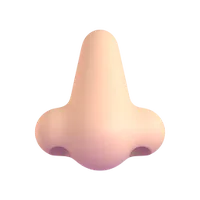 | Nose | أَنْف | anf | |
 | Mouth | فَم | fam | |
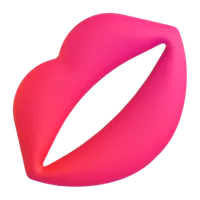 | Lips | شِفَاه | shifāh | |
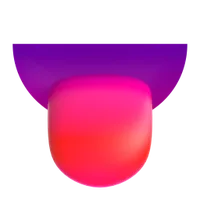 | Tongue | لِسَان | lisān | |
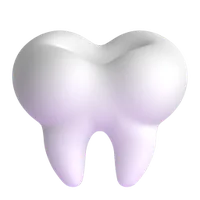 | Teeth | أَسْنَان | asnān | |
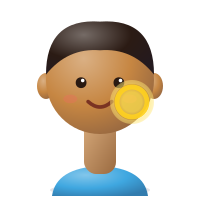 | Cheek | خَدّ | khadd | |
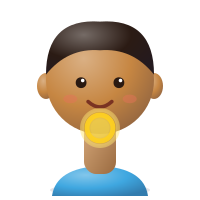 | Chin | ذَقْن | dhaqn | |
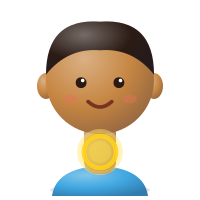 | Neck | رَقَبَة | raqaba | |
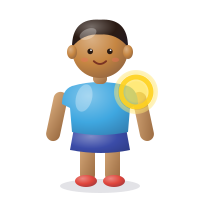 | Shoulder | كَتِف | katif | |
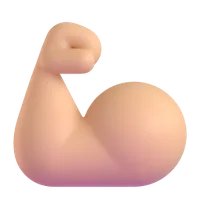 | Arm | ذِرَاع | dhirāʿ | |
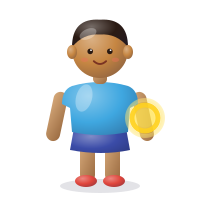 | Elbow | مِرْفَق | mirfaq | |
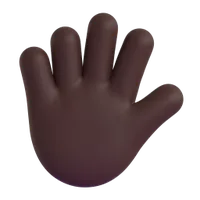 | Hand | يَد | yad | |
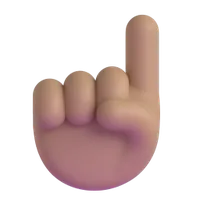 | Finger | إِصْبَع | iṣbaʿ | |
 | Thumb | إِبْهَام | ibhām | |
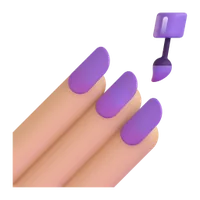 | Nail | ظُفْر | ẓufr | |
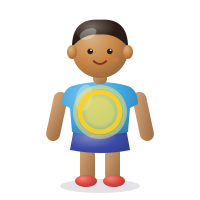 | Tummy | بَطْن | baṭn | |
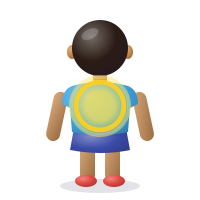 | Back | ظَهْر | ẓahr | |
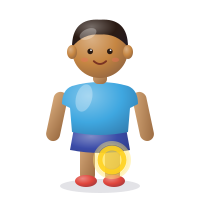 | Knee | رُكْبَة | rukba | |
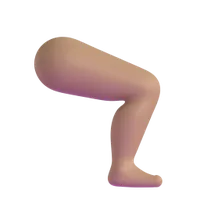 | Leg | سَاق | sāq | |
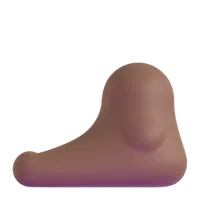 | Foot | قَدَم | qadam | |
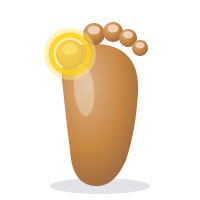 | Toe | إِصْبَعُ القَدَم | iṣbaʿ al-qadam | |
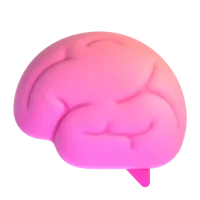 | Brain | دِمَاغ | dimāgh | |
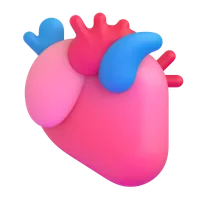 | Heart | قَلْب | qalb | |
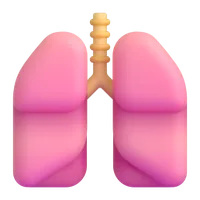 | Lungs | رِئَتَان | riʾatān | |
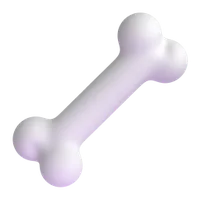 | Bones | عِظَام | ʿiẓām |
Body parts in Arabic are words children learn with their whole body: pointing, touching and wiggling. This page has 30 body parts with pictures and clear Modern Standard Arabic audio, from رَأْس (raʾs, head) and وَجْه (wajh, face) to يَد (yad, hand) and قَدَم (qadam, foot), plus inside parts like قَلْب (qalb, heart). Tap a picture to hear its name in Arabic and English, then play Find it.
Parts of the face in Arabic
Start in front of a mirror. The face words are short and clear: عَيْن (ʿayn, eye), أُذُن (udhun, ear), أَنْف (anf, nose), فَم (fam, mouth), شِفَاه (shifāh, lips), لِسَان (lisān, tongue), أَسْنَان (asnān, teeth), خَدّ (khadd, cheek), ذَقْن (dhaqn, chin) and شَعْر (shaʿr, hair). Ask أين أنفك؟ (ayna anfuka?, where is your nose?) and let your child point. Then swap roles.
A lovely fact for letter learners: عَيْن, eye, is also the name of the letter ع. And لِسَان, tongue, also means "language" in Arabic, just as "tongue" can in English.
Arms, legs and the rest of the body
Next come رَقَبَة (raqaba, neck), كَتِف (katif, shoulder), ذِرَاع (dhirāʿ, arm), مِرْفَق (mirfaq, elbow), يَد (hand), إِصْبَع (iṣbaʿ, finger), إِبْهَام (ibhām, thumb), ظُفْر (ẓufr, nail), بَطْن (baṭn, tummy), ظَهْر (ẓahr, back), رُكْبَة (rukba, knee), سَاق (sāq, leg) and قَدَم (foot). A toe is إِصْبَعُ القَدَم, "finger of the foot". For older children, the list adds دِمَاغ (dimāgh, brain), قَلْب (heart), رِئَتَان (riʾatān, the two lungs) and عِظَام (ʿiẓām, bones).
Two eyes, two hands: the Arabic dual
Arabic has a special form for exactly two of something, called the dual, and the body is full of pairs. Add -ān to make two: عَيْنَان (two eyes), أُذُنَان (two ears), يَدَان (two hands), قَدَمَان (two feet). The word for lungs in our game, رِئَتَان, is already a dual. Children find this fun: hold up two hands and say يَدَان!
| One | Two (dual) | Meaning |
|---|---|---|
| عَيْن | عَيْنَان | eye, two eyes |
| أُذُن | أُذُنَان | ear, two ears |
| يَد | يَدَان | hand, two hands |
| قَدَم | قَدَمَان | foot, two feet |
| رُكْبَة | رُكْبَتَان | knee, two knees |
Body parts and daily habits
Body words are perfect for routines. اغسل يديك (wash your hands) before meals, نظّف أسنانك (brush your teeth) at night. Many families also mention the traditional miswāk tooth stick as a cultural note. In Muslim homes, children often learn the body parts named in wuḍūʾ, the washing before prayer: hands, mouth, nose, face, arms, head, ears and feet, and they may watch parents do it and copy. Arab families also commonly teach children to eat and to give things with the right hand, اليد اليمنى, which is another natural moment to practise the word يَد.
How to teach body parts in Arabic at home
- Mirror game. Touch and name each face part together.
- Bath time. Name each part as you wash it: الآن القدمان… الآن الظهر.
- Simon says. المس رأسك (touch your head), ارفع يدك (raise your hand).
- Count body parts. One nose, two eyes, ten fingers, with numbers in Arabic.
- Say what hurts. Teach بطني يؤلمني (my tummy hurts), so your child can tell you or a teacher.
Nasheed-style action songs, with voice and clapping only, are a popular way to learn body parts in many Arab kindergartens.
What to expect by age
At 2-3, children point to 5-8 parts when you name them: eyes, nose, mouth, hands, feet. At 3-4, they name 10-15 parts and follow simple instructions. At 4-5, they learn elbows, shoulders and knees and say what hurts. At 5-6, children are curious about the heart and bones and can read short vowelled words such as يَد and فَم. Knowing body words, including correct names for private parts in whichever language feels right in your family, helps children stay safe and tell a trusted adult if something is wrong. For Urdu names, compare body parts in Urdu; for Hindi and English, see body parts name in Hindi and English.
أعضاء الجسم للأطفال
في هذه الصفحة ثلاثون عضوًا من أعضاء الجسم مع صورة وصوت واضح: الرأس والوجه والعين والأذن والأنف والفم واليد والقدم، وأيضًا القلب والدماغ والرئتان والعظام.
تعلّم أعضاء الجسم يكون أجمل بالحركة. العبوا أمام المرآة، وسمّوا كل عضو أثناء الاستحمام، وعلّموا الطفل عبارات مفيدة مثل "اغسل يديك" و"بطني يؤلمني". ولاحظوا معه أن كثيرًا من أعضاء الجسم أزواج: عينان وأذنان ويدان وقدمان.
How to use this page at home
Say it, then find it
Play for a few minutes, then look for the same thing away from the screen: arabic words on the shelf, in the kitchen, on the way to school. A child learns a word properly when they meet it twice, once on the screen and once in their hand.
Ten minutes is enough
Short and happy beats long and tired. Stop while your child still wants more, and come back tomorrow: the same page on five short days teaches far more than one long sitting. Nothing here is scored, so there is no reason to push.
Use both languages
Tap the language button at the top to hear the words in your home language first and the second language after. Hearing the same picture named in two languages is one of the few things research agrees builds attention as well as vocabulary.