Body parts in Urdu: word list with pictures
30 words · tap 🔊 to hear each one in Urdu.
| Picture | English | Urdu | Say it | Listen |
|---|---|---|---|---|
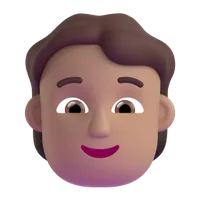 | Head | سر | sar | |
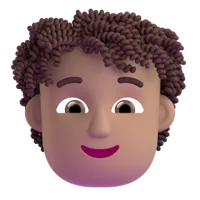 | Hair | بال | bāl | |
 | Face | چہرہ | chehra | |
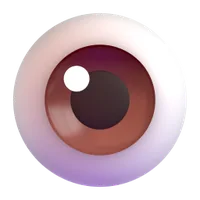 | Eye | آنکھ | ānkh | |
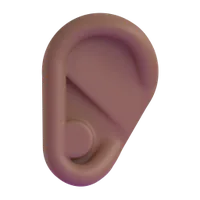 | Ear | کان | kān | |
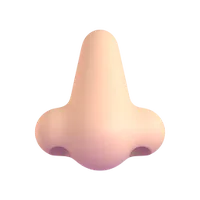 | Nose | ناک | nāk | |
 | Mouth | منہ | munh | |
 | Lips | ہونٹ | hoṇṭ | |
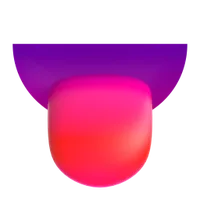 | Tongue | زبان | zabān | |
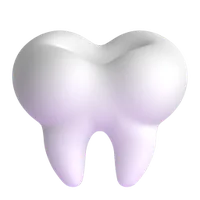 | Teeth | دانت | dānt | |
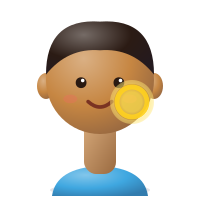 | Cheek | گال | gāl | |
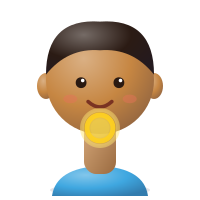 | Chin | ٹھوڑی | ṭhoṛī | |
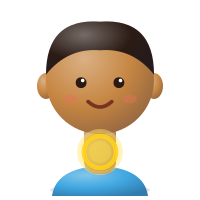 | Neck | گردن | gardan | |
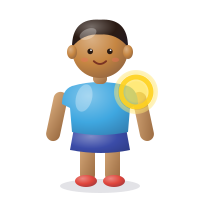 | Shoulder | کندھا | kandhā | |
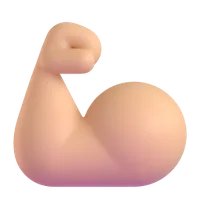 | Arm | بازو | bāzū | |
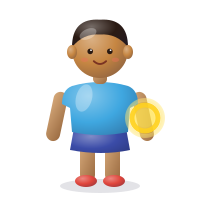 | Elbow | کہنی | kohnī | |
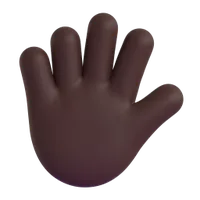 | Hand | ہاتھ | hāth | |
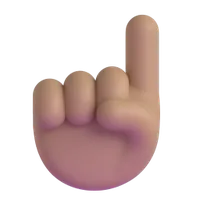 | Finger | انگلی | ungli | |
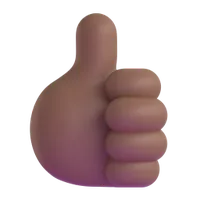 | Thumb | انگوٹھا | angūṭhā | |
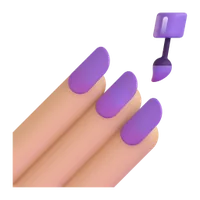 | Nail | ناخن | nākhun | |
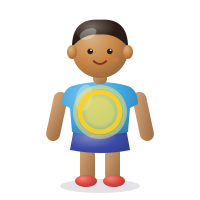 | Tummy | پیٹ | peṭ | |
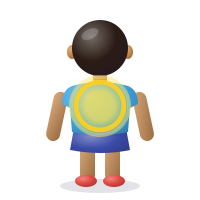 | Back | پیٹھ | pīṭh | |
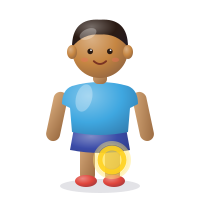 | Knee | گھٹنا | ghuṭnā | |
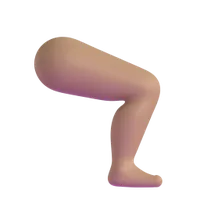 | Leg | ٹانگ | ṭāng | |
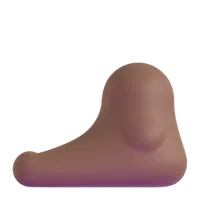 | Foot | پیر | pair | |
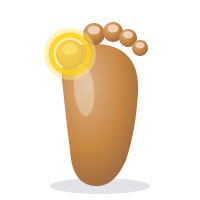 | Toe | پیر کی انگلی | pair kī ungli | |
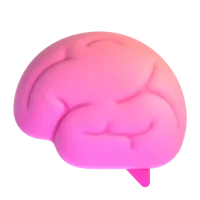 | Brain | دماغ | dimāgh | |
 | Heart | دل | dil | |
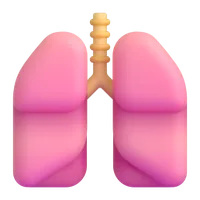 | Lungs | پھیپھڑے | phephṛe | |
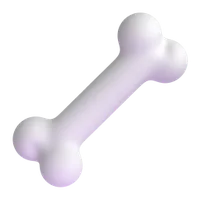 | Bones | ہڈیاں | haḍḍiyān |
Body parts name in Urdu are words children learn fastest by moving: touch your nose, wiggle your fingers, clap your hands. This page has 30 body parts with pictures and clear audio in Urdu and English, from سر (sar, head), آنکھ (ānkh, eye) and ناک (nāk, nose) to ہاتھ (hāth, hand), پیر (pair, foot) and دل (dil, heart). Tap a picture to hear its name, then play Find it.
Parts of the face in Urdu
Start with the face in front of a mirror: چہرہ (chehra, face), آنکھ (eye), کان (kān, ear), ناک (nose), منہ (munh, mouth), ہونٹ (hoñṭ, lips), دانت (dānt, teeth), زبان (zabān, tongue), گال (gāl, cheek), ٹھوڑی (ṭhoṛī, chin) and بال (bāl, hair). Ask تمہاری ناک کہاں ہے؟ (tumhārī nāk kahāñ hai?, where is your nose?) and let your child point, then swap roles and let them test you.
A lovely fact: زبان means both "tongue" and "language" in Urdu. Urdu itself is often lovingly called zabān-e-Urdū.
Arms, legs and the rest of the body
Next come گردن (gardan, neck), کندھا (kandhā, shoulder), بازو (bāzū, arm), کہنی (kohnī, elbow), ہاتھ (hand), انگلی (unglī, finger), انگوٹھا (angūṭhā, thumb), ناخن (nākhun, nail), پیٹ (peṭ, tummy), پیٹھ (pīṭh, back), گھٹنا (ghuṭnā, knee), ٹانگ (ṭāng, leg) and پیر (foot). A toe is پیر کی انگلی, "finger of the foot". For older children, the list adds دماغ (dimāgh, brain), دل (heart), پھیپھڑے (phephṛe, lungs) and ہڈیاں (haḍḍiyāñ, bones).
Watch out for two pairs that sound close: پیٹ (peṭ, tummy) and پیٹھ (pīṭh, back). Pat the tummy, then the back, as you say them, and children soon hear the difference.
Useful everyday phrases
| Urdu | Meaning | When to use it |
|---|---|---|
| ہاتھ دھو لو | Wash your hands | Before meals |
| دانت صاف کرو | Brush your teeth | Morning and bedtime |
| میرے پیٹ میں درد ہے | My tummy hurts | Helps a child say what is wrong |
| آنکھیں بند کرو | Close your eyes | Bedtime, games |
| تالی بجاؤ | Clap your hands | Songs and praise |
In many Urdu-speaking Muslim homes, children also learn body words by watching wuzū, the washing before prayer: hands, mouth, nose, face, arms, head, ears and feet. Families often teach eating and giving with the right hand, دایاں ہاتھ, which is another natural moment to practise ہاتھ.
How to teach body parts in Urdu at home
- Mirror game. Touch and name each part of the face together.
- Bath time. Name each part as you wash it: اب پیر… اب پیٹھ.
- Simon says. سر کو چھوؤ (touch your head), ہاتھ اوپر کرو (hands up).
- Count on the body. One nose, two eyes, ten fingers, with Urdu ginti.
- Action song. Sing "Head, shoulders, knees and toes" in Urdu: سر، کندھے، گھٹنے، پیر.
At bedtime, play "sleepy body": پیر سو گئے، ٹانگیں سو گئیں، ہاتھ سو گئے, relaxing each part until the eyes close too.
What to expect by age
At 2-3, children point to 5-8 parts when you name them: eyes, nose, mouth, hands and feet. At 3-4, they name 10-15 parts and follow simple instructions. At 4-5, they learn elbows, shoulders and knees and can say where it hurts. At 5-6, they are curious about the heart and bones and can read short words like دل and ناک. Knowing body words, including correct names for private parts in whichever language feels right for your family, helps children stay safe and tell a trusted adult if something is wrong. For Arabic names, compare body parts in Arabic; for Hindi and English, see body parts name in Hindi and English. Keep screen sessions short and shared.
بچوں کے لیے جسم کے حصوں کے نام اردو میں
اس صفحے پر جسم کے تیس حصے تصویر اور صاف آواز کے ساتھ ہیں: سر، چہرہ، آنکھ، کان، ناک، منہ، ہاتھ، پیر، اور دل، دماغ، پھیپھڑے اور ہڈیاں بھی۔
جسم کے حصے حرکت کے ساتھ جلدی یاد ہوتے ہیں۔ آئینے کے سامنے کھیلیں، نہاتے وقت ہر حصے کا نام لیں، اور بچے کو مفید جملے سکھائیں جیسے "ہاتھ دھو لو" اور "میرے پیٹ میں درد ہے"، تاکہ وہ اپنی تکلیف بتا سکے۔
How to use this page at home
Say it, then find it
Play for a few minutes, then look for the same thing away from the screen: urdu words on the shelf, in the kitchen, on the way to school. A child learns a word properly when they meet it twice, once on the screen and once in their hand.
Ten minutes is enough
Short and happy beats long and tired. Stop while your child still wants more, and come back tomorrow: the same page on five short days teaches far more than one long sitting. Nothing here is scored, so there is no reason to push.
Use both languages
Tap the language button at the top to hear the words in your home language first and the second language after. Hearing the same picture named in two languages is one of the few things research agrees builds attention as well as vocabulary.