Chinese alphabet chart with pictures
40 letters · tap 🔊 to hear each one.
| Picture | Letter | Word | Meaning | Listen |
|---|---|---|---|---|
 | 人 | 大人 | grown-up | |
 | 口 | 口罩 | face mask | |
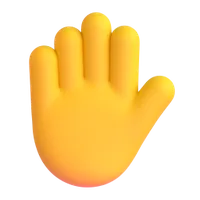 | 手 | 小手 | little hand | |
 | 牙 | 牙齿 | tooth | |
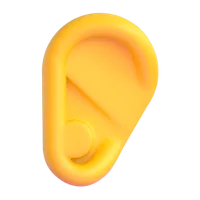 | 耳 | 耳朵 | ear | |
 | 日 | 日出 | sunrise | |
 | 月 | 月亮 | moon | |
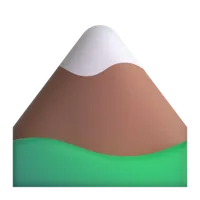 | 山 | 高山 | high mountain | |
 | 水 | 水滴 | water drop | |
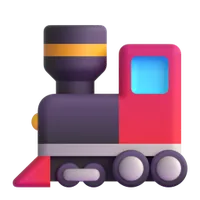 | 火 | 火车 | train | |
 | 大 | 大象 | elephant | |
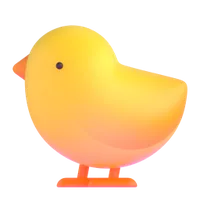 | 小 | 小鸡 | chick | |
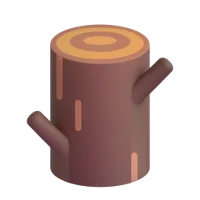 | 木 | 木头 | wood | |
 | 天 | 天空 | sky | |
 | 云 | 白云 | white cloud | |
 | 雨 | 雨伞 | umbrella | |
 | 田 | 稻田 | rice field | |
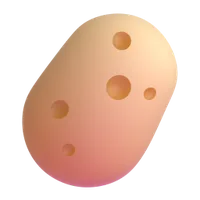 | 土 | 土豆 | potato | |
 | 花 | 花朵 | flower | |
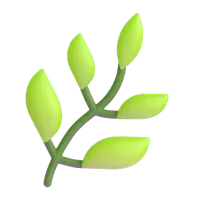 | 草 | 小草 | grass | |
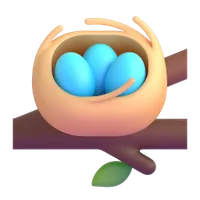 | 鸟 | 鸟窝 | bird's nest | |
 | 鱼 | 小鱼 | little fish | |
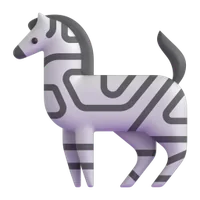 | 马 | 斑马 | zebra | |
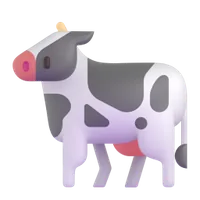 | 牛 | 奶牛 | cow | |
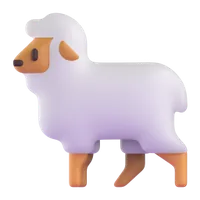 | 羊 | 绵羊 | sheep | |
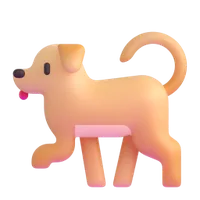 | 狗 | 小狗 | puppy | |
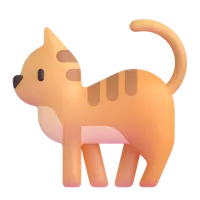 | 猫 | 小猫 | kitten | |
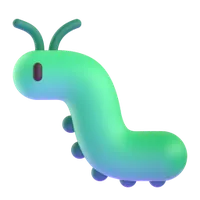 | 虫 | 虫子 | bug | |
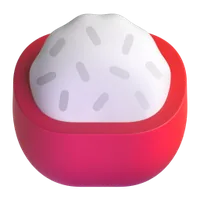 | 米 | 米饭 | cooked rice | |
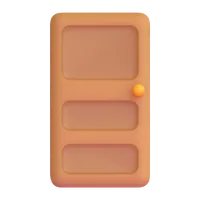 | 门 | 开门 | open the door | |
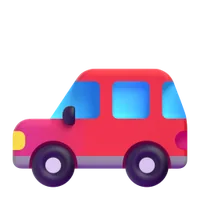 | 车 | 汽车 | car | |
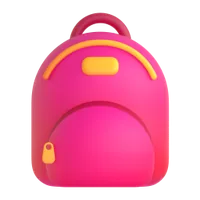 | 书 | 书包 | school bag | |
 | 爸 | 爸爸 | dad | |
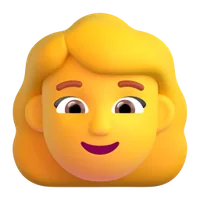 | 妈 | 妈妈 | mum | |
 | 上 | 向上 | upward | |
 | 下 | 下雨 | raining | |
 | 星 | 星星 | star | |
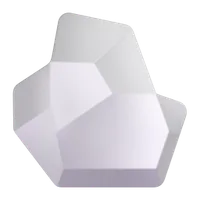 | 石 | 石头 | stone | |
 | 足 | 足球 | football | |
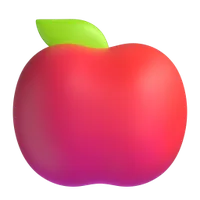 | 果 | 苹果 | apple |
Parents often search for a Chinese alphabet for kids, and the honest answer is that Chinese has no alphabet. Written Chinese uses characters (汉字, hànzì), and each character is a whole syllable with a meaning. What children learn instead is a small set of first characters plus pinyin, the Latin-letter system that shows how each character sounds. This page gives your child 40 of the first characters taught to young learners, each with pinyin, a picture word and clear Mandarin audio.
Is there a Chinese alphabet?
No. English has 26 letters that combine into words; Chinese has thousands of characters, and a child needs around 2,500 of them to read a newspaper. That sounds scary, but nobody learns them like an alphabet chart. Chinese children start with a handful of simple, picture-like characters, learn pinyin in the first year of primary school (about age six), and add characters a few at a time for years. Your child is doing exactly what they do when they play this game.
Pinyin itself uses the Roman alphabet, with 23 initials (like b, p, m, f, zh, ch, sh) and about 24 basic finals (like a, o, e, i, u, ü, ai, ang). A syllable is an initial plus a final plus a tone: m + a + ˉ = mā.
The 40 first Chinese characters on this page
The characters are grouped so they tell a story. Tap any one to hear it and see the picture word that goes with it.
| Group | Characters (pinyin) | Picture words |
|---|---|---|
| My body | 人 口 手 牙 耳 足 (rén, kǒu, shǒu, yá, ěr, zú) | 大人、小手、牙齿、耳朵、足球 |
| Sky and nature | 日 月 天 云 雨 星 山 水 火 石 土 田 | 日出、月亮、白云、雨伞、星星 |
| Plants | 木 花 草 果 米 (mù, huā, cǎo, guǒ, mǐ) | 花朵、小草、苹果、米饭 |
| Animals | 鸟 鱼 马 牛 羊 狗 猫 虫 | 斑马、奶牛、绵羊、小猫 |
| Home and family | 爸 妈 门 车 书 (bà, mā, mén, chē, shū) | 爸爸、妈妈、汽车、书包 |
| Opposites | 大 小 上 下 (dà, xiǎo, shàng, xià) | 大象、小鸡、下雨 |
Notice how one character builds many words: 火 (fire) appears in 火车 (train, literally "fire vehicle"), and 马 (horse) appears in 斑马 (zebra, "striped horse"). Children love these little puzzles.
Chinese characters chart with pinyin
| Character | Pinyin | Picture word | Word pinyin | Meaning |
|---|---|---|---|---|
| 人 | rén | 大人 | dàrén | grown-up |
| 口 | kǒu | 口罩 | kǒuzhào | face mask |
| 手 | shǒu | 小手 | xiǎoshǒu | little hand |
| 牙 | yá | 牙齿 | yáchǐ | tooth |
| 耳 | ěr | 耳朵 | ěrduo | ear |
| 日 | rì | 日出 | rìchū | sunrise |
| 月 | yuè | 月亮 | yuèliang | moon |
| 山 | shān | 高山 | gāoshān | high mountain |
| 水 | shuǐ | 水滴 | shuǐdī | water drop |
| 火 | huǒ | 火车 | huǒchē | train |
| 大 | dà | 大象 | dàxiàng | elephant |
| 小 | xiǎo | 小鸡 | xiǎojī | chick |
| 木 | mù | 木头 | mùtou | wood |
| 天 | tiān | 天空 | tiānkōng | sky |
| 云 | yún | 白云 | báiyún | white cloud |
| 雨 | yǔ | 雨伞 | yǔsǎn | umbrella |
| 田 | tián | 稻田 | dàotián | rice field |
| 土 | tǔ | 土豆 | tǔdòu | potato |
| 花 | huā | 花朵 | huāduǒ | flower |
| 草 | cǎo | 小草 | xiǎocǎo | grass |
| 鸟 | niǎo | 鸟窝 | niǎowō | bird's nest |
| 鱼 | yú | 小鱼 | xiǎoyú | little fish |
| 马 | mǎ | 斑马 | bānmǎ | zebra |
| 牛 | niú | 奶牛 | nǎiniú | cow |
| 羊 | yáng | 绵羊 | miányáng | sheep |
| 狗 | gǒu | 小狗 | xiǎogǒu | puppy |
| 猫 | māo | 小猫 | xiǎomāo | kitten |
| 虫 | chóng | 虫子 | chóngzi | bug |
| 米 | mǐ | 米饭 | mǐfàn | cooked rice |
| 门 | mén | 开门 | kāimén | open the door |
| 车 | chē | 汽车 | qìchē | car |
| 书 | shū | 书包 | shūbāo | school bag |
| 爸 | bà | 爸爸 | bàba | dad |
| 妈 | mā | 妈妈 | māma | mum |
| 上 | shàng | 向上 | xiàngshàng | upward |
| 下 | xià | 下雨 | xiàyǔ | raining |
| 星 | xīng | 星星 | xīngxing | star |
| 石 | shí | 石头 | shítou | stone |
| 足 | zú | 足球 | zúqiú | football |
| 果 | guǒ | 苹果 | píngguǒ | apple |
Picture characters: why 山, 日 and 口 are a good start
Some of the oldest Chinese characters began as drawings. 山 still looks like three peaks, 日 was once a circle with a dot (the sun), 月 a crescent moon, 口 an open mouth, 木 a tree with roots and branches, and 雨 drops of rain falling from the sky. Draw the old picture next to the character with your child and ask, "What do you see?" Five-year-olds remember a character much better when they have found the picture inside it themselves.
Pinyin and the four tones for kids
Mandarin has four tones and a neutral tone. You will see them as marks above the vowel in pinyin:
- First tone ā: high and flat, like singing one note. 山 shān.
- Second tone á: rising, like asking "yes?". 人 rén.
- Third tone ǎ: dips down and up. 小 xiǎo.
- Fourth tone à: falls sharply, like saying "No!". 大 dà.
Make the tones a movement game: arm straight across for the first tone, up for the second, a swoop for the third and a chop down for the fourth. Children who move their arms while they say 妈 麻 马 骂 learn the tones as a pattern, not a rule.
Writing Chinese characters: stroke order for little hands
Most children are not ready to write characters before age five or six, and that is fine. When they are, three stroke-order rules cover most beginner characters: top before bottom, left before right, and horizontal before vertical when they cross (as in 十). Chinese schools use a practice grid called 田字格 (tián zì gé), a square split into four, which helps children place each stroke. Start big, with a finger in sand or on a steamy window, before moving to pencil and paper.
Choose five characters a week, not forty. Say them, find them in books and on food packets, and let your child "read" them to a toy.
How to use this Chinese characters game
Tap a character: your child hears it in Mandarin, sees the picture word and hears the English. After a few taps, play Find it: Golu says a character and your child taps it. A wrong tap never says "wrong"; the game names what was tapped, then gently glows on the right answer. Each round ends with a marble in the Goli Jar. You can use the settings to show fewer choices for a younger child. For counting characters like 一 二 三, move on to numbers in Chinese, and for words like 手 and 耳, the body parts in Chinese game is a natural next step.
For heritage families and weekend Chinese school
If your child goes to a weekend Chinese school, the first textbook usually starts with exactly these characters: 人 口 手 日 月 水 火 山 石 田 土. Playing here during the week gives them a head start and makes Saturday homework feel familiar. Grandparents can help too: ask them to say the word before the audio does, and let your child check who was right. If your family reads traditional characters, most of these look the same; a few differ, such as 马/馬, 鸟/鳥, 鱼/魚, 门/門, 车/車 and 书/書.
There is no Chinese alphabet PDF to download, but you can print this page from your browser: the characters chart with pinyin above prints neatly for flash cards or a wall poster. Compare it with the Japanese hiragana chart if your child is curious: Japanese borrowed many of these same characters.
怎样和孩子一起识字
识字不用着急。先从像图画一样的字开始,比如“山”“日”“月”“口”“木”“雨”。和孩子一起看一看:“山”是不是像三座小山?“口”是不是像张开的嘴巴?孩子自己发现了字里的图画,就会记得特别牢。
每个字都有拼音,帮助爸爸妈妈读准声调。一周认五个字就很好。可以在超市、绘本和路牌上找一找学过的字,让孩子当小老师,教玩具读一读。写字可以等到五六岁以后,先用手指在沙子上画一画,再用铅笔在田字格里写。
How to use this page at home
Say it, then find it
Play for a few minutes, then look for the same thing away from the screen: chinese words on the shelf, in the kitchen, on the way to school. A child learns a word properly when they meet it twice, once on the screen and once in their hand.
Ten minutes is enough
Short and happy beats long and tired. Stop while your child still wants more, and come back tomorrow: the same page on five short days teaches far more than one long sitting. Nothing here is scored, so there is no reason to push.
Use both languages
Tap the language button at the top to hear the words in your home language first and the second language after. Hearing the same picture named in two languages is one of the few things research agrees builds attention as well as vocabulary.