Body parts in Portuguese (Portugal): word list with pictures
30 words · tap 🔊 to hear each one in Portuguese (Portugal).
| Picture | English | Portuguese (Portugal) | Say it | Listen |
|---|---|---|---|---|
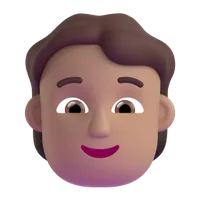 | Head | Cabeça | ||
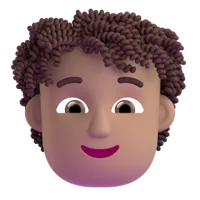 | Hair | Cabelo | ||
 | Face | Cara | ||
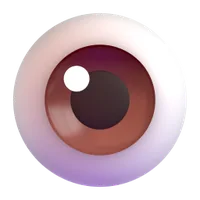 | Eye | Olho | ||
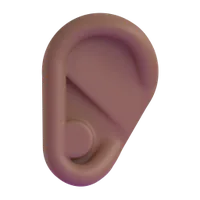 | Ear | Orelha | ||
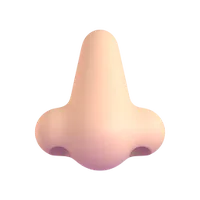 | Nose | Nariz | ||
 | Mouth | Boca | ||
 | Lips | Lábios | ||
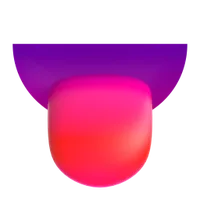 | Tongue | Língua | ||
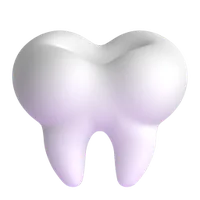 | Teeth | Dentes | ||
 | Cheek | Bochecha | ||
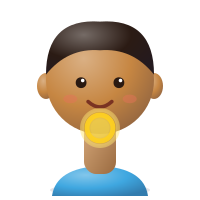 | Chin | Queixo | ||
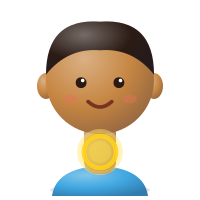 | Neck | Pescoço | ||
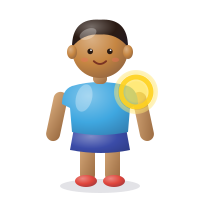 | Shoulder | Ombro | ||
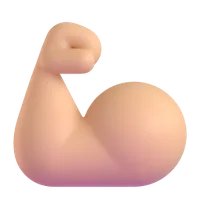 | Arm | Braço | ||
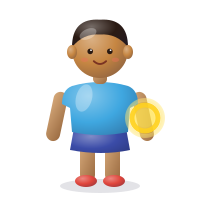 | Elbow | Cotovelo | ||
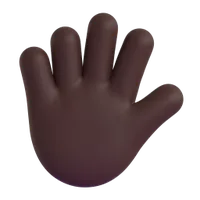 | Hand | Mão | ||
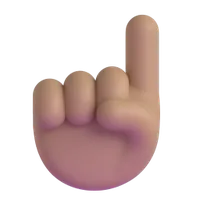 | Finger | Dedo | ||
 | Thumb | Polegar | ||
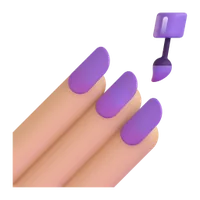 | Nail | Unha | ||
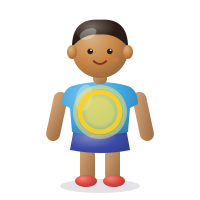 | Tummy | Barriga | ||
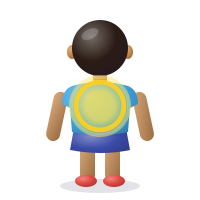 | Back | Costas | ||
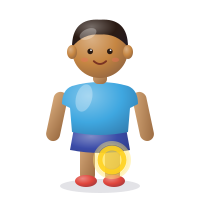 | Knee | Joelho | ||
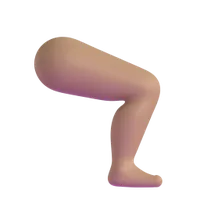 | Leg | Perna | ||
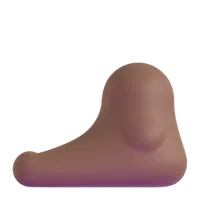 | Foot | Pé | ||
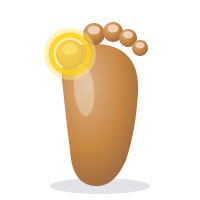 | Toe | Dedo do pé | ||
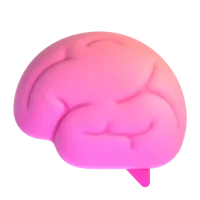 | Brain | Cérebro | ||
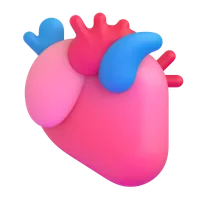 | Heart | Coração | ||
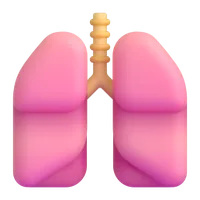 | Lungs | Pulmões | ||
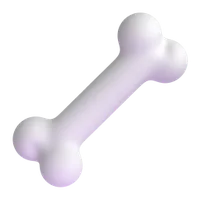 | Bones | Ossos |
Body parts in European Portuguese are the words your child can practise with no props at all, just a finger to point with. This page has 30 body parts with pictures and clear audio, from the face (olho, nariz, boca) and the limbs (braço, perna, joelho) to four parts inside the body: cérebro, coração, pulmões and ossos. Tap a picture to hear it in Portuguese and English, then play Find it.
The song: Cabeça, ombros, joelhos e pés
The best way to begin is the action song Portuguese children sing at the jardim de infância, the Portuguese version of "Head, shoulders, knees and toes": "Cabeça, ombros, joelhos e pés". Touch each part as you sing it, then add olhos, orelhas, boca e nariz. Sing it slowly first, then faster and faster until everyone is laughing. Every word in the song is on this page, so your child can tap each one afterwards and hear it on its own.
Face words, and the ear puzzle
Start with the face, because your child can see it in a mirror: cara (face), cabelo (hair), olho (eye), nariz (nose), boca (mouth), lábios (lips), língua (tongue), dentes (teeth), bochecha (cheek) and queixo (chin).
Portuguese has two words for ear. The orelha is the outside part you can touch, and that is the word on the card. The ouvido is the inside part you hear with. Children in Portugal hear both: "puxar a orelha" but "dor de ouvidos" (earache). Older children enjoy the difference; younger ones only need orelha.
Portugal and Brazil: small differences
Body words are mostly the same in both countries. The main difference is how they sound: in Portugal cabeça and pescoço have softer unstressed vowels, and the final "s" in dentes or ossos sounds like "sh". A few everyday words differ too:
| English | Portugal | Brazil |
|---|---|---|
| face | cara | rosto or cara |
| tummy | barriga | barriga or barriguinha |
| to brush teeth | lavar os dentes | escovar os dentes |
| bathroom | casa de banho | banheiro |
For Brazil's accent and word choices, use body parts in Brazilian Portuguese.
One nose, two eyes: plurals
Body parts are perfect for counting, and counting brings plurals. One olho, two olhos; one mão, two mãos; one pé, two pés. Most words just add -s, but a few change more, such as pulmão to pulmões. Some cards already use the plural because we usually talk about the group: dentes, lábios, costas, pulmões, ossos. Count with your child using numbers in European Portuguese: "Quantos dedos tens?" ("How many fingers do you have?"). Ten, dez, and ten more on the feet, where each toe is a dedo do pé.
Body words in daily routines
- Bath time. "Vamos lavar os pés, os joelhos, a barriga." Name each part as you wash it.
- Getting dressed. Arms go in the sleeves, braços; feet go in the shoes, pés.
- Brushing teeth. Count the dentes in the mirror.
- Doctor play. A toy stethoscope on the chest: "Ouço o coração!" (I hear the heart).
- Simon says. In Portuguese it is "O rei manda": "O rei manda tocar no nariz!"
Learning body words also supports body safety. Children who can name every part can tell a trusted adult clearly if something hurts or feels wrong. Use calm, correct words, and teach that some parts are private.
What to expect by age
At two, most children point to eyes, nose, mouth and tummy when asked. At three, they name eight to ten body parts and love the song. At four, they add joints like cotovelo (elbow) and joelho (knee). At five and six, they are curious about the inside of the body and enjoy facts such as "O coração bombeia sangue o dia todo" (the heart pumps blood all day). Let your child point before speaking, praise every try, and keep sessions to a few minutes. For more games in the same accent, open the learn European Portuguese for kids hub. For Hindi and English names, see body parts name. There is no PDF, but you can print this page and label a drawing of your child.
O corpo humano para crianças
Nesta página há trinta partes do corpo com imagem e som: a cabeça, o cabelo, os olhos, o nariz, a boca, os braços, as mãos, as pernas, os pés e até o coração e os pulmões. Toque numa imagem para ouvir o nome.
Cantem juntos "Cabeça, ombros, joelhos e pés" e toquem em cada parte. No banho e ao vestir, digam o nome das partes do corpo. Contem os dedos das mãos e dos pés. A criança aprende a brincar, sem pressa e com muitos abraços.
How to use this page at home
Say it, then find it
Play for a few minutes, then look for the same thing away from the screen: portuguese (portugal) words on the shelf, in the kitchen, on the way to school. A child learns a word properly when they meet it twice, once on the screen and once in their hand.
Ten minutes is enough
Short and happy beats long and tired. Stop while your child still wants more, and come back tomorrow: the same page on five short days teaches far more than one long sitting. Nothing here is scored, so there is no reason to push.
Use both languages
Tap the language button at the top to hear the words in your home language first and the second language after. Hearing the same picture named in two languages is one of the few things research agrees builds attention as well as vocabulary.