Body parts in Portuguese (Brazil): word list with pictures
30 words · tap 🔊 to hear each one in Portuguese (Brazil).
| Picture | English | Portuguese (Brazil) | Say it | Listen |
|---|---|---|---|---|
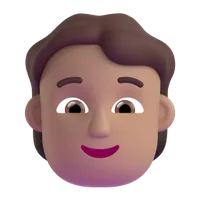 | Head | Cabeça | ||
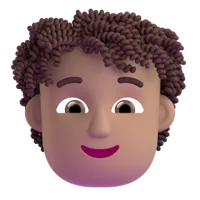 | Hair | Cabelo | ||
 | Face | Rosto | ||
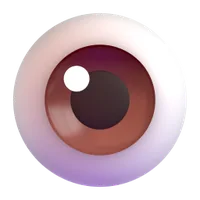 | Eye | Olho | ||
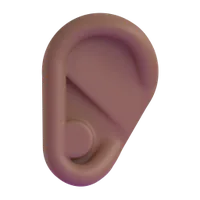 | Ear | Orelha | ||
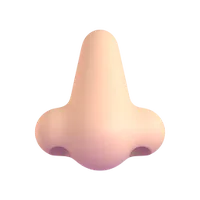 | Nose | Nariz | ||
 | Mouth | Boca | ||
 | Lips | Lábios | ||
 | Tongue | Língua | ||
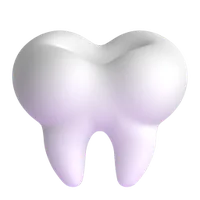 | Teeth | Dentes | ||
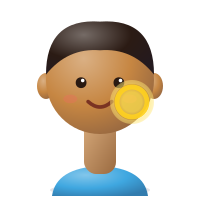 | Cheek | Bochecha | ||
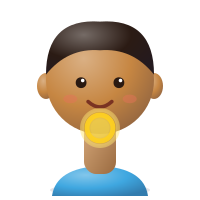 | Chin | Queixo | ||
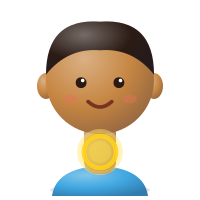 | Neck | Pescoço | ||
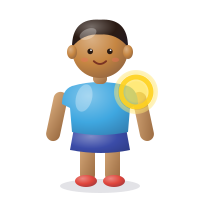 | Shoulder | Ombro | ||
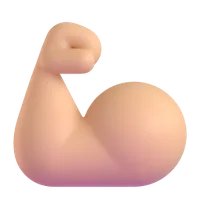 | Arm | Braço | ||
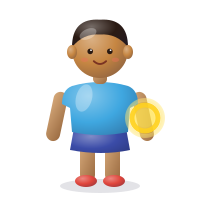 | Elbow | Cotovelo | ||
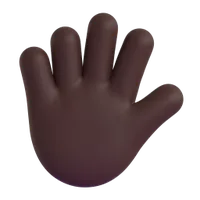 | Hand | Mão | ||
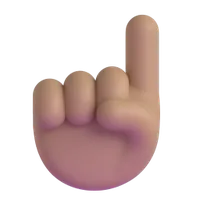 | Finger | Dedo | ||
 | Thumb | Polegar | ||
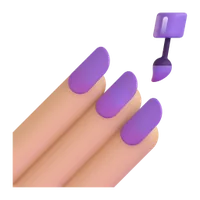 | Nail | Unha | ||
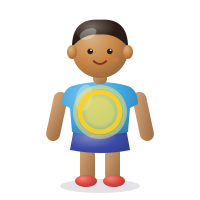 | Tummy | Barriga | ||
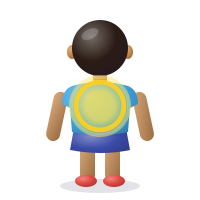 | Back | Costas | ||
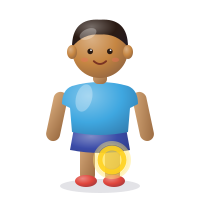 | Knee | Joelho | ||
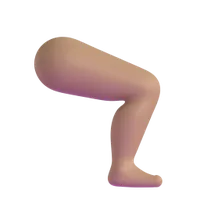 | Leg | Perna | ||
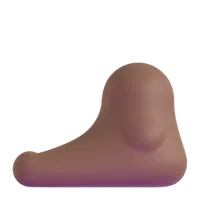 | Foot | Pé | ||
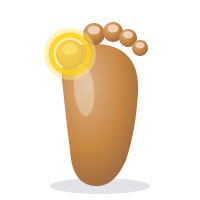 | Toe | Dedo do pé | ||
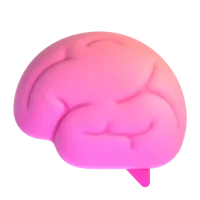 | Brain | Cérebro | ||
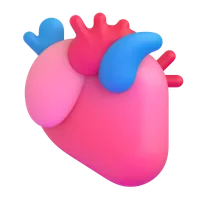 | Heart | Coração | ||
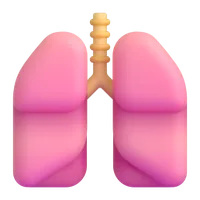 | Lungs | Pulmões | ||
 | Bones | Ossos |
Body parts in Portuguese are the words your child can always point to, because they carry them everywhere. This page has 30 parts of the body with pictures and clear Brazilian audio: the face (cabeça, olho, orelha, nariz, boca), arms and legs (braço, mão, dedo, perna, pé), and even a few inside the body, like coração (heart) and pulmões (lungs). Tap to listen, then play Find it and let your child touch the same part on their own body.
Start with the face
Toddlers learn faces before anything else. Begin with olho (eye), nariz (nose), boca (mouth) and orelha (ear), then add cabelo (hair), bochecha (cheek), queixo (chin), dentes (teeth), língua (tongue) and lábios (lips). One detail: Portuguese has a separate word for the outer ear, orelha, and the inner ear, ouvido. The game uses orelha, the part children can touch.
The classic Brazilian toddler game is "Cadê o nariz?" ("Where's the nose?"). Ask, wait, and cheer when your child points: "Achou!" ("Found it!").
Cabeça, ombro, joelho e pé
Brazilian children sing their own version of "Head, shoulders, knees and toes": "Cabeça, ombro, joelho e pé, joelho e pé", followed by olhos, orelhas, boca e nariz. Every word in it is on this page: cabeça (head), ombro (shoulder), joelho (knee), pé (foot). Sing it slowly first, then faster, and watch your child giggle as they try to keep up. It is the quickest way to learn eight body parts in one minute.
One or many: olho and olhos
Many body parts come in pairs, and in Portuguese you usually make the plural with -s: olho / olhos, braço / braços, perna / pernas. A few change more: mão / mãos, pulmão / pulmões. Some words in the game are already plural, because we have many of them: dentes (teeth), lábios (lips), ossos (bones). And costas (back) is always plural, even though you have one back. Count body parts together with the numbers in Portuguese chart: dois olhos, uma boca, dez dedos.
Fingers, toes and the thumb
Portuguese uses one word, dedo, for both fingers and toes. To be clear about toes, say dedo do pé, "finger of the foot", exactly as the game does. The thumb has its own name, polegar, though Brazilian children often call it dedão, "big finger". Try tracing your child's hand on paper and colouring each dedo with the colours in Portuguese game.
Brazil and Portugal: a few different words
Body words are almost the same on both sides of the Atlantic. In the game, only "face" differs, but you will hear a couple of other everyday changes:
| English | Brazil | Portugal |
|---|---|---|
| face | rosto | cara |
| mum | mamãe | mãe, mamã |
| to brush teeth | escovar os dentes | lavar os dentes |
Families from Portugal can play body parts in European Portuguese for Portugal's voice.
Body words in everyday routines
In Brazil's early years curriculum (BNCC), one "field of experience" is corpo, gestos e movimentos: body, gestures and movement. Preschool teachers use it for dancing, climbing and self-care, like washing hands and brushing teeth. You can do the same at home:
- Bath time: "Vamos lavar o pé, o joelho, a barriga..."
- Brushing teeth: "Escova os dentes de cima, agora os de baixo."
- Dressing: "O braço entra aqui, a perna entra ali."
- Movement game: "Golu says": touch your cotovelo (elbow), shake your mão, jump on one pé.
Teaching body part names, including private parts with their correct names, helps children say where it hurts and stay safe. Do this calmly at bath time, in whatever words your family is comfortable with.
What to expect by age
At 18 months to 2 years, many children point to eyes, nose and mouth when asked. At 2-3, they name five to ten parts. At 3-4, they know most of the face and limbs and can follow "touch your knee". At 4-5, they learn joints like cotovelo and joelho and enjoy the inside-the-body cards: cérebro, coração, pulmões, ossos. At 5-6, they talk about what each part does, using the facts on the cards, like "Vemos com os olhos". For English and Hindi words, see body parts name in English.
Partes do corpo para crianças
Aqui a criança aprende 30 partes do corpo com figura e áudio: cabeça, olho, orelha, nariz, boca, mão, dedo, barriga, joelho, pé e muitas outras, e também o coração, o cérebro e os pulmões.
Cante "Cabeça, ombro, joelho e pé", brinque de "Cadê o nariz?" e fale das partes do corpo na hora do banho e de escovar os dentes. Conhecer o próprio corpo ajuda a criança a cuidar de si e a dizer o que sente.
How to use this page at home
Say it, then find it
Play for a few minutes, then look for the same thing away from the screen: portuguese (brazil) words on the shelf, in the kitchen, on the way to school. A child learns a word properly when they meet it twice, once on the screen and once in their hand.
Ten minutes is enough
Short and happy beats long and tired. Stop while your child still wants more, and come back tomorrow: the same page on five short days teaches far more than one long sitting. Nothing here is scored, so there is no reason to push.
Use both languages
Tap the language button at the top to hear the words in your home language first and the second language after. Hearing the same picture named in two languages is one of the few things research agrees builds attention as well as vocabulary.