Animals in French: word list with pictures
60 words · tap 🔊 to hear each one in French.
| Picture | English | French | Say it | Listen |
|---|---|---|---|---|
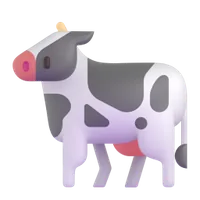 | Cow | la vache | ||
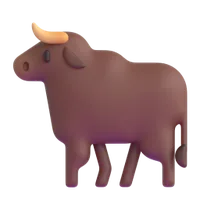 | Bull | le taureau | ||
 | Buffalo | le buffle | ||
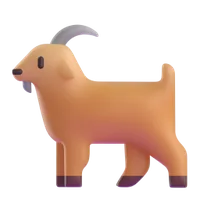 | Goat | la chèvre | ||
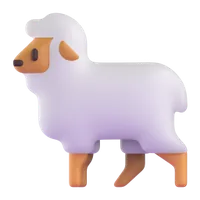 | Sheep | le mouton | ||
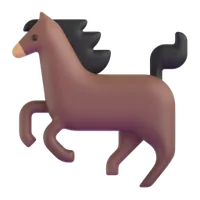 | Horse | le cheval | ||
 | Donkey | l'âne | ||
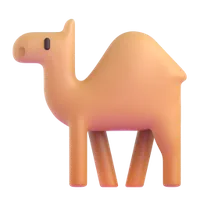 | Camel | le chameau | ||
 | Pig | le cochon | ||
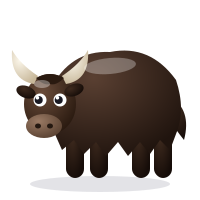 | Yak | le yack | ||
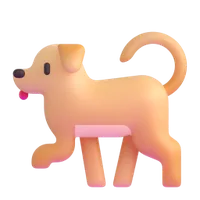 | Dog | le chien | ||
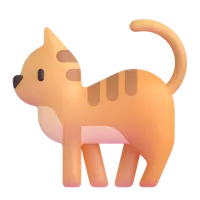 | Cat | le chat | ||
 | Rabbit | le lapin | ||
 | Hamster | le hamster | ||
 | Mouse | la souris | ||
 | Elephant | l'éléphant | ||
 | Lion | le lion | ||
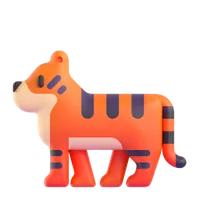 | Tiger | le tigre | ||
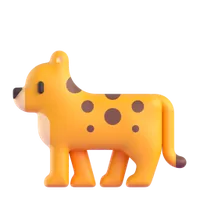 | Leopard | le léopard | ||
 | Bear | l'ours | ||
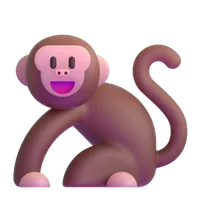 | Monkey | le singe | ||
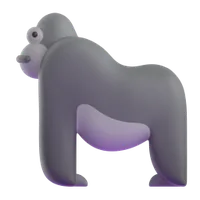 | Gorilla | le gorille | ||
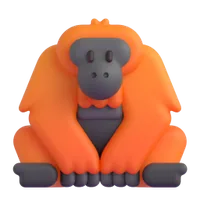 | Orangutan | l'orang-outan | ||
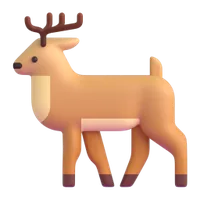 | Deer | le cerf | ||
 | Zebra | le zèbre | ||
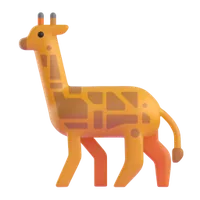 | Giraffe | la girafe | ||
 | Hippo | l'hippopotame | ||
 | Rhino | le rhinocéros | ||
 | Fox | le renard | ||
 | Wolf | le loup | ||
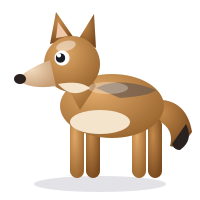 | Jackal | le chacal | ||
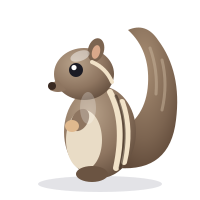 | Squirrel | l'écureuil | ||
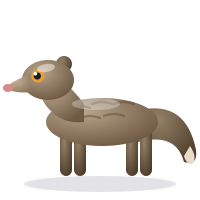 | Mongoose | la mangouste | ||
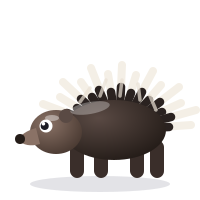 | Porcupine | le porc-épic | ||
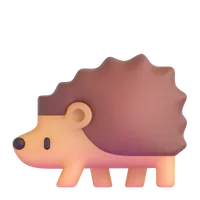 | Hedgehog | le hérisson | ||
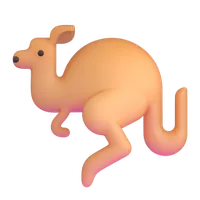 | Kangaroo | le kangourou | ||
 | Koala | le koala | ||
 | Panda | le panda | ||
 | Polar Bear | l'ours polaire | ||
 | Sloth | le paresseux | ||
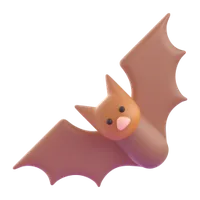 | Bat | la chauve-souris | ||
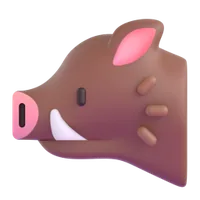 | Wild Boar | le sanglier | ||
 | Indian Bison | le gaur | ||
 | Rat | le rat | ||
 | Fish | le poisson | ||
 | Goldfish | le poisson rouge | ||
 | Frog | la grenouille | ||
 | Whale | la baleine | ||
 | Dolphin | le dauphin | ||
 | Shark | le requin | ||
 | Octopus | la pieuvre | ||
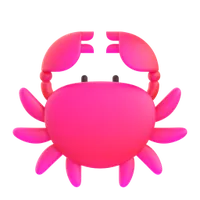 | Crab | le crabe | ||
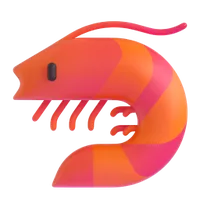 | Prawn | la crevette | ||
 | Squid | le calamar | ||
 | Seal | le phoque | ||
 | Jellyfish | la méduse | ||
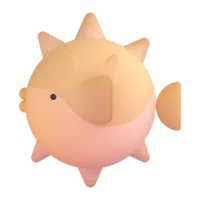 | Pufferfish | le poisson-globe | ||
 | Otter | la loutre | ||
 | Starfish | l'étoile de mer | ||
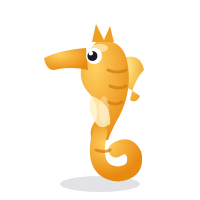 | Seahorse | l'hippocampe |
Animals name in French is where many children fall in love with the language, because each animal has a picture, a sound and, in France, often a story or a song. This page has 60 animals with pictures and clear French audio, each spoken with its article: la vache (cow), le chien (dog), l'éléphant, la girafe, le requin (shark) and l'hippocampe (seahorse). Tap a picture to hear it in French and English, then play Find it or Memory.
The 60 animals in the game
On the farm: la vache, le taureau, le buffle, la chèvre, le mouton, le cheval, l'âne, le chameau, le cochon. At home: le chien, le chat, le lapin, le hamster, la souris. In the wild: le lion, le tigre, l'ours, le singe, le renard, le loup, l'écureuil, le hérisson, le kangourou, le panda, le paresseux and more. In the water: le poisson, la grenouille, la baleine, le dauphin, le requin, la pieuvre, le crabe, la méduse, le phoque, la loutre, l'étoile de mer. The full picture list is in the word list above.
Why each animal has le, la or l'
Every French noun is masculine or feminine, and animals are no exception. The article tells you which: le for masculine, la for feminine and l' before a vowel or silent h, as in l'ours or l'hippopotame. The grammatical gender does not always match the animal: la girafe is feminine even when it is a boy giraffe, and le requin is masculine for every shark. That is why the game always says the article. Teach the article and the noun together as one unit, always la girafe and never just girafe, and your child will never have to guess later.
Some animals have a separate female name, which children find interesting:
| Male | Female | English |
|---|---|---|
| le lion | la lionne | lion / lioness |
| le loup | la louve | wolf / she-wolf |
| le cheval | la jument | horse / mare |
| le taureau | la vache | bull / cow |
| le coq | la poule | rooster / hen |
Animal sounds in French
French animals speak with a French accent. A dog says ouaf ouaf, a cat miaou, a cow meuh, a sheep bêê, a pig groin groin, a duck coin-coin and a rooster cocorico. The rooster is a national symbol of France, so cocorico! is also what French people shout when their team wins. Compare these with English in the animal sounds game and ask your child which version they like best.
Animals in French songs and stories
French childhood is full of animals. Toddlers sing « Une souris verte », about a little green mouse running in the grass, and « Dans la ferme de Mathurin », the French cousin of "Old MacDonald". Older children hear the fables of Jean de La Fontaine, written in the 1600s and still learned at school: « Le Corbeau et le Renard » (the crow and the fox) and « Le Lièvre et la Tortue » (the hare and the tortoise). Tell the tortoise story with the tortue card from the French alphabet, and talk about why slow and steady won.
How to teach animal names at home
- Five at a time. Choose five animals and play Listen for a few minutes.
- Toy farm. Line up toy animals and ask « Où est le cochon ? » ("Where is the pig?").
- Act it out. « Je suis un singe ! » Move like a monkey and let your child guess.
- Zoo or park. Name every chien, canard and écureuil you see.
- Picture books. Read an animal book in English, but name the animals in French.
At 2-3, children learn pets and farm animals and love the sounds. At 3-4, they sort farm, wild and sea animals. At 4-5, they describe them: « Le lion est grand. » At 5-6, they notice the patterns of le and la by themselves. A wrong tap in the game never gets a "wrong"; Golu gives a hint and every round ends with a marble in the Goli Jar. For English animal names, see animals name; for Spanish, try animals in Spanish. You can print this page from your browser for a picture list.
Les animaux : jouons ensemble
Sur cette page, votre enfant découvre soixante animaux en français : les animaux de la ferme, les animaux de la maison, les animaux sauvages et les animaux de la mer. Touchez une image, écoutez le nom, puis répétez-le ensemble.
Ensuite, jouez aux devinettes : « Il est petit, il a de grandes oreilles et il mange des carottes. Qui est-ce ? » C'est le lapin ! Imitez les cris des animaux, chantez « Une souris verte » et racontez une fable de La Fontaine avant de dormir.
How to use this page at home
Say it, then find it
Play for a few minutes, then look for the same thing away from the screen: french words on the shelf, in the kitchen, on the way to school. A child learns a word properly when they meet it twice, once on the screen and once in their hand.
Ten minutes is enough
Short and happy beats long and tired. Stop while your child still wants more, and come back tomorrow: the same page on five short days teaches far more than one long sitting. Nothing here is scored, so there is no reason to push.
Use both languages
Tap the language button at the top to hear the words in your home language first and the second language after. Hearing the same picture named in two languages is one of the few things research agrees builds attention as well as vocabulary.