Body parts in Malayalam: word list with pictures
30 words · tap 🔊 to hear each one in Malayalam.
| Picture | English | Malayalam | Say it | Listen |
|---|---|---|---|---|
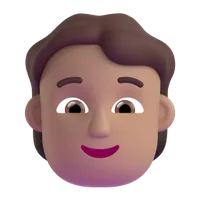 | Head | തല | thala | |
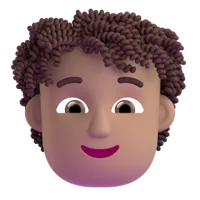 | Hair | മുടി | mudi | |
 | Face | മുഖം | mukham | |
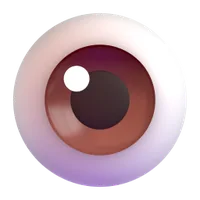 | Eye | കണ്ണ് | kannu | |
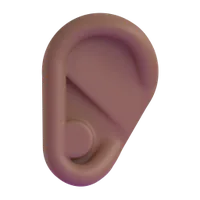 | Ear | ചെവി | chevi | |
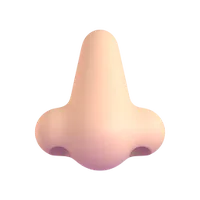 | Nose | മൂക്ക് | mookku | |
 | Mouth | വായ | vaaya | |
 | Lips | ചുണ്ട് | chundu | |
 | Tongue | നാക്ക് | naakku | |
 | Teeth | പല്ല് | pallu | |
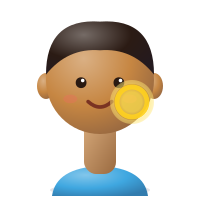 | Cheek | കവിൾ | kavil | |
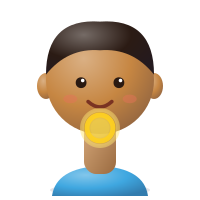 | Chin | താടി | thaadi | |
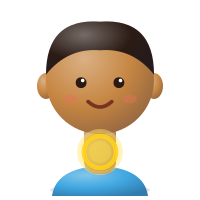 | Neck | കഴുത്ത് | kazhuthu | |
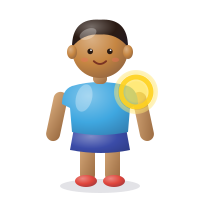 | Shoulder | തോൾ | thol | |
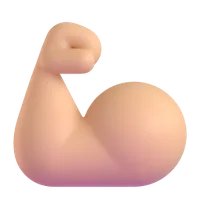 | Arm | കൈ | kai | |
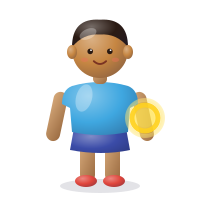 | Elbow | കൈമുട്ട് | kaimuttu | |
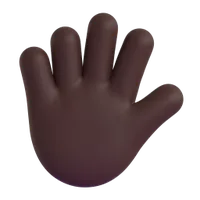 | Hand | കൈപ്പത്തി | kaippathi | |
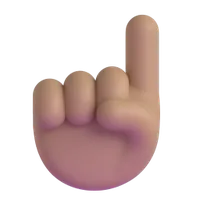 | Finger | വിരൽ | viral | |
 | Thumb | തള്ളവിരൽ | thallaviral | |
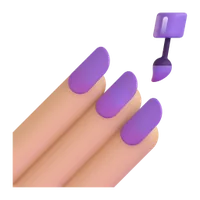 | Nail | നഖം | nakham | |
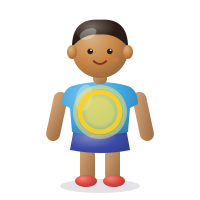 | Tummy | വയറ് | vayaru | |
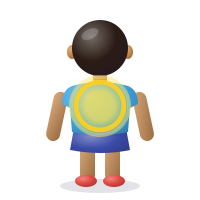 | Back | മുതുക് | muthuku | |
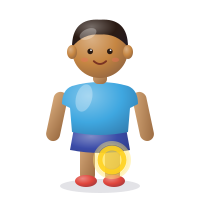 | Knee | കാൽമുട്ട് | kaalmuttu | |
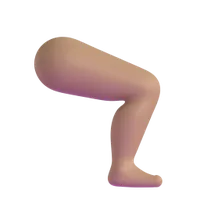 | Leg | കാൽ | kaal | |
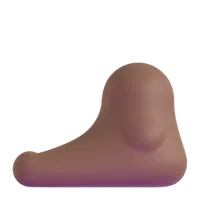 | Foot | പാദം | paadam | |
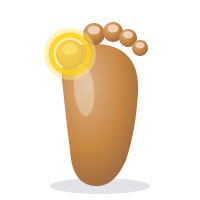 | Toe | കാൽവിരൽ | kaalviral | |
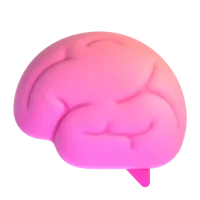 | Brain | തലച്ചോറ് | thalachoru | |
 | Heart | ഹൃദയം | hridayam | |
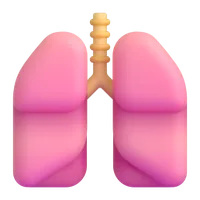 | Lungs | ശ്വാസകോശം | shwaasakosham | |
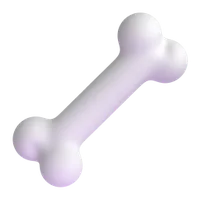 | Bones | എല്ലുകൾ | ellukal |
Every toddler has a body to learn from, which makes body parts in Malayalam some of the first words children use. This page teaches 30 of them with pictures and audio in Malayalam and English. In Listen, your child taps a picture and hears "മൂക്ക്, nose". In Find it, Golu asks for a body part in Malayalam and your child finds the picture, and then, ideally, points to their own nose. Memory is a pairs game with the same words. All 30 body parts name in Malayalam and English, with pronunciations, are in the word list above. Body parts are called ശരീരഭാഗങ്ങൾ (shareerabhaagangal).
Start with the face
Babies learn face words first, often before their first birthday, because grown-ups touch and name them during play. The face, മുഖം (mukham), gives you a starter set: കണ്ണ് (kannu, eye), ചെവി (chevi, ear), മൂക്ക് (mookku, nose), വായ (vaaya, mouth), പല്ല് (pallu, teeth), നാക്ക് (naakku, tongue), കവിൾ (kavil, cheek) and താടി (thaadi, chin). Kerala grandparents often play a game touching the child's nose and eyes while naming them; the game above follows the same idea.
Arms, legs, hands and feet
Next come the parts that move: തല (thala, head), കഴുത്ത് (kazhuthu, neck), തോൾ (thol, shoulder), കൈ (kai, arm or hand), വിരൽ (viral, finger), വയറ് (vayaru, tummy), കാൽ (kaal, leg), കാൽമുട്ട് (kaalmuttu, knee) and പാദം (paadam, foot). Point out the pattern: കൈമുട്ട് (kaimuttu) is the elbow, the "hand joint", and കാൽമുട്ട് is the knee, the "leg joint". In the same way, വിരൽ is a finger and കാൽവിരൽ is a toe, a "leg finger". തള്ളവിരൽ (thallaviral) is the thumb.
Everyday Malayalam often uses കൈ for both arm and hand, and കാൽ for both leg and foot. The game uses കൈപ്പത്തി (kaippathi) for the palm and hand, and പാദം for the foot, so children can tell the pictures apart.
Inside the body
Older children, around 5 and 6, love learning what is inside. The game includes four internal organs: തലച്ചോറ് (thalachoru, brain), ഹൃദയം (hridayam, heart), ശ്വാസകോശം (shwaasakosham, lungs) and എല്ലുകൾ (ellukal, bones). Let your child put a hand on their chest after running and feel the ഹൃദയം beat fast. Take a deep breath together and talk about the lungs filling with air.
Songs and movement games
- Head, shoulders, knees and toes in Malayalam. Sing the tune with തല, തോൾ, കാൽമുട്ട്, കാൽവിരൽ. It does not rhyme, and nobody minds.
- Golu says. Like "Simon says": "Golu says touch your ചെവി!"
- Bath time. Name each part as you wash it. This builds good hygiene habits for kids, too: കൈ before meals, പല്ല് morning and night.
- Animal bodies. An elephant has a long മൂക്ക് called a trunk, തുമ്പിക്കൈ. Link to animals in Malayalam: who has big ചെവി, who has a long കഴുത്ത്?
Words for safety and health
Knowing body part names helps a young child tell you where something hurts: "വയറു വേദന" (vayaru vedana) means tummy ache, and വേദന alone means pain. Teaching correct names for all body parts, including private parts, also helps keep children safe; use whatever words your family is comfortable with and keep the tone calm. For any health or development questions, talk to your paediatrician.
For the same words in English and Hindi, see body parts name. Many body words also appear on the Malayalam alphabet chart, and all the Malayalam games are on the Learn Malayalam hub.
Body part names at a glance
The word list above gives body parts in English and Malayalam, making it a handy list of Malayalam body parts and human body parts in Malayalam. It covers parts of body in Malayalam from head to toe, so it works as body parts in Malayalam for kids and for grown-ups learning alongside them. External body parts in Malayalam come first in the list, and internal organs in Malayalam come last. The Malayalam word for body parts is often spelled shareerabhagangal in English.
Quick answers: head in Malayalam is thala; eye in Malayalam is kannu; ear in Malayalam is chevi; nose in Malayalam is mookku; mouth in Malayalam is vaaya; teeth in Malayalam is pallu; hand in Malayalam is kai or kaippathi; finger in Malayalam is viral; leg in Malayalam is kaal; foot in Malayalam is paadam; knee in Malayalam is kaalmuttu. Heart in Malayalam is hridayam, brain in Malayalam is thalachoru, lungs in Malayalam are shwaasakosham, and bones in Malayalam are ellukal.
A head shoulders knees and toes Malayalam version, or any body parts song Malayalam families make up, turns these words into a dance. Bath time words are the easiest of all: name, wash, repeat. These Malayalam words for kids help children say what hurts and where.
നമ്മുടെ ശരീരം
കണ്ണ്, ചെവി, മൂക്ക്, വായ. ശരീരഭാഗങ്ങളുടെ പേരുകൾ പഠിക്കാൻ പുസ്തകം വേണ്ട, കുട്ടിയുടെ സ്വന്തം ശരീരം മതി. കുളിപ്പിക്കുമ്പോഴും ഉടുപ്പിടുമ്പോഴും ഓരോ ഭാഗവും തൊട്ട് പേര് പറയൂ.
"തല എവിടെ? കൈ എവിടെ?" എന്നു ചോദിച്ച് കളിക്കാം. കുട്ടി ശരിയായി തൊടുമ്പോൾ കൈയടിച്ച് സന്തോഷം കാണിക്കൂ. മുകളിലെ കളിയിലും ഗോലു ഇങ്ങനെയാണ് ചോദിക്കുന്നത്.
എവിടെയാണ് വേദന എന്ന് പറയാൻ ഈ വാക്കുകൾ കുട്ടിയെ സഹായിക്കും. ഭക്ഷണത്തിനു മുമ്പ് കൈ കഴുകാനും രാവിലെയും രാത്രിയും പല്ലു തേക്കാനും ഇതോടൊപ്പം ശീലിപ്പിക്കാം.
How to use this page at home
Say it, then find it
Play for a few minutes, then look for the same thing away from the screen: malayalam words on the shelf, in the kitchen, on the way to school. A child learns a word properly when they meet it twice, once on the screen and once in their hand.
Ten minutes is enough
Short and happy beats long and tired. Stop while your child still wants more, and come back tomorrow: the same page on five short days teaches far more than one long sitting. Nothing here is scored, so there is no reason to push.
Use both languages
Tap the language button at the top to hear the words in your home language first and the second language after. Hearing the same picture named in two languages is one of the few things research agrees builds attention as well as vocabulary.