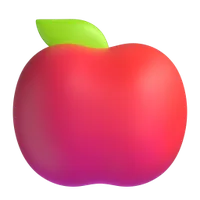
Portuguese (Brazil) alphabet chart with pictures
26 letters · tap 🔊 to hear each one.
| Picture | Letter | Word | Meaning | Listen |
|---|---|---|---|---|
 | A | abelha | bee | |
 | B | bola | ball | |
 | C | casa | house | |
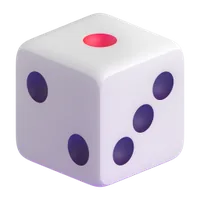 | D | dado | dice | |
 | E | elefante | elephant | |
 | F | foca | seal | |
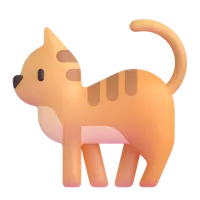 | G | gato | cat | |
 | H | hipopótamo | hippo | |
 | I | ilha | island | |
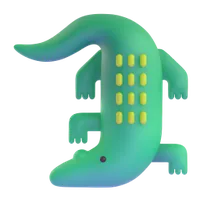 | J | jacaré | caiman | |
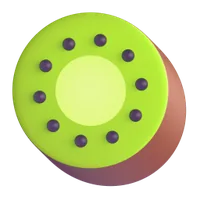 | K | kiwi | kiwi | |
 | L | leão | lion | |
 | M | macaco | monkey | |
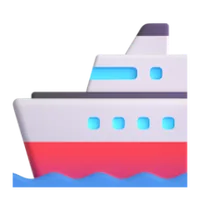 | N | navio | ship | |
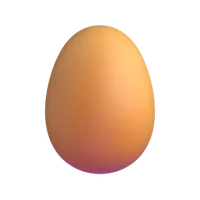 | O | ovo | egg | |
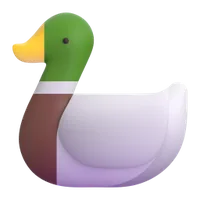 | P | pato | duck | |
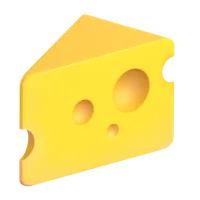 | Q | queijo | cheese | |
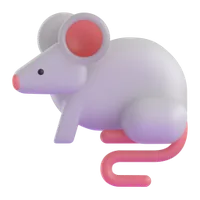 | R | rato | mouse | |
 | S | sapo | frog | |
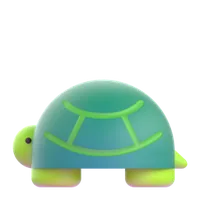 | T | tartaruga | turtle | |
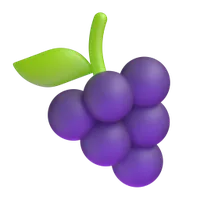 | U | uva | grapes | |
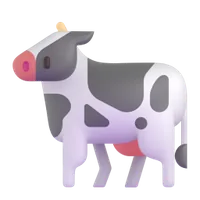 | V | vaca | cow | |
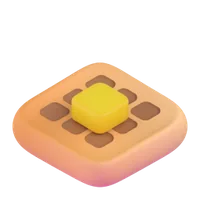 | W | waffle | waffle | |
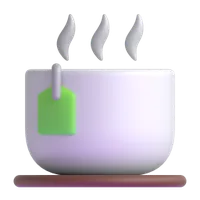 | X | xícara | cup | |
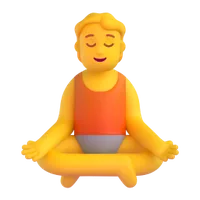 | Y | yoga | yoga | |
 | Z | zebra | zebra |
The Portuguese alphabet for kids has 26 letters, the same shapes your child already sees in English. What changes is the sound. In Brazil, H is called agá, J is jota, and R at the start of a word sounds a lot like an English H. On this page every letter comes with one word and a picture, from A de abelha (bee) to Z de zebra, spoken in clear Brazilian audio and then in English.
How many letters are in the Portuguese alphabet?
Today there are 26. For decades Portuguese used only 23 letters: K, W and Y were officially added back by the spelling agreement (Acordo Ortográfico) that Brazil adopted in 2009. They appear mostly in names and borrowed words, which is why the chart here uses kiwi, waffle and yoga. Children also meet extra marks on top of letters: the cedilha in ç (as in maçã, apple), the til in ã and õ (as in leão, lion), and accents like á, é, ê, ó. These are not separate letters; they are the same letter with a sound hint.
Vowels first: how Brazilian teachers start
Walk into a Brazilian pré-escola and you will likely find the five vowels, as vogais A E I O U, on the wall before anything else. Many classrooms still follow the traditional cartilha path: vowels, then syllable families (família silábica) such as ba be bi bo bu, ma me mi mo mu. Because Portuguese is mostly spelt the way it sounds, joining a consonant to a vowel gives children real words quickly: ma + ca + co becomes macaco.
Brazil's curriculum (BNCC) keeps formal reading for age 6 and up, in the first years of primary school. Before that, in educação infantil, children play with letters: they spot the first letter of their own name, sing, and scribble. Teachers usually show capital "stick" letters (letra bastão) first and joined-up handwriting (letra cursiva) later.
Letters that sound different from English
| Letter | Word on the chart | Tip for English speakers |
|---|---|---|
| H | hipopótamo | Silent at the start of a word: "ipo-PO-ta-mo". |
| J | jacaré | Soft, like the "s" in "measure". |
| R | rato | At the start, close to an English H: "HA-to". |
| X | xícara | Here like "sh": "SHEE-ka-ra". |
| Q | queijo | Always followed by U; in "que" the U is silent. |
| L | leão | Ends in a nasal "ão", said through the nose. |
Also listen for final D and T before an "i" sound: many Brazilians say dia like "JEE-a" and leite like "LAY-chee". Your child will copy this naturally from the audio.
Brazil and Portugal: same letters, a few different words
The alphabet is identical in Brazil and Portugal, but the example words are not always the same. In Brazil X de xícara (cup) is a classroom favourite; in Portugal, where people say chávena for cup, the European chart uses X de xadrez (chess) instead. The accent also differs a lot. If you are from Portugal, try the European Portuguese pages for Portugal's voice.
Teaching the alphabet at home
- Name first. Start with the letters in your child's name, then family names: M de mamãe, P de papai.
- Vowel hunt. Say a word slowly and let your child shout the vowel they hear: u-va, o-vo.
- Syllable clapping. Clap ta-tu, ma-ca-co, tar-ta-ru-ga. Clapping helps later reading.
- Link to animals. Many letters are animals; our animals in Portuguese game has foca, gato, sapo and more.
- Compare with English. Bilingual children can use the English ABCD page and notice which pictures change.
To make a wall chart, print this page from your browser. The letter list with pictures prints cleanly on A4 or Letter paper. There is no separate PDF.
What to expect by age
At 2-3, children enjoy tapping and hearing the words more than the letters themselves. At 3-4, they often recognise the first letter of their name and a few vowels. At 4-5, many can match most capital letters to sounds and say syllables like ba and pa. At 5-6, some start reading two-syllable words: bola, pato, uva. Every child moves at their own speed, and a child who is learning two languages may take a little longer to speak but catches up.
Once letters feel familiar, count them! Our numbers in Portuguese chart helps your child count the 26 letters or the syllables in a word.
O alfabeto brincando
O alfabeto português tem 26 letras. Nesta página, cada letra aparece com uma palavra e uma figura: A de abelha, B de bola, C de casa, J de jacaré e X de xícara. Toque na letra e escute o som.
Comece pelas vogais, A, E, I, O e U, e depois brinque com as famílias silábicas: ba, be, bi, bo, bu. Procure letras no nome da criança, nas embalagens do mercado e nos livros de histórias. Sem pressa e com muita brincadeira.
How to use this page at home
Say it, then find it
Play for a few minutes, then look for the same thing away from the screen: portuguese (brazil) words on the shelf, in the kitchen, on the way to school. A child learns a word properly when they meet it twice, once on the screen and once in their hand.
Ten minutes is enough
Short and happy beats long and tired. Stop while your child still wants more, and come back tomorrow: the same page on five short days teaches far more than one long sitting. Nothing here is scored, so there is no reason to push.
Use both languages
Tap the language button at the top to hear the words in your home language first and the second language after. Hearing the same picture named in two languages is one of the few things research agrees builds attention as well as vocabulary.