Animals in Portuguese (Brazil): word list with pictures
60 words · tap 🔊 to hear each one in Portuguese (Brazil).
| Picture | English | Portuguese (Brazil) | Say it | Listen |
|---|---|---|---|---|
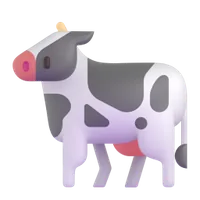 | Cow | Vaca | ||
 | Bull | Touro | ||
 | Buffalo | Búfalo | ||
 | Goat | Cabra | ||
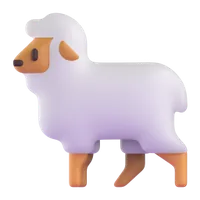 | Sheep | Ovelha | ||
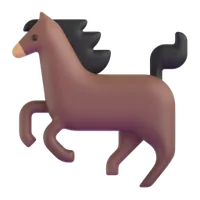 | Horse | Cavalo | ||
 | Donkey | Burro | ||
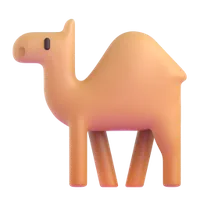 | Camel | Camelo | ||
 | Pig | Porco | ||
 | Yak | Iaque | ||
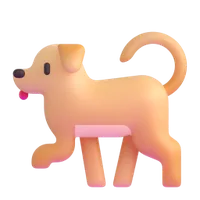 | Dog | Cachorro | ||
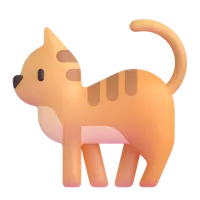 | Cat | Gato | ||
 | Rabbit | Coelho | ||
 | Hamster | Hamster | ||
 | Mouse | Ratinho | ||
 | Elephant | Elefante | ||
 | Lion | Leão | ||
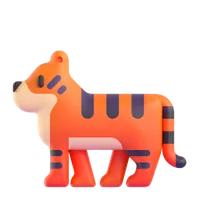 | Tiger | Tigre | ||
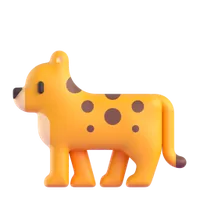 | Leopard | Leopardo | ||
 | Bear | Urso | ||
 | Monkey | Macaco | ||
 | Gorilla | Gorila | ||
 | Orangutan | Orangotango | ||
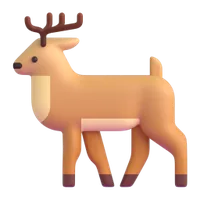 | Deer | Cervo | ||
 | Zebra | Zebra | ||
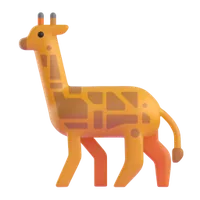 | Giraffe | Girafa | ||
 | Hippo | Hipopótamo | ||
 | Rhino | Rinoceronte | ||
 | Fox | Raposa | ||
 | Wolf | Lobo | ||
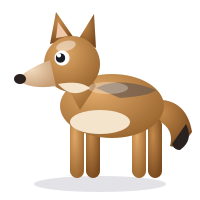 | Jackal | Chacal | ||
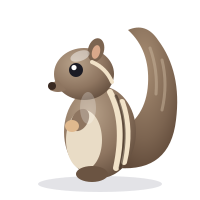 | Squirrel | Esquilo | ||
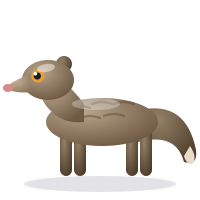 | Mongoose | Mangusto | ||
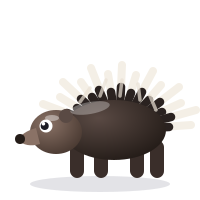 | Porcupine | Porco-espinho | ||
 | Hedgehog | Ouriço | ||
 | Kangaroo | Canguru | ||
 | Koala | Coala | ||
 | Panda | Panda | ||
 | Polar Bear | Urso-polar | ||
 | Sloth | Bicho-preguiça | ||
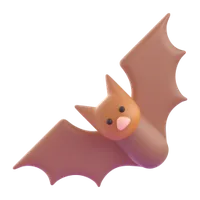 | Bat | Morcego | ||
 | Wild Boar | Javali | ||
 | Indian Bison | Gauro | ||
 | Rat | Rato | ||
 | Fish | Peixe | ||
 | Goldfish | Peixinho-dourado | ||
 | Frog | Sapo | ||
 | Whale | Baleia | ||
 | Dolphin | Golfinho | ||
 | Shark | Tubarão | ||
 | Octopus | Polvo | ||
 | Crab | Caranguejo | ||
 | Prawn | Camarão | ||
 | Squid | Lula | ||
 | Seal | Foca | ||
 | Jellyfish | Água-viva | ||
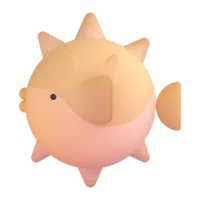 | Pufferfish | Baiacu | ||
 | Otter | Lontra | ||
 | Starfish | Estrela-do-mar | ||
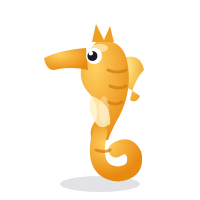 | Seahorse | Cavalo-marinho |
Animals in Portuguese are a lovely first topic, because every name comes with a picture, a noise and something to act out. This page has 60 animals with clear Brazilian audio: farm animals like vaca (cow) and cavalo (horse), pets like cachorro (dog) and gato (cat), wild animals like leão and girafa, and sea animals such as baleia (whale) and polvo (octopus). Tap to listen, then try Find it, Sounds, Babies and Homes.
Farm animals and pets: animais da fazenda
Begin with the animals your child already knows from books. On a Brazilian farm (fazenda or sítio) you meet vaca, touro, cabra, ovelha, cavalo, burro and porco. At home, the pets are cachorro, gato, coelho and hamster. Notice that the little mouse in the game is ratinho, with the loving ending -inho, while the bigger rat is rato. Brazilians add -inho and -inha to almost everything small or dear, so your child will hear cachorrinho, gatinho and porquinho all the time.
Wild animals and sea animals
Many wild animals sound close to English: elefante, tigre, gorila, zebra, panda, coala, canguru. Others are new: macaco (monkey), urso (bear), raposa (fox), lobo (wolf), esquilo (squirrel), morcego (bat). The sloth is bicho-preguiça, "lazy creature", which always gets a laugh. In the sea, look for peixe, tubarão, golfinho, caranguejo, lula, the jellyfish água-viva ("living water") and the pufferfish baiacu, a name that comes from the Tupi language of Brazil's first peoples.
What animals say in Portuguese
In Portuguese a dog says au au, a cat says miau, a cow says muuu, a pig says oinc oinc, a frog says croac and a horse says iiirrí. The Sounds game here plays these, and the Silly or right? game asks things like whether the cow says quack. After that, compare with the English noises on our animal sounds page.
O or a? Boys and girls in animal names
Every Portuguese noun is masculine or feminine, and animal names show it clearly: o gato / a gata, o cachorro / a cachorra, o leão / a leoa. Some pairs are different words, like o touro (bull) and a vaca (cow), or o cavalo and a égua. Others use one word for both, like a girafa or o tubarão. Do not teach rules to a toddler. Just say "Olha o cavalo!" or "Olha a zebra!" each time.
Brazil or Portugal: which word?
Some animals change name across the Atlantic. Families from Portugal can use the animals in European Portuguese game instead.
| Animal | Brazil | Portugal |
|---|---|---|
| dog | cachorro | cão |
| deer | cervo | veado |
| frog | sapo | rã |
| jellyfish | água-viva | medusa |
| pufferfish | baiacu | peixe-balão |
| sloth | bicho-preguiça | preguiça |
Animals from Brazil to talk about
Brazil is home to animals your child may never have seen in a picture book. The game already includes jacaré on the Portuguese alphabet chart (J de jacaré, the caiman), and you can add more in conversation: the capivara (capybara, the world's largest rodent), the colourful tucano (toucan) and arara (macaw), and the spotted onça-pintada (jaguar). A classic children's song, "O sapo não lava o pé" ("The frog doesn't wash its feet"), is a fun way to practise sapo.
Five quick ways to practise
- Toy line-up: put five toy animals out and ask "Cadê o porco?" ("Where's the pig?").
- Move like me: hop like a sapo, stomp like an elefante, swim like a peixe.
- Baby names: play Babies and hear bezerro (calf), potrinho (foal) and girino (tadpole).
- Walk and name: every dog, bird and cat outside gets its Portuguese name.
- Two languages: bilingual children can match with animal names in English.
At 2-3, aim for five to ten animals, mostly pets and farm animals. At 4-5, children sort animals into farm, wild and sea and make short sentences like "O leão é grande."
Nomes dos animais para crianças
Nesta página há 60 animais com figura e áudio em português do Brasil: animais da fazenda, como a vaca, o cavalo e a ovelha; animais de estimação, como o cachorro e o gato; animais selvagens, como o leão e a girafa; e animais do mar, como a baleia e o polvo.
Brinque de imitar os sons, au au, miau, muuu, e procure animais nos livros, no parque e no zoológico. Diga sempre o artigo, o gato, a vaca, e a criança vai aprender naturalmente.
How to use this page at home
Say it, then find it
Play for a few minutes, then look for the same thing away from the screen: portuguese (brazil) words on the shelf, in the kitchen, on the way to school. A child learns a word properly when they meet it twice, once on the screen and once in their hand.
Ten minutes is enough
Short and happy beats long and tired. Stop while your child still wants more, and come back tomorrow: the same page on five short days teaches far more than one long sitting. Nothing here is scored, so there is no reason to push.
Use both languages
Tap the language button at the top to hear the words in your home language first and the second language after. Hearing the same picture named in two languages is one of the few things research agrees builds attention as well as vocabulary.