Body parts in Spanish (Latin America): word list with pictures
30 words · tap 🔊 to hear each one in Spanish (Latin America).
| Picture | English | Spanish (Latin America) | Say it | Listen |
|---|---|---|---|---|
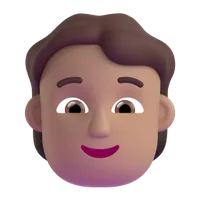 | Head | Cabeza | ||
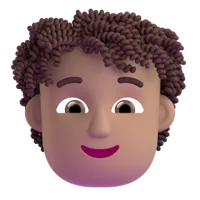 | Hair | Pelo | ||
 | Face | Cara | ||
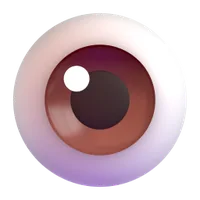 | Eye | Ojo | ||
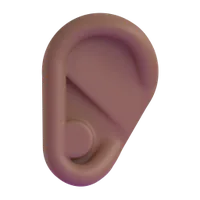 | Ear | Oreja | ||
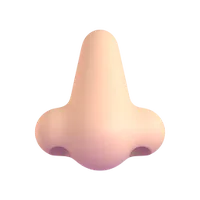 | Nose | Nariz | ||
 | Mouth | Boca | ||
 | Lips | Labios | ||
 | Tongue | Lengua | ||
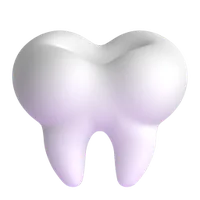 | Teeth | Dientes | ||
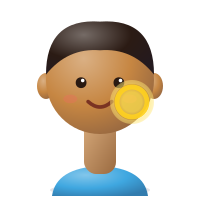 | Cheek | Cachete | ||
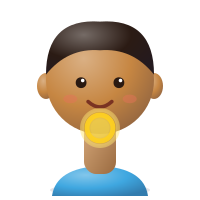 | Chin | Barbilla | ||
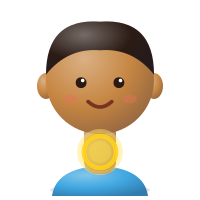 | Neck | Cuello | ||
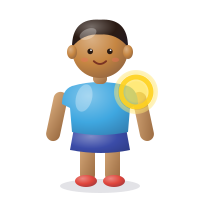 | Shoulder | Hombro | ||
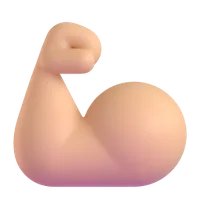 | Arm | Brazo | ||
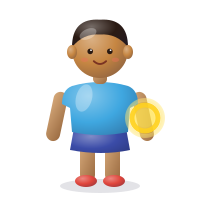 | Elbow | Codo | ||
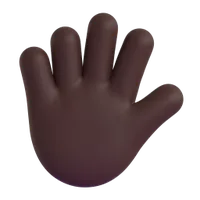 | Hand | Mano | ||
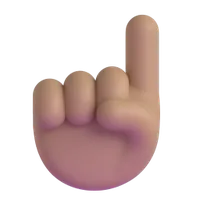 | Finger | Dedo | ||
 | Thumb | Pulgar | ||
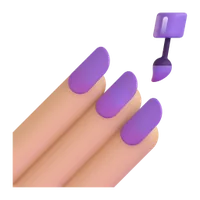 | Nail | Uña | ||
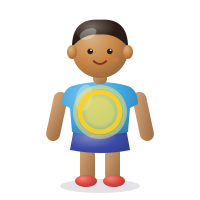 | Tummy | Pancita | ||
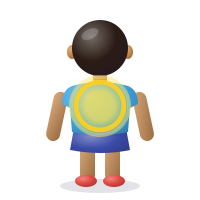 | Back | Espalda | ||
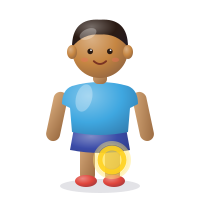 | Knee | Rodilla | ||
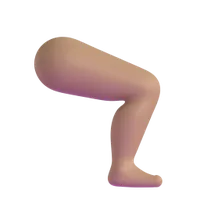 | Leg | Pierna | ||
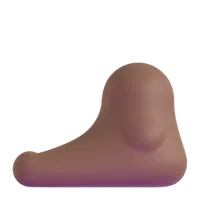 | Foot | Pie | ||
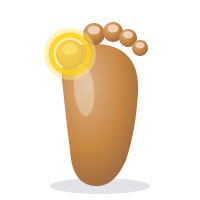 | Toe | Dedo del pie | ||
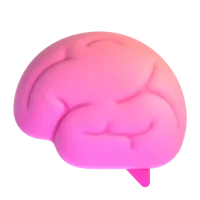 | Brain | Cerebro | ||
 | Heart | Corazón | ||
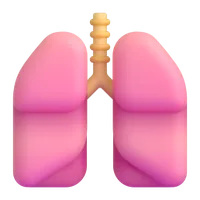 | Lungs | Pulmones | ||
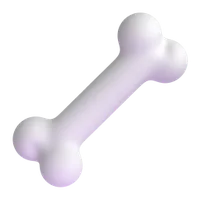 | Bones | Huesos |
Body parts in Mexican Spanish are words your child can learn with their whole body: touch, wiggle, point and sing. This page has 30 body parts with pictures and clear Latin American audio, from the face (ojo, nariz, boca, oreja, cachete) to arms and legs (hombro, codo, mano, rodilla, pie), plus a few inside the body, like el corazón and los pulmones. Tap a picture to hear it in Spanish and English, then play Find it.
The body parts in the game
Head and face: cabeza, pelo, cara, ojo, oreja, nariz, boca, labios, lengua, dientes, cachete, barbilla. Body, arms and legs: cuello, hombro, brazo, codo, mano, dedo, pulgar, uña, pancita, espalda, rodilla, pierna, pie, dedo del pie. Inside: cerebro, corazón, pulmones, huesos. The full list with pictures is in the word list above.
Warm Mexican words for the body
Mexican families use some softer, homely words with little children, and this page follows them:
| English | Mexico (this page) | More formal / Spain |
|---|---|---|
| cheek | cachete | mejilla |
| tummy | pancita | barriga / tripa / vientre |
| hair | pelo | cabello |
| chin | barbilla | mentón |
The -ita in pancita is a diminutive, a little ending that makes words small and sweet. Mexican Spanish uses it everywhere with children: manita (little hand), piecito (little foot), naricita. Your child will hear these at home and will understand the full forms too.
Songs and rhymes about the body
Almost every Spanish-speaking preschool sings "Cabeza, hombros, rodillas y pies" to the tune of "Head, shoulders, knees and toes", touching each part faster and faster. Another favourite is the finger rhyme "Este dedito compró un huevito", where each finger does a job until the little one eats the whole egg. And when a child bumps a knee, Mexican parents rub it gently and say "Sana, sana, colita de rana, si no sanas hoy, sanarás mañana" ("Heal, heal, little frog's tail..."). These rhymes are the best way to fix body words in memory, and they bring grown-ups and children close.
Playing on this page
Tap any picture in Listen mode to hear the word in Spanish and English. When your child knows the face words, try Find it: Golu asks "¿Dónde está la oreja?" and your child taps the right picture. Make it a two-step game by asking them to touch their own ear too. The game never says "wrong"; it gives a hint, then a glow on the answer, and every round ends with a marble in the Goli Jar. Keep screen time short and shared: for children under two, singing and touching real noses and toes is better than any app, and for older children five to ten minutes is plenty.
How to teach body parts in 5 minutes
- Mirror game. Stand in front of a mirror and say "Toca tu nariz" (touch your nose). Take turns giving orders.
- Doll check-up. Play doctor with a teddy: "¿Te duele la pancita?" (does your tummy hurt?).
- Bath time. Name each part as you wash it: brazos, manos, piernas, pies.
- Simón dice. The Spanish "Simon says": "Simón dice: ¡tócate la rodilla!"
At 2-3, children point to eyes, nose, mouth and tummy. At 3-4, they add arms, legs, hands and feet and sing along. At 4-5, they name joints like codo and rodilla and count diez dedos. At 5-6, they get curious about the heart and bones; hold your hand on your child's chest to feel the corazón beating. For children with sensory sensitivities, point to a doll or picture instead of touching, and let the child lead.
Knowing the correct names for all body parts, including private parts, helps children tell a trusted adult if something hurts or feels wrong. Use calm, simple words at home and teach that their body belongs to them.
Next, try colours in Mexican Spanish (what colour are your eyes?), compare with body parts in Spain Spanish, or see the English body parts name page. Print this page from your browser for a labelled picture list.
Mi cuerpo: jugamos juntos
Aprender las partes del cuerpo es muy divertido cuando nos movemos. Canten "Cabeza, hombros, rodillas y pies", primero despacio y luego rápido, y vean quién se ríe primero.
A la hora del baño, nombren cada parte: la cabeza, las orejas, la pancita y los piecitos. Y cuando su hijo se caiga, un abrazo y un "sana, sana, colita de rana" le dirán que está seguro y que lo quieren mucho.
How to use this page at home
Say it, then find it
Play for a few minutes, then look for the same thing away from the screen: spanish (latin america) words on the shelf, in the kitchen, on the way to school. A child learns a word properly when they meet it twice, once on the screen and once in their hand.
Ten minutes is enough
Short and happy beats long and tired. Stop while your child still wants more, and come back tomorrow: the same page on five short days teaches far more than one long sitting. Nothing here is scored, so there is no reason to push.
Use both languages
Tap the language button at the top to hear the words in your home language first and the second language after. Hearing the same picture named in two languages is one of the few things research agrees builds attention as well as vocabulary.