Fruits in Portuguese (Brazil): word list with pictures
30 words · tap 🔊 to hear each one in Portuguese (Brazil).
| Picture | English | Portuguese (Brazil) | Say it | Listen |
|---|---|---|---|---|
 | Mango | Manga | ||
 | Banana | Banana | ||
 | Apple | Maçã | ||
 | Orange | Laranja | ||
 | Grapes | Uvas | ||
 | Watermelon | Melancia | ||
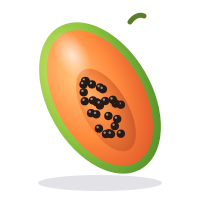 | Papaya | Mamão | ||
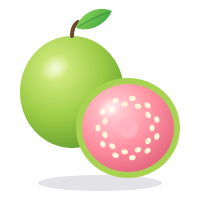 | Guava | Goiaba | ||
 | Pineapple | Abacaxi | ||
 | Strawberry | Morango | ||
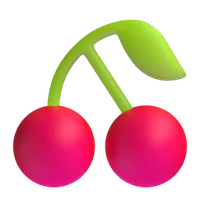 | Cherry | Cereja | ||
 | Lemon | Limão-siciliano | ||
 | Coconut | Coco | ||
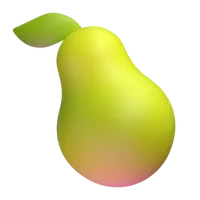 | Pear | Pera | ||
 | Pomegranate | Romã | ||
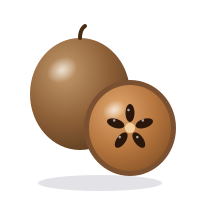 | Sapodilla | Sapoti | ||
 | Peach | Pêssego | ||
 | Muskmelon | Melão | ||
 | Kiwi | Kiwi | ||
 | Green Apple | Maçã verde | ||
 | Blueberry | Mirtilo | ||
 | Lime | Limão | ||
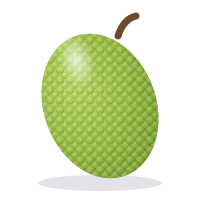 | Jackfruit | Jaca | ||
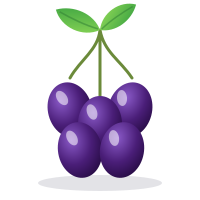 | Java Plum | Jamelão | ||
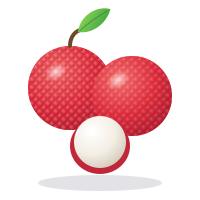 | Lychee | Lichia | ||
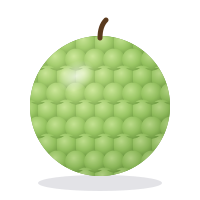 | Custard Apple | Fruta-do-conde | ||
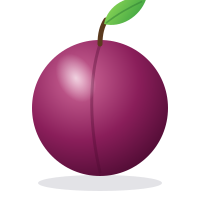 | Plum | Ameixa | ||
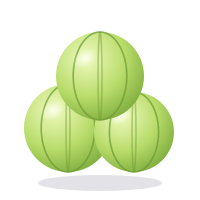 | Indian Gooseberry | Groselha-indiana | ||
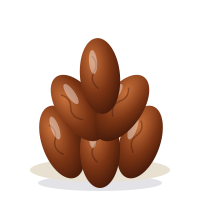 | Dates | Tâmaras | ||
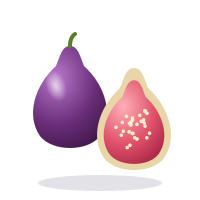 | Fig | Figo |
Fruits in Portuguese are easy to practise because Brazil is a country of fruit: juice stands on street corners, weekly street markets piled with mangoes, and a banana in almost every lunchbox. This page has 30 fruits with pictures and clear Brazilian audio, from everyday banana, maçã (apple) and laranja (orange) to tropical favourites like goiaba (guava), mamão (papaya) and the giant jaca (jackfruit). Tap a fruit to hear it, then play Find it or Memory.
Everyday fruits to learn first
Choose the fruits that are already in your kitchen. For most families that means banana, maçã, laranja, uvas, morango (strawberry), melancia (watermelon) and pera (pear). Several are nearly the same in English, which gives your child an early win: banana and kiwi are identical, and manga is close to mango. Then add one "new" word a day, such as abacaxi (pineapple) or cereja (cherry).
Brazilian and tropical fruits
Several fruits in this game grow all over Brazil, and some names come from Tupi, the language of Indigenous peoples on the coast: abacaxi and jaca have roots outside Europe, and so do fruits you might add yourself, like caju (cashew fruit), maracujá (passion fruit) and açaí. The game includes goiaba, mamão, coco, sapoti, jamelão (which turns your tongue purple, a fact children adore) and fruta-do-conde, the soft, creamy custard apple.
A small surprise for parents: in Brazil, the everyday green limão is the small lime, while the big yellow lemon is called limão-siciliano ("Sicilian lemon"). The audio follows that Brazilian usage.
Fruit names in Brazil and Portugal
| English | Brazil | Portugal |
|---|---|---|
| pineapple | abacaxi | ananás |
| papaya | mamão | papaia |
| lemon | limão-siciliano | limão |
| lime | limão | lima |
| custard apple | fruta-do-conde | anona |
| lychee | lichia | líchia |
If your family uses Portugal's words, the fruits in European Portuguese game speaks them in Portugal's accent.
Sort fruits by colour
Sorting by colour links two topics at once. Put real fruit or the printed pictures into groups and name the colour with our colours in Portuguese game:
- Vermelho (red): morango, cereja, romã, maçã
- Amarelo (yellow): banana, limão-siciliano, abacaxi
- Verde (green): limão, kiwi, maçã verde
- Laranja (orange): laranja, mamão, pêssego
Children love the joke that laranja is both a fruit and a colour, just like "orange" in English.
At the market and in the kitchen
In Brazil, many families shop at the feira livre, an open-air street market held once a week, where sellers call out prices and sometimes offer a taste. You can play "feira" at home: set out fruit, give your child play coins and let them ask for "Uma banana, por favor!". Count the fruit together in Portuguese using the numbers in Portuguese chart. In the kitchen, make a salada de frutas and name every piece, or blend a vitamina de banana, the banana-and-milk smoothie Brazilian children drink at breakfast.
At June festivals (Festa Junina), look for fruit treats and corn dishes, then play the vegetables in Portuguese game to learn milho (corn).
What to expect by age
At 2-3, most children learn five or six fruits they eat often and love Find it with two big choices. At 3-4, they name ten or more and start to say colours with them: "banana amarela". At 4-5, they sort fruits by colour, size or "has seeds". At 5-6, some children read short fruit names like uva, coco and pera. If your child is a picky eater, the game can make a new fruit feel familiar before it reaches the plate; never push, just name it and let them look. For English and Hindi names, visit fruits name in English.
Fruit facts children remember
Each card in the game has a short spoken fact. A few favourites: the strawberry has its seeds on the outside, "O morango tem sementes do lado de fora"; grapes grow in bunches; the coconut has sweet water inside. Brazilians drink that water straight from a green coconut with a straw at the beach, água de coco. Pick one fact a day and check it with a real fruit: cut a strawberry, count the grapes on a bunch, or shake a coconut and listen.
Nomes das frutas para crianças
Nesta página há 30 frutas com figura e áudio: banana, maçã, laranja, uvas, melancia, manga, goiaba, mamão, abacaxi e muitas outras. Toque na figura para ouvir o nome em português e em inglês.
Leve a criança à feira, deixe que ela escolha uma fruta e diga o nome em voz alta. Em casa, façam juntos uma salada de frutas e separem as frutas por cor: vermelhas, amarelas e verdes. Aprender com comida de verdade é muito mais gostoso.
How to use this page at home
Say it, then find it
Play for a few minutes, then look for the same thing away from the screen: portuguese (brazil) words on the shelf, in the kitchen, on the way to school. A child learns a word properly when they meet it twice, once on the screen and once in their hand.
Ten minutes is enough
Short and happy beats long and tired. Stop while your child still wants more, and come back tomorrow: the same page on five short days teaches far more than one long sitting. Nothing here is scored, so there is no reason to push.
Use both languages
Tap the language button at the top to hear the words in your home language first and the second language after. Hearing the same picture named in two languages is one of the few things research agrees builds attention as well as vocabulary.