Spanish alphabet chart with pictures
27 letters · tap 🔊 to hear each one.
| Picture | Letter | Word | Meaning | Listen |
|---|---|---|---|---|
 | A | abeja | bee | |
 | B | ballena | whale | |
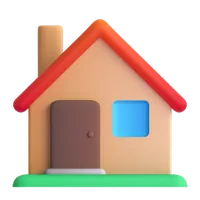 | C | casa | house | |
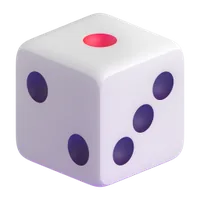 | D | dado | die | |
 | E | elefante | elephant | |
 | F | foca | seal | |
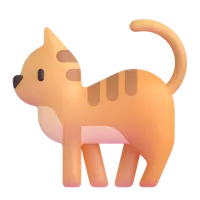 | G | gato | cat | |
 | H | helado | ice cream | |
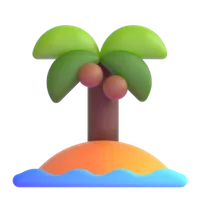 | I | isla | island | |
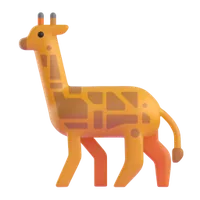 | J | jirafa | giraffe | |
 | K | koala | koala | |
 | L | león | lion | |
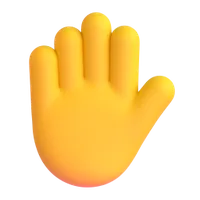 | M | mano | hand | |
 | N | nube | cloud | |
| Ñ | ñandú | rhea | ||
 | O | oso | bear | |
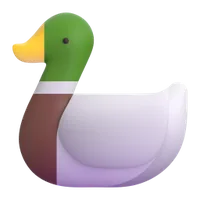 | P | pato | duck | |
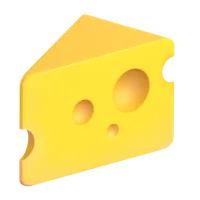 | Q | queso | cheese | |
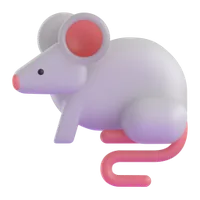 | R | ratón | mouse | |
 | S | sol | sun | |
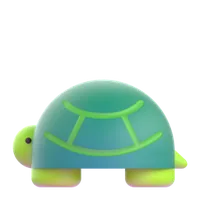 | T | tortuga | turtle | |
 | U | uvas | grapes | |
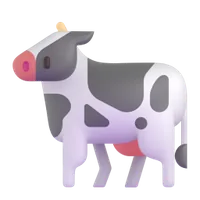 | V | vaca | cow | |
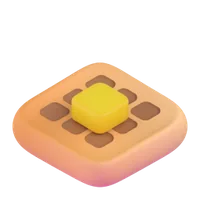 | W | wafle | waffle | |
| X | xilófono | xylophone | ||
 | Y | yoyó | yo-yo | |
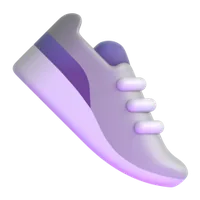 | Z | zapato | shoe |
The Spanish alphabet for kids, called el abecedario or el alfabeto, has 27 letters. It is the English A to Z plus one extra letter, Ñ. On this page every letter comes with one easy picture word, like A de abeja (bee), G de gato (cat) and Z de zapato (shoe). Tap a card to hear the letter and its word in clear audio, then play Find it and let Golu ask for letters one by one.
How many letters are in the Spanish alphabet?
Today the Spanish alphabet has 27 letters: A B C D E F G H I J K L M N Ñ O P Q R S T U V W X Y Z. Older charts, and some grandparents, count 29 or 30, because CH and LL (and sometimes RR) used to be listed as letters. In 2010 the Spanish language academies confirmed that they are pairs of letters (digraphs), not separate letters. Your child will still meet them in words like chocolate, lluvia (rain) and perro (dog), so it is worth pointing them out when you read together.
Spanish letter names and pronunciation
Spanish letters have their own names, and children usually learn these from songs: a, be, ce, de, e, efe, ge, hache, i, jota, ka, ele, eme, ene, eñe, o, pe, cu, erre, ese, te, u, uve, uve doble, equis, ye, zeta. A few are worth knowing:
- H is silent. Helado (ice cream) sounds like "elado".
- J is a breathy sound, a bit like the "ch" in Scottish "loch": jirafa.
- Ñ sounds like "ny" in "canyon": ñandú, niño.
- V and B sound the same in Spanish, which is why vaca starts softly.
- R at the start of a word, and RR, are rolled: ratón, perro. Many Spanish-speaking children only master this at 5 or 6, so do not push it.
- Q is always followed by u, which is silent: queso sounds like "keso".
The audio on this page uses Spain Spanish, where Z and soft C sound like "th". Latin American Spanish says them as "s". Both are correct. For Latin American pronunciation, open the Latin American Spanish pack.
Start with the five vowels (las vocales)
Spanish teachers almost always begin with las vocales: A, E, I, O, U. Each vowel has one short, clear sound, so children can learn them in a week or two. A common classroom rhyme is "A, E, I, O, U, el burro sabe más que tú" ("the donkey knows more than you"), sung with a giggle. Once the vowels are secure, children join them to consonants to make syllables.
From letters to reading: the syllable method
In Spain and Latin America, early reading is usually taught through syllables, not single letter sounds. Children learn ma, me, mi, mo, mu, then pa, pe, pi, po, pu, and quickly build real words: ma + má = mamá, pa + to = pato, me + sa = mesa. Because Spanish spelling is so regular, many five- and six-year-olds read simple words within a few months of starting. If your child learns English phonics at school, this syllable practice at home fits alongside it well.
| Age | Alphabet goal | Try this |
|---|---|---|
| 3-4 | Hears letter names in songs; knows the first letter of their name | Listen mode, 5 letters at a time |
| 4-5 | Knows the five vowels and 8-10 consonants | Find it, then spot letters on packets |
| 5-6 | Reads syllables like ma, pa, sa and short words | Build words with letter cards or magnets |
How to teach the abecedario at home
- Letter of the day. Pick one card, say "¡La letra M! M de mano", and wave your hand.
- Hunt around the house. Find a zapato for Z and a toy pato for P.
- Name game. Children love their own initial: "S de Sofía", "D de Daniel".
- Draw in the air or in sand. Big arm movements come before pencil writing.
- Print this page. The letter chart prints cleanly from your browser for a fridge poster.
Show your child the Ñ on a Spanish keyboard or a food label. Finding the "letter with a hat" is a small thrill for four-year-olds.
If English letters are new too, you can practise both side by side on our ABCD for kids page. Most letters look the same, which helps. Keep the two sets of names separate by using each in its own language: "B" in English, "be" in Spanish.
El abecedario para niños, en español
El abecedario español tiene 27 letras. La más especial es la eñe, que no existe en inglés y aparece en palabras como niño, año y ñandú. En esta página cada letra tiene un dibujo y una palabra fácil: A de abeja, B de ballena, C de casa. Su hijo puede tocar la letra, escucharla y después jugar a encontrarla.
Para aprender a leer, empiece por las vocales y siga con las sílabas: ma, me, mi, mo, mu. Pronto su hijo podrá leer mamá, papá, sol o pato. Jueguen unos minutos al día, canten la canción del abecedario y busquen letras en los carteles de la calle. Celebre cada intento, aunque la erre todavía no salga bien.
When the letters feel easy, move on to numbers in Spanish or the animals in Spanish game, where many of these picture words appear again.
How to use this page at home
Say it, then find it
Play for a few minutes, then look for the same thing away from the screen: spanish words on the shelf, in the kitchen, on the way to school. A child learns a word properly when they meet it twice, once on the screen and once in their hand.
Ten minutes is enough
Short and happy beats long and tired. Stop while your child still wants more, and come back tomorrow: the same page on five short days teaches far more than one long sitting. Nothing here is scored, so there is no reason to push.
Use both languages
Tap the language button at the top to hear the words in your home language first and the second language after. Hearing the same picture named in two languages is one of the few things research agrees builds attention as well as vocabulary.