Vegetables in Indonesian: word list with pictures
30 words · tap 🔊 to hear each one in Indonesian.
| Picture | English | Indonesian | Say it | Listen |
|---|---|---|---|---|
 | Potato | Kentang | ||
 | Tomato | Tomat | ||
 | Onion | Bawang merah | ||
 | Carrot | Wortel | ||
 | Peas | Kacang polong | ||
 | Cucumber | Timun | ||
 | Brinjal | Terong | ||
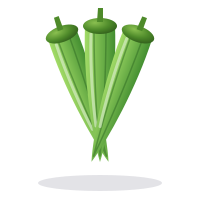 | Okra | Okra | ||
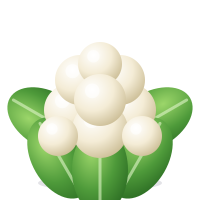 | Cauliflower | Kembang kol | ||
 | Cabbage | Kol | ||
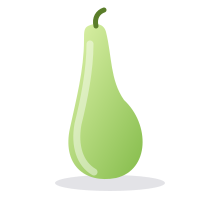 | Bottle Gourd | Labu air | ||
 | Spinach | Bayam | ||
 | Pumpkin | Labu kuning | ||
 | Corn | Jagung | ||
 | Capsicum | Paprika | ||
 | Chilli | Cabai | ||
 | Garlic | Bawang putih | ||
 | Ginger | Jahe | ||
 | Broccoli | Brokoli | ||
 | Mushroom | Jamur | ||
 | Sweet Potato | Ubi | ||
 | Radish | Lobak | ||
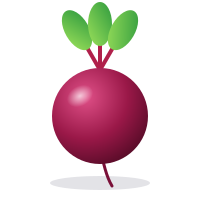 | Beetroot | Bit | ||
 | Bitter Gourd | Pare | ||
 | Green Beans | Buncis | ||
 | Coriander | Daun ketumbar | ||
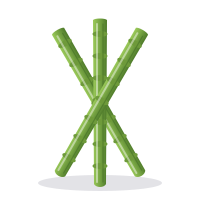 | Drumstick | Kelor | ||
 | Ridge Gourd | Oyong | ||
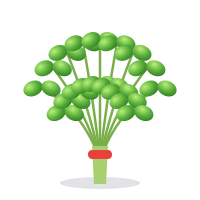 | Fenugreek Leaves | Daun methi | ||
 | Raw Banana | Pisang mentah |
Vegetables name in Indonesian gives your child the words for the food on their plate, and Indonesian cooking uses a lot of vegetables. This page has 30 vegetables (sayuran) with pictures and clear audio: wortel (carrot), bayam (spinach), jagung (corn), kentang (potato), terong (eggplant), buncis (green beans) and many more. Tap a picture to hear it in Indonesian and English.
Vegetables on the Indonesian plate
Children learn food words fastest when they eat the food. Link each word to a dish your family knows:
| Dish | Vegetables inside |
|---|---|
| sayur bayam (clear spinach soup) | bayam, jagung |
| sayur sop (vegetable soup) | wortel, kentang, kol, buncis |
| gado-gado | kol, buncis, timun, kentang |
| sambal | cabai, tomat, bawang merah, bawang putih |
| sayur lodeh | labu, terong, kacang |
Sayur bayam with corn is a classic first vegetable dish for Indonesian toddlers, so bayam and jagung are good first words.
Vegetable names worth a closer look
- Onions: bawang merah is literally "red onion" (the small shallot used everywhere), and bawang putih is "white onion", which means garlic.
- Pumpkins and gourds: labu kuning (pumpkin, "yellow gourd") and labu air (bottle gourd, "water gourd").
- Bitter gourd is pare, and ridge gourd is oyong.
- Kelor is the drumstick (moringa) tree, whose leaves are cooked as sayur bening kelor.
- Ubi is sweet potato, a favourite snack when steamed or fried.
Some words come from Dutch or English, such as wortel (carrot), buncis (beans), brokoli and paprika (capsicum). Children abroad often notice this themselves.
Vegetable names and picky eaters
Naming vegetables in a game is a gentle way to make them familiar before they reach the plate. Research on early eating shows that children often need many friendly exposures to a new food before they taste it. Let your child tap brokoli in the game, then touch, smell and name the real broccoli without pressure to eat it. Praise looking and touching as much as tasting.
How to teach vegetable names in Indonesian
- Kitchen helper. Let your child wash tomat or snap buncis while you say the names.
- Market walk. At the pasar or tukang sayur cart, point and ask "Ini apa?" (What is this?).
- Colour sort. Sort by merah, hijau, kuning: tomato and chilli, spinach and cucumber, corn and pumpkin.
- Grow something. Plant a chilli or a spring onion in a pot. The PAUD theme Tanaman (plants) does exactly this.
- Keep going. Try fruits in Indonesian or the English vegetables name page.
At 2-3, pick five vegetables your child eats. At 4-6, add ones they are unsure about and play Find it. Five minutes, then off to the real kitchen.
Finding Indonesian vegetables abroad
If your family lives outside Indonesia, some of these vegetables may be hard to find, and that is a chance to talk. Kangkung (water spinach) and pare (bitter gourd) are usually sold in Asian grocery shops, where your child can play "spot the sayur" on the shelves. Supermarket vegetables such as wortel, brokoli, kentang and timun are the same everywhere, so name those in Indonesian every time you shop. When you cook a family dish like sayur sop or gado-gado, invite your child to help and name each vegetable as it goes into the pot. A video call with grandparents during cooking gives the words a real audience, and grandparents love being asked "Nek, ini namanya apa?" (Grandma, what is this called?).
In a bilingual home it is fine if your child answers in English at first. Repeat their answer back in Indonesian, "Ya, itu wortel!", without correcting them. Understanding grows long before speaking does.
Nama-nama sayuran untuk anak
Di halaman ini ada 30 sayuran dengan gambar dan suara, seperti wortel, bayam, jagung, kentang, terong, dan buncis. Anak dapat menyentuh gambar dan mendengar namanya dalam bahasa Indonesia dan bahasa Inggris.
Libatkan anak saat memasak: mencuci tomat, memetik buncis, atau memilih sayur di pasar. Anak yang mengenal nama sayuran biasanya lebih berani mencoba makan sayur. Jangan memaksa, cukup beri contoh dan pujian.
Untuk keluarga Indonesia di luar negeri, sebutkan nama sayur dalam bahasa Indonesia setiap kali berbelanja di supermarket. Wortel, kentang, dan timun ada di mana-mana, jadi anak bisa berlatih setiap minggu.
How to use this page at home
Say it, then find it
Play for a few minutes, then look for the same thing away from the screen: indonesian words on the shelf, in the kitchen, on the way to school. A child learns a word properly when they meet it twice, once on the screen and once in their hand.
Ten minutes is enough
Short and happy beats long and tired. Stop while your child still wants more, and come back tomorrow: the same page on five short days teaches far more than one long sitting. Nothing here is scored, so there is no reason to push.
Use both languages
Tap the language button at the top to hear the words in your home language first and the second language after. Hearing the same picture named in two languages is one of the few things research agrees builds attention as well as vocabulary.