Vegetables in Malay: word list with pictures
30 words · tap 🔊 to hear each one in Malay.
| Picture | English | Malay | Say it | Listen |
|---|---|---|---|---|
 | Potato | kentang | ||
 | Tomato | tomato | ||
 | Onion | bawang | ||
 | Carrot | lobak merah | ||
 | Peas | kacang pis | ||
 | Cucumber | timun | ||
 | Brinjal | terung | ||
 | Okra | bendi | ||
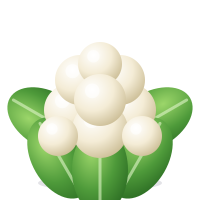 | Cauliflower | kobis bunga | ||
 | Cabbage | kobis | ||
 | Bottle Gourd | labu air | ||
 | Spinach | bayam | ||
 | Pumpkin | labu | ||
 | Corn | jagung | ||
 | Capsicum | lada benggala | ||
 | Chilli | cili | ||
 | Garlic | bawang putih | ||
 | Ginger | halia | ||
 | Broccoli | brokoli | ||
 | Mushroom | cendawan | ||
 | Sweet Potato | ubi keledek | ||
 | Radish | lobak putih | ||
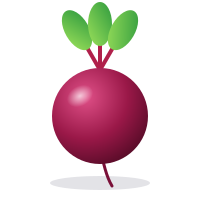 | Beetroot | ubi bit | ||
 | Bitter Gourd | peria | ||
 | Green Beans | kacang buncis | ||
 | Coriander | daun ketumbar | ||
 | Drumstick | kacang kelor | ||
 | Ridge Gourd | petola | ||
 | Fenugreek Leaves | daun halba | ||
 | Raw Banana | pisang muda |
Vegetables name in Malay gives your child words for the food they see in every pasar and on every plate of nasi. This page has 30 vegetables (sayur-sayuran) with pictures and clear audio, including lobak merah (carrot), bendi (okra), terung (eggplant), jagung (corn), bayam (spinach), kobis (cabbage) and cendawan (mushroom). Tap a picture to hear it in Malay and English.
Vegetables in Malaysian food
Children remember food words best when they eat the food, so connect each word to a dish your family cooks:
| Dish | Vegetables inside |
|---|---|
| sayur campur (mixed vegetables) | lobak merah, kobis bunga, brokoli, cendawan |
| sup sayur (vegetable soup) | kentang, lobak merah, kobis, tomato |
| sambal | cili, bawang, bawang putih |
| kari (curry) | kentang, terung, bendi |
| acar (pickle) | timun, lobak merah, cili |
Malay vegetable names worth knowing
- Two kinds of lobak. Lobak merah is "red radish", the carrot, and lobak putih is "white radish", the daikon.
- Onion and garlic. Bawang is onion and bawang putih, "white onion", is garlic.
- Cauliflower. Kobis bunga means "flower cabbage", a nice picture for a child.
- Capsicum. Lada benggala, "Bengal pepper".
- Gourds. Peria (bitter gourd), petola (ridge gourd), labu air (bottle gourd) and labu (pumpkin).
- Sweet potato. Ubi keledek, often boiled or made into kuih.
Halia (ginger), daun ketumbar (coriander leaves) and kacang kelor (drumstick) are in the game too. They show up in Malay, Chinese and Indian Malaysian cooking alike.
Vegetables, words and picky eaters
Many young children are wary of new vegetables. Naming a vegetable in a game, then touching, smelling and helping cook it, makes it familiar without pressure. Children often need many friendly meetings with a food before they try it. Praise curiosity: "Pandai, kamu pegang bendi!" (Clever, you held the okra!). Avoid bribes or battles; the word game is simply one more friendly meeting.
How to teach vegetable names in Malay
- Kitchen helper. Let your child wash tomato or snap kacang buncis while you name them.
- Pasar malam walk. At the night market, ask "Ini apa?" (What is this?) and let your child answer.
- Colour sort. Merah: tomato, chilli. Hijau: bayam, timun. Kuning: jagung, labu.
- Grow one. Plant cili or kangkung in a pot and watch it grow.
- Keep going. Visit fruits in Malay or the English vegetables name page.
At 2-3, choose five vegetables your child already eats. At 4-6, add new ones and play Find it. Stop after five minutes and head to the real kitchen.
How to use the vegetable game
Start in Listen, tapping the vegetables you have at home. When a few feel familiar, try Find it: Golu names a vegetable in Malay and your child taps it. Wrong taps get a hint and a glow, never "wrong". Memory suits 5-6 year olds. Each finished game adds a marble to the Goli Jar.
Malay vegetable words abroad
Outside Malaysia, kentang, lobak merah, brokoli, timun and tomato are sold everywhere, so they are the easiest words to use every week. Asian grocers often stock kangkung, bendi and peria. Cooking a family dish together and naming each vegetable as it goes in is one of the best ways to keep Malay part of home life.
What to expect by age
At 2-3, children learn five or six vegetables best by holding and tasting them. At 3-4, they name 10-15 and sort them by colour. At 4-5, they describe them: "Lobak merah ini keras" (this carrot is hard). At 5-6, they enjoy growing a plant and talking about roots, leaves and fruit, which matches the plant themes in Malaysian preschool science.
Easy Malay phrases for the kitchen
A few short phrases turn cooking into a language lesson: "Tolong ambil lobak merah" (please pass the carrot), "Basuh sayur ini" (wash this vegetable), "Potong kecil-kecil" (cut it small) and "Sedap tak?" (is it tasty?). Use them every time you cook and your child will soon say them back to you.
Nama sayur-sayuran untuk kanak-kanak
Di halaman ini ada 30 jenis sayur dengan gambar dan suara, seperti lobak merah, bendi, terung, jagung, bayam dan kobis. Sentuh gambar untuk mendengar namanya dalam bahasa Melayu dan bahasa Inggeris.
Ajak anak membantu di dapur: membasuh tomato, memetik kacang buncis atau memilih sayur di pasar. Anak yang kenal nama sayur biasanya lebih berani mencuba. Jangan paksa anak makan, cukup tunjukkan contoh dan beri pujian.
Bagi keluarga Melayu di luar negara, sebut nama sayur setiap kali ke pasar raya. Kentang, lobak merah dan timun mudah didapati, manakala kangkung dan bendi boleh dicari di kedai Asia. Masak bersama anak dan sebut nama setiap sayur yang dimasukkan ke dalam periuk.
How to use this page at home
Say it, then find it
Play for a few minutes, then look for the same thing away from the screen: malay words on the shelf, in the kitchen, on the way to school. A child learns a word properly when they meet it twice, once on the screen and once in their hand.
Ten minutes is enough
Short and happy beats long and tired. Stop while your child still wants more, and come back tomorrow: the same page on five short days teaches far more than one long sitting. Nothing here is scored, so there is no reason to push.
Use both languages
Tap the language button at the top to hear the words in your home language first and the second language after. Hearing the same picture named in two languages is one of the few things research agrees builds attention as well as vocabulary.