Fruits in Indonesian: word list with pictures
30 words · tap 🔊 to hear each one in Indonesian.
| Picture | English | Indonesian | Say it | Listen |
|---|---|---|---|---|
 | Mango | Mangga | ||
 | Banana | Pisang | ||
 | Apple | Apel | ||
 | Orange | Jeruk | ||
 | Grapes | Anggur | ||
 | Watermelon | Semangka | ||
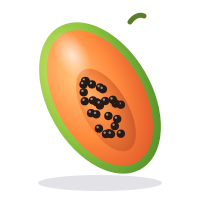 | Papaya | Pepaya | ||
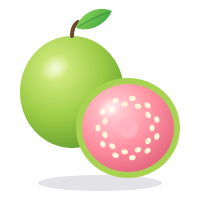 | Guava | Jambu biji | ||
 | Pineapple | Nanas | ||
 | Strawberry | Stroberi | ||
 | Cherry | Ceri | ||
 | Lemon | Lemon | ||
 | Coconut | Kelapa | ||
 | Pear | Pir | ||
 | Pomegranate | Delima | ||
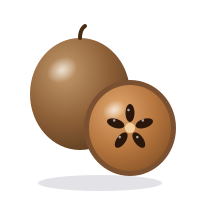 | Sapodilla | Sawo | ||
 | Peach | Persik | ||
 | Muskmelon | Melon | ||
 | Kiwi | Kiwi | ||
 | Green Apple | Apel hijau | ||
 | Blueberry | Bluberi | ||
 | Lime | Jeruk nipis | ||
 | Jackfruit | Nangka | ||
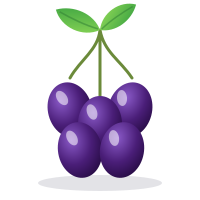 | Java Plum | Jamblang | ||
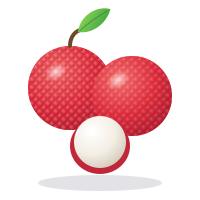 | Lychee | Leci | ||
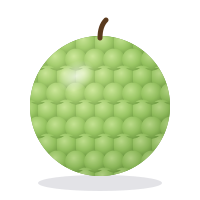 | Custard Apple | Srikaya | ||
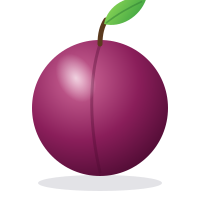 | Plum | Plum | ||
 | Indian Gooseberry | Malaka | ||
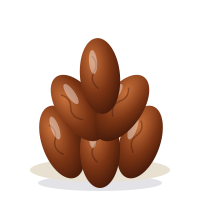 | Dates | Kurma | ||
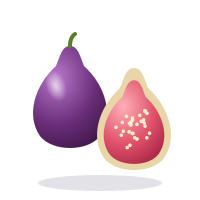 | Fig | Buah tin |
Fruits name in Indonesian is a sweet topic to learn, because Indonesia grows an amazing range of tropical fruit and children see it every day at the pasar (market). This page has 30 fruits with pictures and clear audio, from mangga (mango), pisang (banana) and pepaya (papaya) to nangka (jackfruit), sawo (sapodilla) and srikaya (custard apple). Tap a picture to hear the name in Indonesian and English, then play Find it.
Everyday fruits in Indonesian
Begin with the fruits your child eats most. In many Indonesian homes that means pisang, jeruk (orange), pepaya, semangka (watermelon) and apel (apple). Next come anggur (grapes), nanas (pineapple), jambu biji (guava) and kelapa (coconut). Many fruit names sound close to English, such as melon, kiwi, lemon, stroberi and ceri, which gives a child a quick win.
Tropical fruits children in Indonesia love
Several fruits in the game are everyday treats in Indonesia but rare in cold countries, so they are lovely to discuss with children abroad:
- Nangka (jackfruit), the giant spiky fruit, eaten sweet or cooked in gudeg in Yogyakarta.
- Sawo (sapodilla), brown and soft, tasting a bit like caramel.
- Srikaya (custard apple), with bumpy green skin and creamy white flesh.
- Leci (lychee) and jambu biji (guava), often made into juice.
- Jeruk nipis (lime), squeezed on soto and fried snacks.
Durian, rambutan and salak (snake fruit) are not in this game, but they are famous Indonesian fruits. Kindergartens often name them in TK A as local fruits, so mention them when you see them at the market.
Fruits by colour in Indonesian
Sorting fruit by colour links two topics at once. Use this table with our colours in Indonesian game:
| Colour | Fruits |
|---|---|
| merah (red) | apel, stroberi, ceri, delima |
| kuning (yellow) | pisang, nanas, lemon, mangga |
| hijau (green) | apel hijau, jeruk nipis, kiwi, jambu biji |
| oranye (orange) | jeruk, pepaya, persik |
| ungu (purple) | anggur, plum, jamblang |
| cokelat (brown) | sawo, kurma, kelapa |
Fruit in Indonesian festivals and seasons
Indonesia has a rainy season and a dry season rather than four seasons, and each fruit has its musim: the mango season (musim mangga) peaks in the dry months, and durian and rambutan crowd the markets in the rainy season. During Ramadan, families break the fast with kurma (dates), and fruit es buah is a favourite takjil. At Lebaran, baskets of fruit are given to relatives. These moments are perfect for naming fruit together.
How to teach fruit names at home
- Snack-time naming. Before the first bite, say the fruit's name together: "Ini pisang!" (This is a banana!).
- Market game. Give your child a "shopping list" of three pictures and let them find each fruit.
- Feel bag. Hide a fruit in a cloth bag. Your child feels it and guesses the Indonesian name.
- Play Find it. Golu asks for a fruit and your child taps it. Wrong taps get a gentle hint.
- Cross-link. Try vegetables in Indonesian next, or the English fruits name page.
Toddlers of 2-3 learn 5-8 fruits best with the real fruit in hand. From 4, children can sort by colour and taste (manis, sweet; asam, sour). Keep it fun and short.
Fruit words for Indonesian families abroad
Outside Indonesia, the fruit bowl looks different, but the words still work. Apel, pisang, anggur, pir and stroberi are sold everywhere, so make them the core of your Indonesian fruit talk. When you find mangga, pepaya or nangka in an Asian shop, make it a small event: smell it, cut it together, and tell your child a story about eating it at Nenek's house. Children remember words tied to feelings and family. A short video call where your child shows grandparents a fruit and names it is worth more than a long drill.
Use the game in Find it mode as a quick check after snack time. If your child answers in English, echo the Indonesian word warmly. There is no need to correct; hearing the word again is enough.
Nama-nama buah untuk anak
Halaman ini berisi 30 buah dengan gambar dan suara, seperti mangga, pisang, pepaya, semangka, nangka, dan sawo. Anak cukup menyentuh gambar untuk mendengar nama buah dalam bahasa Indonesia dan bahasa Inggris.
Ajak anak ke pasar atau ke dapur, lalu sebutkan nama buah yang dilihat. Tanyakan warnanya dan rasanya: manis atau asam? Belajar nama buah sambil makan buah juga membiasakan anak dengan makanan sehat.
How to use this page at home
Say it, then find it
Play for a few minutes, then look for the same thing away from the screen: indonesian words on the shelf, in the kitchen, on the way to school. A child learns a word properly when they meet it twice, once on the screen and once in their hand.
Ten minutes is enough
Short and happy beats long and tired. Stop while your child still wants more, and come back tomorrow: the same page on five short days teaches far more than one long sitting. Nothing here is scored, so there is no reason to push.
Use both languages
Tap the language button at the top to hear the words in your home language first and the second language after. Hearing the same picture named in two languages is one of the few things research agrees builds attention as well as vocabulary.