Animals in Dutch: word list with pictures
60 words · tap 🔊 to hear each one in Dutch.
| Picture | English | Dutch | Say it | Listen |
|---|---|---|---|---|
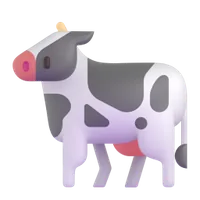 | Cow | de koe | ||
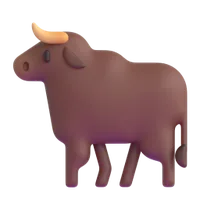 | Bull | de stier | ||
 | Buffalo | de buffel | ||
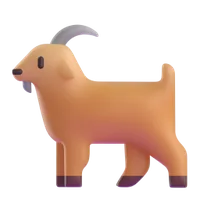 | Goat | de geit | ||
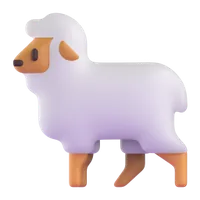 | Sheep | het schaap | ||
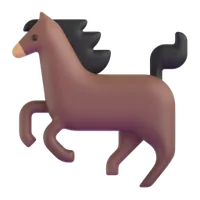 | Horse | het paard | ||
 | Donkey | de ezel | ||
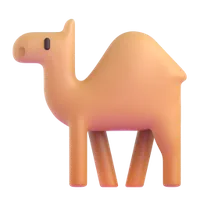 | Camel | de kameel | ||
 | Pig | het varken | ||
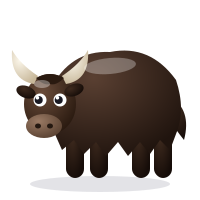 | Yak | de jak | ||
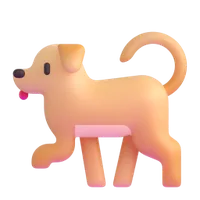 | Dog | de hond | ||
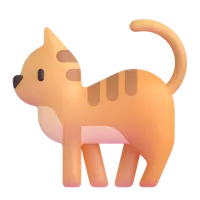 | Cat | de kat | ||
 | Rabbit | het konijn | ||
 | Hamster | de hamster | ||
 | Mouse | de muis | ||
 | Elephant | de olifant | ||
 | Lion | de leeuw | ||
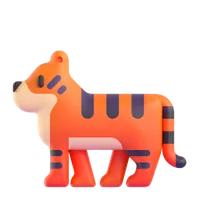 | Tiger | de tijger | ||
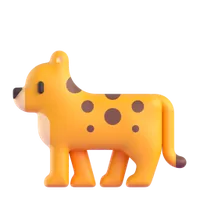 | Leopard | de luipaard | ||
 | Bear | de beer | ||
 | Monkey | de aap | ||
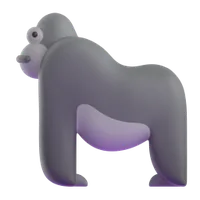 | Gorilla | de gorilla | ||
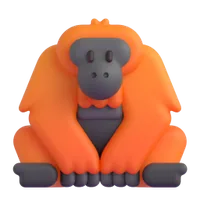 | Orangutan | de orang-oetan | ||
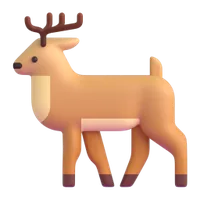 | Deer | het hert | ||
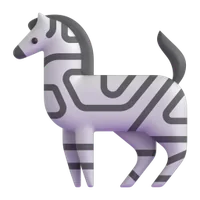 | Zebra | de zebra | ||
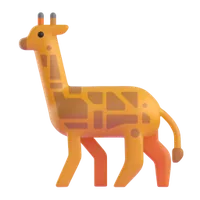 | Giraffe | de giraf | ||
 | Hippo | het nijlpaard | ||
 | Rhino | de neushoorn | ||
 | Fox | de vos | ||
 | Wolf | de wolf | ||
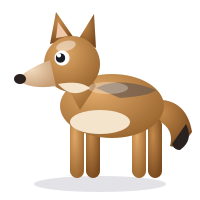 | Jackal | de jakhals | ||
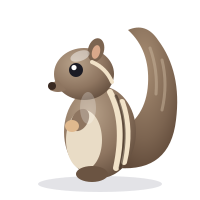 | Squirrel | de eekhoorn | ||
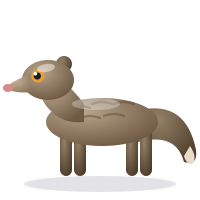 | Mongoose | de mangoest | ||
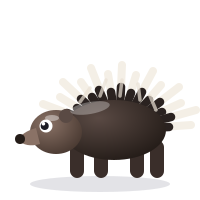 | Porcupine | het stekelvarken | ||
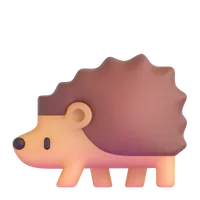 | Hedgehog | de egel | ||
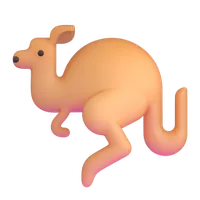 | Kangaroo | de kangoeroe | ||
 | Koala | de koala | ||
 | Panda | de panda | ||
 | Polar Bear | de ijsbeer | ||
 | Sloth | de luiaard | ||
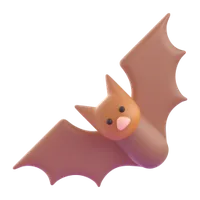 | Bat | de vleermuis | ||
 | Wild Boar | het wilde zwijn | ||
 | Indian Bison | de gaur | ||
 | Rat | de rat | ||
 | Fish | de vis | ||
 | Goldfish | de goudvis | ||
 | Frog | de kikker | ||
 | Whale | de walvis | ||
 | Dolphin | de dolfijn | ||
 | Shark | de haai | ||
 | Octopus | de octopus | ||
 | Crab | de krab | ||
 | Prawn | de garnaal | ||
 | Squid | de pijlinktvis | ||
 | Seal | de zeehond | ||
 | Jellyfish | de kwal | ||
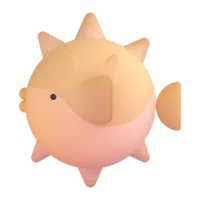 | Pufferfish | de kogelvis | ||
 | Otter | de otter | ||
 | Starfish | de zeester | ||
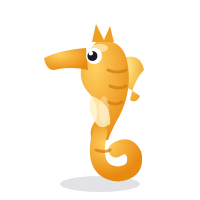 | Seahorse | het zeepaardje |
Animals in Dutch are a perfect first topic, because toddlers love pictures, animal noises and the real animals they meet on walks. This page has 60 animals with pictures and clear audio: farm animals like de koe (cow) and het schaap (sheep), pets like de hond (dog) and de kat (cat), zoo animals like de olifant and de giraf, and sea animals like de walvis (whale) and de zeehond (seal). Tap a picture to hear the Dutch and English name, then play Find it once a few names feel familiar.
Farm animals and pets in Dutch
The Netherlands is famous for black-and-white cows in green fields, so boerderijdieren (farm animals) are an easy start: de koe, de stier (bull), de geit (goat), het schaap, het paard (horse), de ezel (donkey) and het varken (pig). Then come huisdieren (pets): de hond, de kat, het konijn (rabbit), de hamster and de muis (mouse). Most Dutch toddlers call a cat poes or poesje, which is the everyday, cuddly word.
Almost every Dutch town has a kinderboerderij, a free children's farm where kids can stroke goats, feed sheep and chase chickens. It is the perfect place to practise these words with real animals.
Wild and zoo animals in Dutch
Many zoo animals sound close to English: de tijger, de zebra, de gorilla, de panda, de koala, de kangoeroe. Others are new and fun. De aap is monkey, and it is the first word on the alphabet cards: a van aap. De leeuw is lion, the animal on the Dutch coat of arms. The hippo is het nijlpaard, "Nile horse", the rhino de neushoorn, "nose horn", and the sloth de luiaard, "lazy one". Children love taking these names apart.
Dutch woods and dunes have their own animals too: de vos (fox), de egel (hedgehog), de eekhoorn (squirrel), het hert (deer) and het wilde zwijn (wild boar), which lives in the Veluwe forest.
Sea and water animals in Dutch
With so much coast and water, Dutch children know zeedieren well: de vis (fish), de walvis ("whale fish"), de dolfijn, de haai (shark), de krab, de kwal (jellyfish), de garnaal (shrimp) and de zeehond, literally "sea dog". Seals live on the Wadden Sea sandbanks, and families often visit the seal centre at Pieterburen. The seahorse is het zeepaardje, "little sea horse".
De or het: animal articles in Dutch
Dutch nouns take de or het. Most animals take de, but some take het: het paard, het schaap, het varken, het konijn. All little words ending in -je take het: het zeepaardje, het poesje, het hondje. Children do not learn rules at this age. They learn each word with its article, which is why every animal here is spoken with de or het.
Animal sounds in Dutch
A Dutch dog says woef woef, a cat miauw, a cow boe, a duck kwak kwak, a pig knor knor, a sheep bèèè and a rooster kukeleku. Kleuters love farm songs where the whole class makes each animal sound in Dutch. Try our animal sounds game and compare.
How to teach animal names in Dutch at home
- Five at a time. Play Listen with five animals for two minutes.
- Toy animals. Ask "Waar is de koe?" (Where is the cow?) and let your child point.
- Animal moves. "Ik ben een olifant!" Stomp like an elephant, then swap.
- Bike ride spotting. Name every koe, schaap, eend and paard you pass.
- Picture books. Read a Dutch animal book at bedtime and ask "Wat is dit?"
What to expect by age
At two to three, children learn five to ten animal names, usually pets and farm animals, and love copying the sounds. At three to four, they name 15-20 animals and start to sort them into farm, zoo and sea. At four to five, in groep 1, they use sentences like "De leeuw is groot". At five to six, they can say where animals live and what they eat. If your child answers in English while understanding Dutch, that is a normal stage for bilingual children. Keep screen time short and shared; under-twos learn best from real animals and a grown-up. For English and Hindi names, see animals name in Hindi and English, or compare the animals in German.
Dieren leren voor peuters en kleuters
Op deze pagina staan 60 dieren met plaatje en geluid: boerderijdieren zoals de koe, het schaap en het paard, huisdieren zoals de hond en de kat, dierentuindieren zoals de olifant en de giraf, en zeedieren zoals de walvis en de zeehond.
Zeg het lidwoord er altijd bij, doe de dierengeluiden na en ga samen naar de kinderboerderij. Daar kan uw kind de dieren zien, horen en aaien, en onthoudt het de namen vanzelf.
How to use this page at home
Say it, then find it
Play for a few minutes, then look for the same thing away from the screen: dutch words on the shelf, in the kitchen, on the way to school. A child learns a word properly when they meet it twice, once on the screen and once in their hand.
Ten minutes is enough
Short and happy beats long and tired. Stop while your child still wants more, and come back tomorrow: the same page on five short days teaches far more than one long sitting. Nothing here is scored, so there is no reason to push.
Use both languages
Tap the language button at the top to hear the words in your home language first and the second language after. Hearing the same picture named in two languages is one of the few things research agrees builds attention as well as vocabulary.