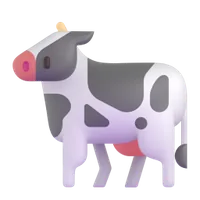
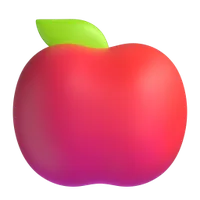
Dutch alphabet chart with pictures
26 letters · tap 🔊 to hear each one.
| Picture | Letter | Word | Meaning | Listen |
|---|---|---|---|---|
 | A | aap | monkey | |
 | B | beer | bear | |
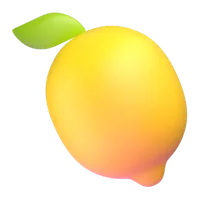 | C | citroen | lemon | |
 | D | dolfijn | dolphin | |
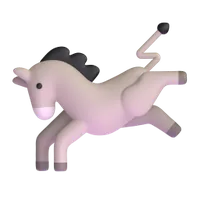 | E | ezel | donkey | |
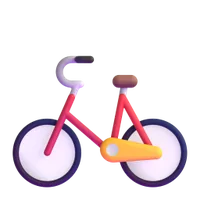 | F | fiets | bicycle | |
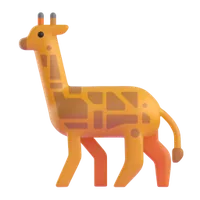 | G | giraf | giraffe | |
 | H | huis | house | |
 | I | inktvis | octopus | |
 | J | jas | coat | |
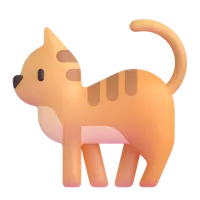 | K | kat | cat | |
 | L | leeuw | lion | |
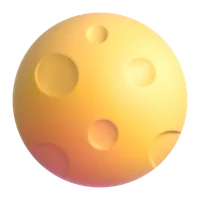 | M | maan | moon | |
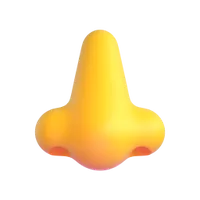 | N | neus | nose | |
 | O | olifant | elephant | |
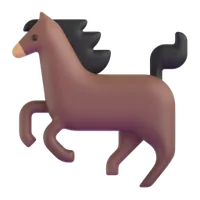 | P | paard | horse | |
 | Q | quiz | quiz | |
 | R | raket | rocket | |
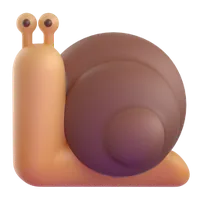 | S | slak | snail | |
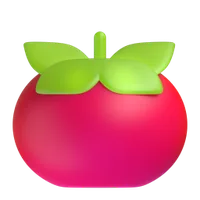 | T | tomaat | tomato | |
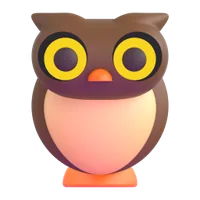 | U | uil | owl | |
 | V | vis | fish | |
 | W | walvis | whale | |
| X | xylofoon | xylophone | ||
| Y | yoghurt | yogurt | ||
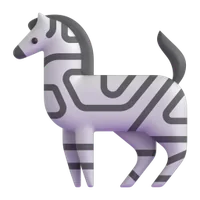 | Z | zebra | zebra |
The Dutch alphabet for kids has the same 26 letters as English, but many of them sound quite different. This page shows every letter on a picture card, the way Dutch kleuter classrooms do: a van aap (a for monkey), b van beer (bear), k van kat, o van olifant and z van zebra. Tap a card to hear the letter and its word in clear audio, then play Find it or Memory.
How many letters are in the Dutch alphabet?
There are 26 letters, A to Z, the same as English. The letters Q, X and Y appear mostly in borrowed words, which is why the cards use quiz, xylofoon and yoghurt. Dutch also has a special pair, ij, which children often learn almost as a 27th letter. In the Netherlands it is called the lange ij ("long ij"), to tell it apart from ei, the korte ei ("short ei"). Both make the same sound, a bit like English "eye" said with a flatter start, as in ijs (ice cream) and ei (egg). At the start of a word, both letters are capitalised: IJsland.
Dutch letter names that differ from English
| Letter | Dutch name (roughly) | Sound in words | Card word |
|---|---|---|---|
| A | "ah" | "ah" | aap (monkey) |
| E | "ay" | "ay" or short "e" | ezel (donkey) |
| G | "khay" | a throaty "kh" | giraf |
| I | "ee" | "i" or "ee" | inktvis (octopus) |
| J | "yay" | English "y" | jas (coat) |
| U | "ew" with round lips | like German ü | uil (owl) |
| V | "fay" | between "v" and "f" | vis (fish) |
| W | "way" | soft "v/w" | walvis (whale) |
The Dutch G is the sound most English speakers notice. It is made at the back of the throat, like the "ch" in Scottish "loch". Children imitate it easily; grown-ups may need a few tries. In the south of the Netherlands and in Flanders the G is softer.
Double vowels and sound pairs
Once children start reading, they meet vowel pairs that each make one sound: aa as in maan (moon), oo as in roos (rose), ee as in been (leg), oe ("oo") as in koe (cow), eu as in neus (nose), ui as in uil (owl) and ou as in oud. Dutch groep 3 classes teach these one by one, often with a picture and a hand sign for each sound. You do not need to teach them at home before school, but pointing them out in picture books helps.
How Dutch schools teach letters
In groep 1 and groep 2, kleuters play with language rather than learn to read. They clap syllables, find rhymes and listen for the first sound of words. Many classes have a "letter of the week" and a lettermuur (letter wall). Teachers say the letter sound, "mmm", more than the letter name, "em". Real reading starts in groep 3 at about six, with short sound-by-sound words like maan, roos and vis. By Christmas of groep 3 most children read simple sentences.
How to teach Dutch letters at home
- Name first. Find the first letter of your child's name and say its Dutch sound.
- Letter hunt. Look for letters on shop signs, cereal boxes and number plates.
- Sound game. "Ik zie, ik zie wat jij niet ziet, en het begint met een k!" (I spy something beginning with k).
- Five letters a week. Play Listen, then Find it with just those letters.
- Make letters. Shape letters from play dough or pipe cleaners, saying the sound.
In December, Sinterklaas brings children a chocoladeletter, a chocolate letter, usually the first letter of their name. It is a lovely, very Dutch way to celebrate learning letters.
What to expect by age
At two to three, children enjoy the pictures and the sounds, and may know the letter of their own name. At three to four, they match a few letters to words: p van paard. At four to five, in groep 1, they start to hear first sounds. At five to six, in groep 2, many know a handful of letters and can write their name. If your child is also learning the English ABCD, it is fine that "j" and "g" sound different in each language; children sort this out with time. Short, shared sessions work best, and praise effort rather than only right answers.
Het alfabet leren voor kinderen
Het Nederlandse alfabet heeft 26 letters. Op deze pagina heeft elke letter een plaatje en een woord: a van aap, b van beer, k van kat, z van zebra. Uw kind tikt op een kaart en hoort de letter en het woord.
Oefen vooral de klanken, net als in groep 2 en groep 3. Zoek letters op borden, verpakkingen en in prentenboeken, en maak er een spelletje van. Een paar minuten per dag is genoeg.
Next, try numbers in Dutch or animals in Dutch, where many alphabet words come back. For comparison, the German alphabet adds umlauts to the same 26 letters.
How to use this page at home
Say it, then find it
Play for a few minutes, then look for the same thing away from the screen: dutch words on the shelf, in the kitchen, on the way to school. A child learns a word properly when they meet it twice, once on the screen and once in their hand.
Ten minutes is enough
Short and happy beats long and tired. Stop while your child still wants more, and come back tomorrow: the same page on five short days teaches far more than one long sitting. Nothing here is scored, so there is no reason to push.
Use both languages
Tap the language button at the top to hear the words in your home language first and the second language after. Hearing the same picture named in two languages is one of the few things research agrees builds attention as well as vocabulary.