Body parts in Dutch: word list with pictures
30 words · tap 🔊 to hear each one in Dutch.
| Picture | English | Dutch | Say it | Listen |
|---|---|---|---|---|
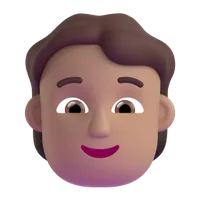 | Head | het hoofd | ||
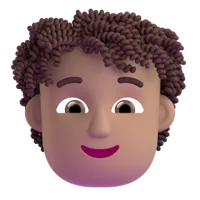 | Hair | het haar | ||
 | Face | het gezicht | ||
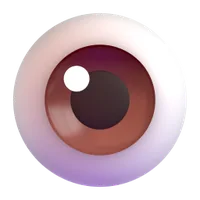 | Eye | het oog | ||
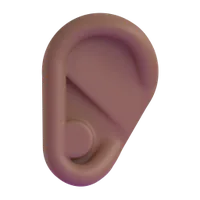 | Ear | het oor | ||
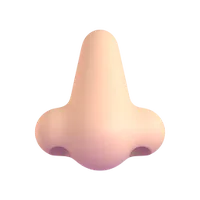 | Nose | de neus | ||
 | Mouth | de mond | ||
 | Lips | de lippen | ||
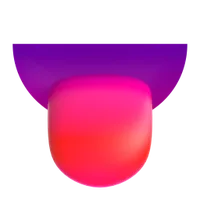 | Tongue | de tong | ||
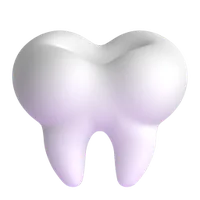 | Teeth | de tanden | ||
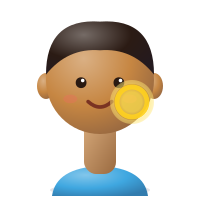 | Cheek | de wang | ||
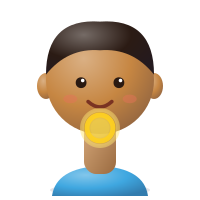 | Chin | de kin | ||
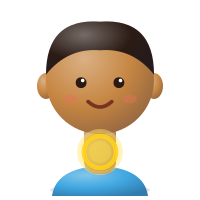 | Neck | de nek | ||
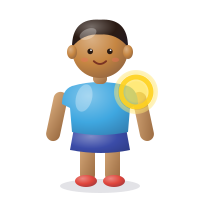 | Shoulder | de schouder | ||
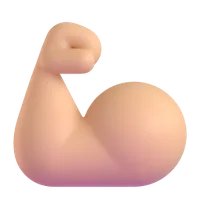 | Arm | de arm | ||
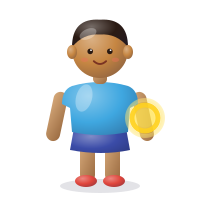 | Elbow | de elleboog | ||
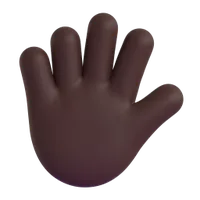 | Hand | de hand | ||
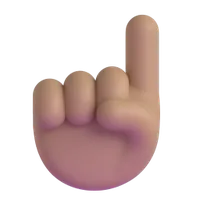 | Finger | de vinger | ||
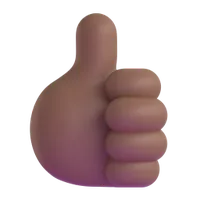 | Thumb | de duim | ||
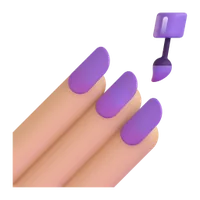 | Nail | de nagel | ||
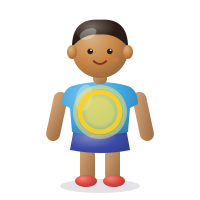 | Tummy | de buik | ||
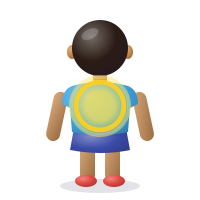 | Back | de rug | ||
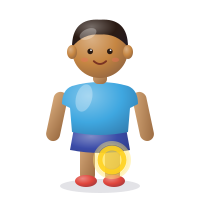 | Knee | de knie | ||
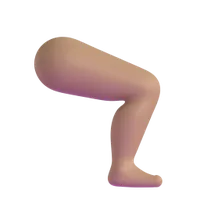 | Leg | het been | ||
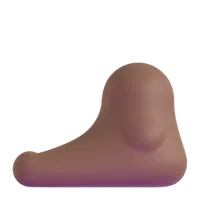 | Foot | de voet | ||
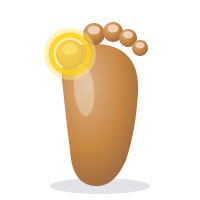 | Toe | de teen | ||
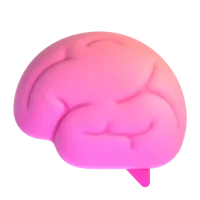 | Brain | de hersenen | ||
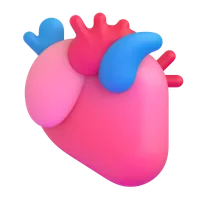 | Heart | het hart | ||
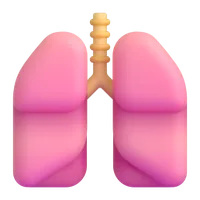 | Lungs | de longen | ||
 | Bones | de botten |
Body parts in Dutch are practical words for bath time, getting dressed, songs and telling a teacher or doctor where it hurts. This page has 30 body parts with pictures and clear audio, from het hoofd (head), de neus (nose) and de buik (tummy) to het hart (heart) and de botten (bones). Tap a picture to hear the Dutch and English word, then play Find it.
Parts of the face in Dutch
The face is the best place to begin, because your child can touch each part: het gezicht (face), het oog (eye), het oor (ear), de neus (nose), de mond (mouth), de lippen (lips), de tong (tongue), de tanden (teeth), de wang (cheek) and de kin (chin). Hair is het haar. Several of these words are very close to English, like tong, kin and lippen, which gives children quick success. N van neus is also on the Dutch alphabet cards.
Arms, legs and the inside of the body
Then add the big body parts: de nek (neck), de schouder (shoulder), de arm, de elleboog (elbow), de hand, de vinger (finger), de duim (thumb), de nagel (nail), de buik, de rug (back), het been (leg), de knie (knee), de voet (foot) and de teen (toe). Watch out for been: in Dutch it means leg, not the English "been". Older children can learn the inside of the body: de hersenen (brain), het hart, de longen (lungs) and de botten (bones).
One and two: body part plurals
| One | Two | English |
|---|---|---|
| een oog | twee ogen | eye / eyes |
| een oor | twee oren | ear / ears |
| een hand | twee handen | hand / hands |
| een voet | twee voeten | foot / feet |
| een been | twee benen | leg / legs |
Most Dutch plurals add -en. Count together with numbers in Dutch: "Hoeveel vingers heb je?" "Tien!"
Songs and rhymes Dutch children know
Every kleuter class sings "Hoofd, schouders, knie en teen", the Dutch version of "Head, shoulders, knees and toes", touching each part and getting faster each round. Finger rhymes name the fingers one by one, starting with the thumb, duim. Babies play "Hoe groot is de baby? Zó groot!" (How big is the baby? This big!), stretching their arms wide. These little rhymes link each word to a movement, which is how body words stick.
How to teach body parts in Dutch at home
- Bath time. Wash each part and name it: "Nu wassen we je voeten."
- Point game. "Waar is je neus?" (Where is your nose?) Let your child point, then swap roles.
- Teddy check-up. Play doctor with a teddy, naming its oren, ogen and buik.
- Body drawing. Draw around your child on a big sheet and label each part together.
- Useful phrase. Teach "Ik heb pijn in mijn buik" (My tummy hurts) so your child can tell a teacher.
New to the Netherlands? Your child will have regular check-ups at the consultatiebureau until age four, and later see the school doctor. Practising body words in Dutch beforehand helps your child feel at ease.
What to expect by age
At two to three, children point to five to ten body parts when asked and say a few: neus, oog, buik. At three to four, they name most face parts and the big body parts. At four to five, in groep 1, they learn elbow, shoulder, chin and cheek, and use plurals. At five to six, they begin to talk about the heart and bones. Body words also help children speak up about their own body. Teach that their body belongs to them, that they can say "Nee" and tell a trusted grown-up. Keep screen sessions short and shared. For English and Hindi words, see body parts name in Hindi and English.
A note for Flemish families: the words on this page are the standard ones that teachers use in both the Netherlands and Flanders, even if you hear a few local variants at home. If you speak another language at home, name body parts in both languages at bath time. Children happily keep two words for one thing, and it strengthens both languages rather than confusing them.
Lichaamsdelen leren voor kleuters
Op deze pagina leert uw kind 30 lichaamsdelen met plaatje en geluid: hoofd, haar, ogen, oren, neus, mond, handen, voeten en nog veel meer. Tik op een plaatje en uw kind hoort het woord in het Nederlands en in het Engels.
Zing samen „Hoofd, schouders, knie en teen”, benoem de lichaamsdelen in bad en speel „Waar is je neus?”. Zo koppelt uw kind elk woord aan het eigen lichaam en onthoudt het de woorden spelenderwijs.
How to use this page at home
Say it, then find it
Play for a few minutes, then look for the same thing away from the screen: dutch words on the shelf, in the kitchen, on the way to school. A child learns a word properly when they meet it twice, once on the screen and once in their hand.
Ten minutes is enough
Short and happy beats long and tired. Stop while your child still wants more, and come back tomorrow: the same page on five short days teaches far more than one long sitting. Nothing here is scored, so there is no reason to push.
Use both languages
Tap the language button at the top to hear the words in your home language first and the second language after. Hearing the same picture named in two languages is one of the few things research agrees builds attention as well as vocabulary.