Fruits in Dutch: word list with pictures
30 words · tap 🔊 to hear each one in Dutch.
| Picture | English | Dutch | Say it | Listen |
|---|---|---|---|---|
 | Mango | de mango | ||
 | Banana | de banaan | ||
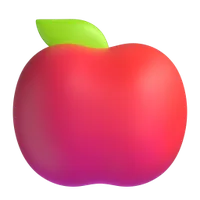 | Apple | de appel | ||
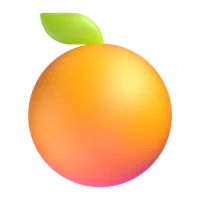 | Orange | de sinaasappel | ||
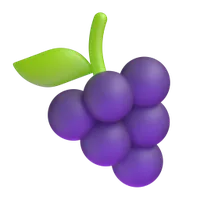 | Grapes | de druiven | ||
 | Watermelon | de watermeloen | ||
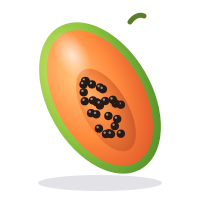 | Papaya | de papaja | ||
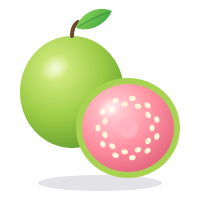 | Guava | de guave | ||
 | Pineapple | de ananas | ||
 | Strawberry | de aardbei | ||
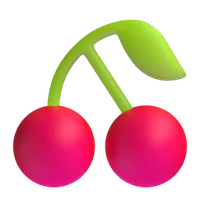 | Cherry | de kers | ||
 | Lemon | de citroen | ||
 | Coconut | de kokosnoot | ||
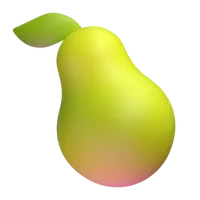 | Pear | de peer | ||
 | Pomegranate | de granaatappel | ||
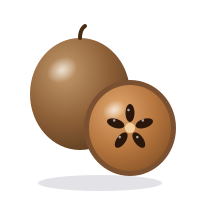 | Sapodilla | de sapodilla | ||
 | Peach | de perzik | ||
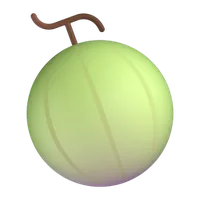 | Muskmelon | de meloen | ||
 | Kiwi | de kiwi | ||
 | Green Apple | de groene appel | ||
 | Blueberry | de blauwe bessen | ||
 | Lime | de limoen | ||
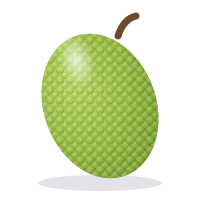 | Jackfruit | de nangka | ||
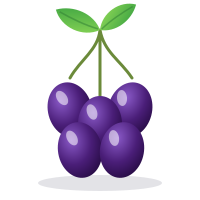 | Java Plum | de jamun | ||
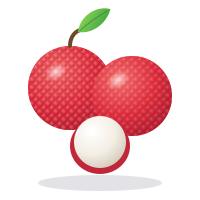 | Lychee | de lychee | ||
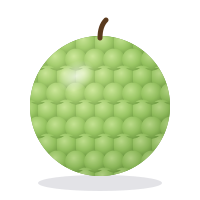 | Custard Apple | de cherimoya | ||
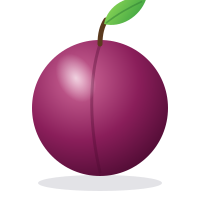 | Plum | de pruim | ||
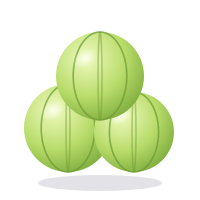 | Indian Gooseberry | de amla | ||
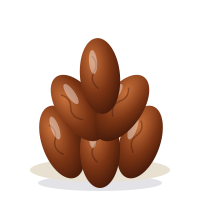 | Dates | de dadels | ||
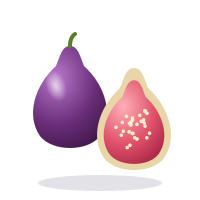 | Fig | de vijg |
Fruits in Dutch are great first words because your child can see, hold and taste them every day. This page has 30 fruits with pictures and clear audio, from de appel (apple), de peer (pear) and de aardbei (strawberry) to tropical fruits like de mango, de ananas (pineapple) and de lychee. Tap a picture to hear the Dutch and English name, then play Find it or Memory.
The first fruits in Dutch to learn
Start with the fruits Dutch children eat most: de appel, de banaan, de peer, de druiven (grapes), de aardbei and de mandarijn. Orange is de sinaasappel, which comes from "China apple", because oranges once arrived in Europe from the east. Strawberry is aardbei, "earth berry", because it grows close to the ground, just like German Erdbeere. Pineapple is ananas, as in most of the world except English.
Most fruits in Dutch take de, so fruit is an easy place to start with articles. Plurals usually add -s or -en: appels, peren, bananen, aardbeien. Count them together with numbers in Dutch: "drie appels".
Fruit at school and at home in the Netherlands
Fruit is a daily habit for Dutch children. In groep 1 and groep 2, kleuters bring a piece of fruit or a snack for the mid-morning break, often called fruit eten or the tien-uurtje (ten o'clock snack). Many schools have fixed fruit days, and some take part in a national school fruit programme that delivers fruit to classrooms. Babies start with a fruithapje, mashed fruit, and older children love appelmoes (apple sauce) with dinner.
Dutch fruit through the seasons
| Season | Local fruit | Family idea |
|---|---|---|
| Late spring | aardbeien | Pick your own strawberries at a farm |
| Summer | kersen, bessen | Cherries from the Betuwe orchards |
| Late summer | pruimen | Plum picking and plum tart |
| Autumn | appels, peren | Apple picking; the Elstar apple is a Dutch variety |
| Winter | mandarijnen, sinaasappels | Sinterklaas and a fruit bowl for cold days |
The fruit list is shared with our Indian pages, so it also has fruits such as de guave, de nangka (jackfruit) and de amla. Some are easy to find in Dutch cities with Surinamese, Indonesian and Indian shops; others are a fun trip around the world. The Dutch word nangka comes from Indonesian.
How to teach fruit names in Dutch at home
- Fruit bowl game. Put three fruits on the table: "Waar is de peer?"
- Market trip. At the weekly market, let your child name each fruit before you buy it.
- Colour sort. "De aardbei is rood, de banaan is geel." Pair it with colours in Dutch.
- Snack talk. "Wil je een appel?" "Ja, graag!" (Would you like an apple? Yes, please!)
- Taste test. Close your eyes, taste a piece and guess the fruit in Dutch.
Pack your child's school fruit together each morning and name it in Dutch. It is a two-minute daily habit that keeps the words fresh.
What to expect by age
At two to three, children learn five or six fruit names and enjoy tapping and eating. At three to four, they name ten or more and match fruits to colours. At four to five, they say what they like: "Ik vind aardbeien lekker." At five to six, they sort fruits by season, colour or where they grow. Never force tasting; a look and a sniff are enough to learn a word. Keep screen time short and shared, then switch to the real fruit bowl. For English and Hindi names, see fruits name in Hindi and English, or compare the fruits in German.
If your family eats Surinamese, Indonesian or Indian food at home, this list is a nice bridge: many tropical fruits here have Dutch names borrowed from those languages. Name the fruit in your home language first, then in Dutch, and let your child teach you the English. Being the "teacher" makes children proud and keeps all their languages active.
Fruit leren voor peuters
Hier leert uw kind 30 soorten fruit met plaatje en geluid: de appel, de peer, de banaan, de aardbei, de druiven en nog veel meer. Tik op een plaatje en uw kind hoort het woord in het Nederlands en in het Engels.
Neem uw kind mee naar de markt en laat het fruit benoemen. Tel de appels, sorteer het fruit op kleur en praat over de seizoenen: aardbeien in juni, kersen in de zomer, appels en peren in de herfst. Zo wordt fruit leren een deel van de dag.
How to use this page at home
Say it, then find it
Play for a few minutes, then look for the same thing away from the screen: dutch words on the shelf, in the kitchen, on the way to school. A child learns a word properly when they meet it twice, once on the screen and once in their hand.
Ten minutes is enough
Short and happy beats long and tired. Stop while your child still wants more, and come back tomorrow: the same page on five short days teaches far more than one long sitting. Nothing here is scored, so there is no reason to push.
Use both languages
Tap the language button at the top to hear the words in your home language first and the second language after. Hearing the same picture named in two languages is one of the few things research agrees builds attention as well as vocabulary.