Animals in German: word list with pictures
60 words · tap 🔊 to hear each one in German.
| Picture | English | German | Say it | Listen |
|---|---|---|---|---|
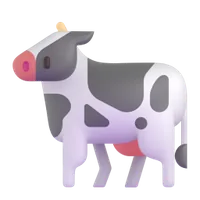 | Cow | die Kuh | ||
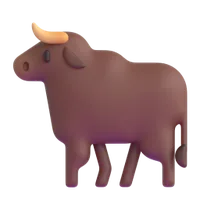 | Bull | der Stier | ||
 | Buffalo | der Büffel | ||
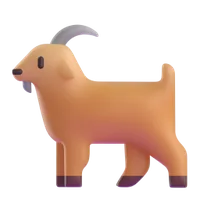 | Goat | die Ziege | ||
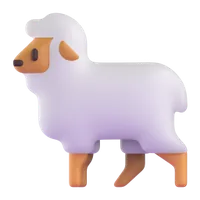 | Sheep | das Schaf | ||
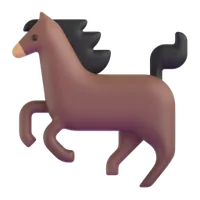 | Horse | das Pferd | ||
 | Donkey | der Esel | ||
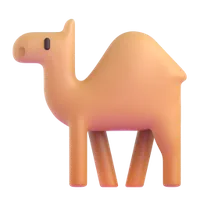 | Camel | das Kamel | ||
 | Pig | das Schwein | ||
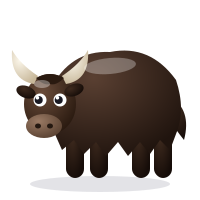 | Yak | der Yak | ||
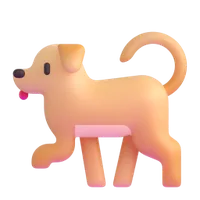 | Dog | der Hund | ||
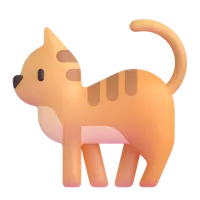 | Cat | die Katze | ||
 | Rabbit | das Kaninchen | ||
 | Hamster | der Hamster | ||
 | Mouse | die Maus | ||
 | Elephant | der Elefant | ||
 | Lion | der Löwe | ||
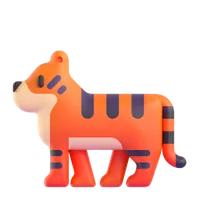 | Tiger | der Tiger | ||
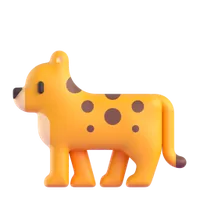 | Leopard | der Leopard | ||
 | Bear | der Bär | ||
 | Monkey | der Affe | ||
 | Gorilla | der Gorilla | ||
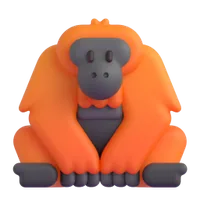 | Orangutan | der Orang-Utan | ||
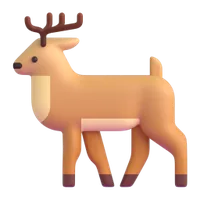 | Deer | das Reh | ||
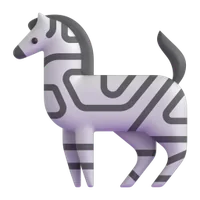 | Zebra | das Zebra | ||
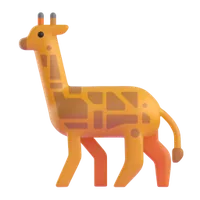 | Giraffe | die Giraffe | ||
 | Hippo | das Nilpferd | ||
 | Rhino | das Nashorn | ||
 | Fox | der Fuchs | ||
 | Wolf | der Wolf | ||
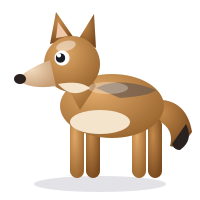 | Jackal | der Schakal | ||
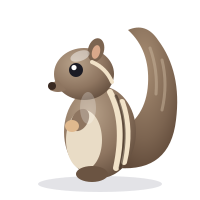 | Squirrel | das Eichhörnchen | ||
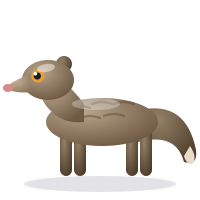 | Mongoose | der Mungo | ||
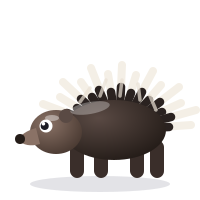 | Porcupine | das Stachelschwein | ||
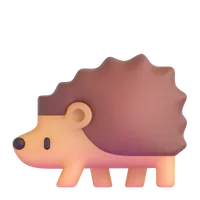 | Hedgehog | der Igel | ||
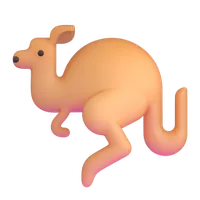 | Kangaroo | das Känguru | ||
 | Koala | der Koala | ||
 | Panda | der Panda | ||
 | Polar Bear | der Eisbär | ||
 | Sloth | das Faultier | ||
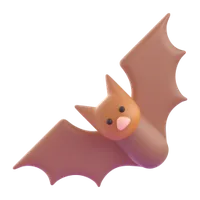 | Bat | die Fledermaus | ||
 | Wild Boar | das Wildschwein | ||
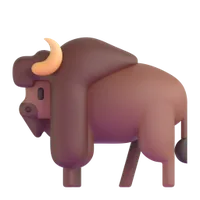 | Indian Bison | der Gaur | ||
 | Rat | die Ratte | ||
 | Fish | der Fisch | ||
 | Goldfish | der Goldfisch | ||
 | Frog | der Frosch | ||
 | Whale | der Wal | ||
 | Dolphin | der Delfin | ||
 | Shark | der Hai | ||
 | Octopus | der Oktopus | ||
 | Crab | die Krabbe | ||
 | Prawn | die Garnele | ||
 | Squid | der Tintenfisch | ||
 | Seal | die Robbe | ||
 | Jellyfish | die Qualle | ||
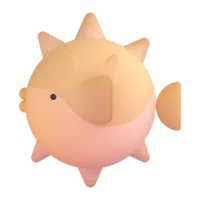 | Pufferfish | der Kugelfisch | ||
 | Otter | der Otter | ||
 | Starfish | der Seestern | ||
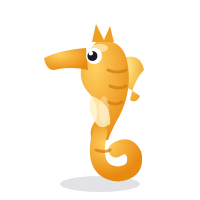 | Seahorse | das Seepferdchen |
Animals in German are often the very first words a child learns, because every animal comes with a picture, a funny sound and a story. This page has 60 animals with pictures and clear audio: farm animals like die Kuh (cow) and das Schwein (pig), pets like der Hund (dog) and die Katze (cat), wild animals like der Löwe (lion), and sea animals like der Wal (whale) and das Seepferdchen (seahorse). Tap a picture to hear the German and English name, then play Find it once a few names feel familiar.
Farm animals and pets in German
Start with Bauernhoftiere (farm animals), which German picture books are full of: die Kuh (cow), der Stier (bull), die Ziege (goat), das Schaf (sheep), das Pferd (horse), der Esel (donkey) and das Schwein (pig). Then add Haustiere (pets): der Hund, die Katze, das Kaninchen (rabbit), der Hamster and die Maus (mouse). These twelve words cover most animals a two- or three-year-old meets.
Wild, zoo and forest animals in German
Many zoo animals sound almost the same in German and English, which gives children a quick win: der Elefant, der Tiger, das Zebra, die Giraffe, der Gorilla, der Koala, der Panda. Others are fun because they describe the animal. The hippo is das Nilpferd, "Nile horse". The rhino is das Nashorn, "nose horn". The sloth is das Faultier, "lazy animal", and the bat is die Fledermaus, "fluttering mouse". The porcupine is das Stachelschwein, "prickly pig". Children love these word pictures.
German children also grow up with forest animals, because a walk in the Wald (forest) is a weekend habit and many German towns have Waldkindergärten, forest kindergartens where children play outdoors in all weather. Look for der Fuchs (fox), der Igel (hedgehog), das Eichhörnchen (squirrel), das Reh (deer) and das Wildschwein (wild boar). The hedgehog is a star of German children's books and garden life.
Sea animals in German
Meerestiere include der Fisch, der Wal, der Delfin, der Hai (shark), die Krabbe (crab), die Qualle (jellyfish), die Robbe (seal) and der Seestern, "sea star". The seahorse is das Seepferdchen, "little sea horse". The ending -chen makes anything small and cute, and it always takes das.
Der, die, das: why animals have different articles
Every German noun has a gender, shown by its article: der (masculine), die (feminine) or das (neuter). The article does not always match the animal. Die Katze is feminine even for a tomcat, and das Pferd is neuter. There is no need to explain this to a young child. The words on this page are always spoken with their article, so your child hears der Hund as one chunk, which is how German children learn it.
Colour-code at home: some German teachers use blue for der, red for die and green for das. Stick a small coloured dot on toy animals to make gender visible for older children.
Animal sounds in German
Animals "speak" German too. A dog says wau wau, a cat miau, a cow muh, a duck quak quak, a rooster kikeriki, a sheep mäh and a pig grunz grunz. The song "Alle meine Entchen" (All my little ducks) is known by nearly every German child. Compare sounds across languages with our animal sounds game.
How to teach animal names in German at home
- Five at a time. Choose five animals and play Listen for two minutes.
- Toy farm. Put toy animals on the floor and ask "Wo ist das Pferd?" (Where is the horse?).
- Move like animals. Say "Ich bin ein Affe!" and move like a monkey. Take turns.
- Nature walk. Name every Hund, Vogel and Ente you see in the park.
- Link to letters. Many animals appear on the German alphabet cards: A wie Affe, I wie Igel.
What to expect by age
At two to three, children learn five to ten animals in German, mostly pets and farm animals, and they enjoy the sounds most. At three to four, they name 15-20 animals and sort them into farm, forest and sea. At four to five, they use short sentences like "Der Löwe ist groß". At five to six, some read short names like Hund or Wal. If your child is shy, let them point first; speaking follows understanding. In a bilingual home, it is fine for your child to answer in English while understanding German. Keep sessions short and shared; under-twos learn best with real animals, books and a grown-up. For English and Hindi names, see animals name in Hindi and English.
Tiere für Kinder lernen
Auf dieser Seite gibt es 60 Tiere mit Bild und Ton: Bauernhoftiere wie die Kuh, das Schaf und das Pferd, Haustiere wie der Hund und die Katze, Waldtiere wie der Fuchs und der Igel, und Meerestiere wie der Wal und die Qualle.
Sagen Sie jedes Tier immer mit dem Artikel, machen Sie die Tierstimmen nach und suchen Sie die Tiere im Bilderbuch, im Zoo oder beim Spaziergang im Wald. So lernt Ihr Kind die Wörter ganz nebenbei.
How to use this page at home
Say it, then find it
Play for a few minutes, then look for the same thing away from the screen: german words on the shelf, in the kitchen, on the way to school. A child learns a word properly when they meet it twice, once on the screen and once in their hand.
Ten minutes is enough
Short and happy beats long and tired. Stop while your child still wants more, and come back tomorrow: the same page on five short days teaches far more than one long sitting. Nothing here is scored, so there is no reason to push.
Use both languages
Tap the language button at the top to hear the words in your home language first and the second language after. Hearing the same picture named in two languages is one of the few things research agrees builds attention as well as vocabulary.