Animals in Korean: word list with pictures
60 words · tap 🔊 to hear each one in Korean.
| Picture | English | Korean | Say it | Listen |
|---|---|---|---|---|
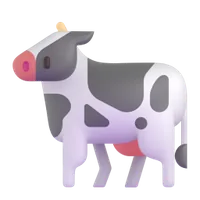 | Cow | 소 | so | |
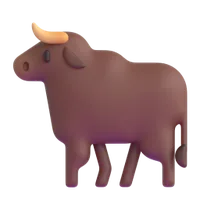 | Bull | 황소 | hwangso | |
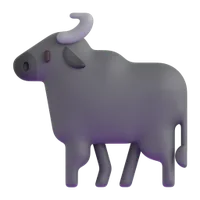 | Buffalo | 물소 | mulso | |
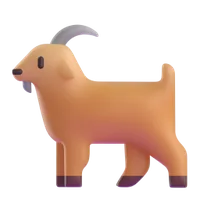 | Goat | 염소 | yeomso | |
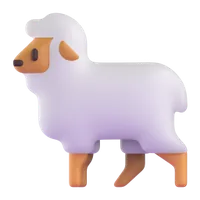 | Sheep | 양 | yang | |
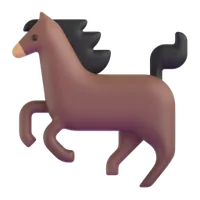 | Horse | 말 | mal | |
 | Donkey | 당나귀 | dangnagwi | |
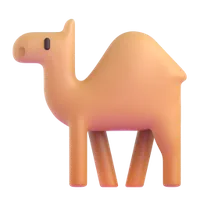 | Camel | 낙타 | nakta | |
 | Pig | 돼지 | dwaeji | |
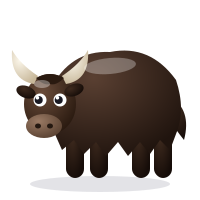 | Yak | 야크 | yakeu | |
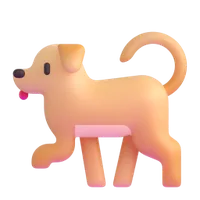 | Dog | 강아지 | gangaji | |
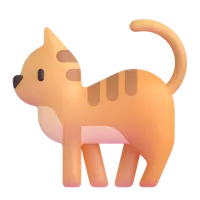 | Cat | 고양이 | goyangi | |
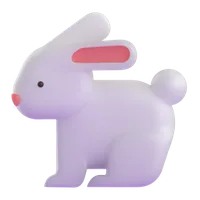 | Rabbit | 토끼 | tokki | |
 | Hamster | 햄스터 | haemseuteo | |
 | Mouse | 생쥐 | saengjwi | |
 | Elephant | 코끼리 | kokkiri | |
 | Lion | 사자 | saja | |
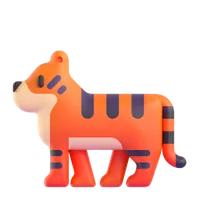 | Tiger | 호랑이 | horangi | |
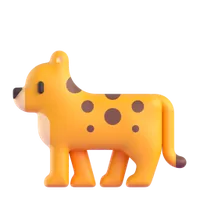 | Leopard | 표범 | pyobeom | |
 | Bear | 곰 | gom | |
 | Monkey | 원숭이 | wonsungi | |
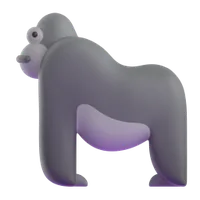 | Gorilla | 고릴라 | gorilla | |
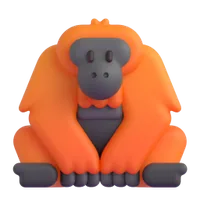 | Orangutan | 오랑우탄 | orangutan | |
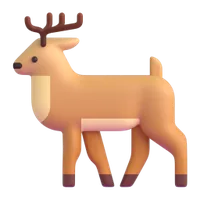 | Deer | 사슴 | saseum | |
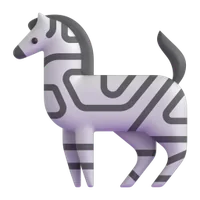 | Zebra | 얼룩말 | eollukmal | |
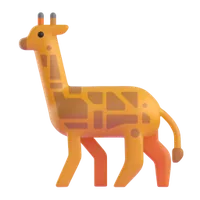 | Giraffe | 기린 | girin | |
 | Hippo | 하마 | hama | |
 | Rhino | 코뿔소 | koppulso | |
 | Fox | 여우 | yeou | |
 | Wolf | 늑대 | neukdae | |
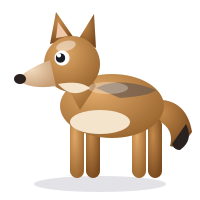 | Jackal | 자칼 | jakal | |
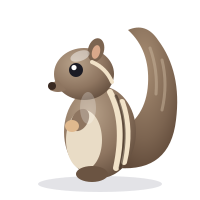 | Squirrel | 다람쥐 | daramjwi | |
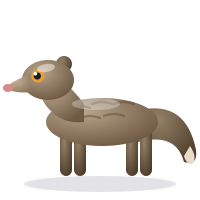 | Mongoose | 몽구스 | mongguseu | |
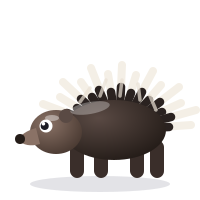 | Porcupine | 호저 | hojeo | |
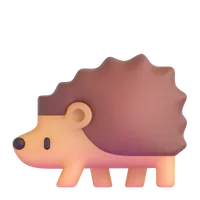 | Hedgehog | 고슴도치 | goseumdochi | |
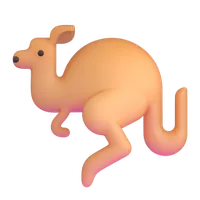 | Kangaroo | 캥거루 | kaenggeoru | |
 | Koala | 코알라 | koalla | |
 | Panda | 판다 | panda | |
 | Polar Bear | 북극곰 | bukgeukgom | |
 | Sloth | 나무늘보 | namuneulbo | |
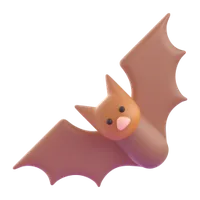 | Bat | 박쥐 | bakjwi | |
 | Wild Boar | 멧돼지 | metdwaeji | |
 | Indian Bison | 들소 | deulso | |
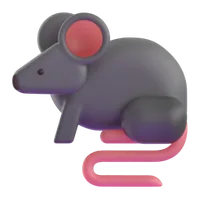 | Rat | 쥐 | jwi | |
 | Fish | 물고기 | mulgogi | |
 | Goldfish | 금붕어 | geumbungeo | |
 | Frog | 개구리 | gaeguri | |
 | Whale | 고래 | gorae | |
 | Dolphin | 돌고래 | dolgorae | |
 | Shark | 상어 | sangeo | |
 | Octopus | 문어 | muneo | |
 | Crab | 게 | ge | |
 | Prawn | 새우 | saeu | |
 | Squid | 오징어 | ojingeo | |
 | Seal | 물범 | mulbeom | |
 | Jellyfish | 해파리 | haepari | |
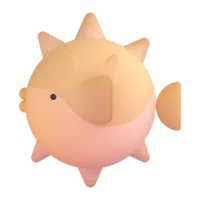 | Pufferfish | 복어 | bogeo | |
 | Otter | 수달 | sudal | |
 | Starfish | 불가사리 | bulgasari | |
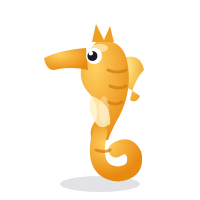 | Seahorse | 해마 | haema |
Animals in Korean are one of the most fun topics for young learners, because Korean is full of playful animal sounds and many animal names are easy to say. This page has 60 animals with pictures, romanization and clear audio, from pets like 강아지 (gangaji, puppy) and 고양이 (goyangi, cat) to wild animals like 호랑이 (horangi, tiger) and sea animals like 고래 (gorae, whale). Tap a picture to hear its name in Korean and English, then play Find it or Memory.
Farm animals and pets in Korean
Start with the animals in your child's picture books: 소 (so, cow), 말 (mal, horse), 돼지 (dwaeji, pig), 염소 (yeomso, goat), 양 (yang, sheep), 당나귀 (dangnagwi, donkey) and 낙타 (nakta, camel). At home: 강아지 (puppy), 고양이 (cat), 토끼 (tokki, rabbit), 햄스터 (haemseuteo, hamster) and 금붕어 (geumbungeo, goldfish). Korean families usually call a pet dog 강아지, which strictly means puppy, because it sounds warmer than the plain word 개 (gae).
Notice the 소 family: 황소 (hwangso, bull), 물소 (mulso, buffalo, "water cow"), 들소 (deulso, bison, "field cow") and 코뿔소 (koppulso, rhino, "nose-horn cow"). Five-year-olds love working out these word puzzles.
Wild and zoo animals in Korean
At the zoo your child can spot 코끼리 (kokkiri, elephant), 사자 (saja, lion), 호랑이 (tiger), 곰 (gom, bear), 원숭이 (wonsungi, monkey), 기린 (girin, giraffe), 얼룩말 (eollukmal, zebra, "spotted horse"), 하마 (hama, hippo), 여우 (yeou, fox), 늑대 (neukdae, wolf) and 판다 (panda). Some names describe the animal: the polar bear is 북극곰 ("North Pole bear"), the sloth is 나무늘보 ("tree lazybones") and the hedgehog is 고슴도치 (goseumdochi), a word children love to repeat.
Sea animals in Korean
Korea is surrounded by sea on three sides, and sea words appear at every meal. The game includes 물고기 (mulgogi, fish, "water meat"), 고래 (whale), 돌고래 (dolgorae, dolphin), 상어 (sangeo, shark), 문어 (muneo, octopus), 오징어 (ojingeo, squid), 게 (ge, crab), 새우 (saeu, prawn), 해파리 (haepari, jellyfish), 불가사리 (bulgasari, starfish) and 해마 (haema, seahorse, "sea horse"). Many Korean children's songs feature sharks and whales, so these words are often favourites.
Animal sounds in Korean
| Animal | Korean sound | Say it |
|---|---|---|
| Dog 강아지 | 멍멍 | meong meong |
| Cat 고양이 | 야옹 | yaong |
| Cow 소 | 음매 | eummae |
| Pig 돼지 | 꿀꿀 | kkul kkul |
| Frog 개구리 | 개굴개굴 | gaegul gaegul |
| Horse 말 | 히힝 | hihing |
The frog is a lovely example: its name 개구리 comes from its sound 개굴개굴. Korean toddlers often call a dog 멍멍이 after its bark. Try the animal sounds game, then make each Korean sound together.
Animals in Korean culture and stories
- The tiger (호랑이) is Korea's best-loved animal in folk tales. Korean stories often begin "호랑이 담배 피우던 시절에", "back when tigers smoked pipes", the Korean way of saying "once upon a time".
- The bear (곰) appears in the founding myth of Korea, where a patient bear became a woman. "Three Bears" (곰 세 마리) is also one of the most popular Korean children's songs.
- The Korean zodiac (띠) uses the same twelve animals as the Chinese zodiac; children proudly tell you if they are a tiger (호랑이띠) or a rabbit (토끼띠).
How to teach animals in Korean at home
- Age 2-3: five animals and their sounds: "멍멍! 강아지야".
- Age 3-4: Find it with Golu, who asks "고양이 어디 있어?" (Where's the cat?).
- Age 4-5: sort toy animals into farm, zoo and sea groups, naming each one.
- Age 5-6: find the first letter of each animal on the Korean alphabet chart: ㅌ for 토끼, ㅋ for 코끼리, ㅎ for 하마.
Korean counts animals with the counter 마리: 강아지 한 마리 (one puppy), 곰 세 마리 (three bears). Use it naturally while counting toy animals, and link it to numbers in Korean.
After five minutes of play, look for real animals: a cat in the street, pigeons in the park, fish at the market. Naming real animals makes the words stick.
Dog, cat, tiger: quick answers
Dog in Korean is 개 (gae), and puppy is 강아지. Cat in Korean is 고양이. Tiger in Korean is 호랑이, rabbit in Korean is 토끼, bear in Korean is 곰 and elephant in Korean is 코끼리. Fish in Korean is 물고기 when swimming and 생선 when it is food on the table.
For heritage and bilingual families
Singing "Three Bears" together, then tapping 곰 in the game, is a wonderful bridge between home and screen. The word list above prints from your browser as a Korean animals chart with romanization; there is no separate PDF. Compare with animals in Japanese or the English animals name page.
동물 이름, 이렇게 놀아요
아이들은 동물 소리를 정말 좋아해요. "멍멍", "야옹", "음매", "꿀꿀" 소리를 흉내 내면서 "강아지", "고양이", "소", "돼지" 이름도 함께 말해 보세요. 그림책이나 동물원에서 동물을 보면 손가락으로 가리키며 이름을 말해 주세요.
"곰 세 마리" 노래를 부르고, 장난감 동물을 "한 마리, 두 마리" 세어 보는 것도 좋아요. 다섯 살쯤 되면 동물 이름의 첫 글자를 찾아보세요. "토끼"는 ㅌ, "하마"는 ㅎ. 아이가 잘하면 꼭 안아 주고 칭찬해 주세요.
How to use this page at home
Say it, then find it
Play for a few minutes, then look for the same thing away from the screen: korean words on the shelf, in the kitchen, on the way to school. A child learns a word properly when they meet it twice, once on the screen and once in their hand.
Ten minutes is enough
Short and happy beats long and tired. Stop while your child still wants more, and come back tomorrow: the same page on five short days teaches far more than one long sitting. Nothing here is scored, so there is no reason to push.
Use both languages
Tap the language button at the top to hear the words in your home language first and the second language after. Hearing the same picture named in two languages is one of the few things research agrees builds attention as well as vocabulary.