Vegetables in Korean: word list with pictures
30 words · tap 🔊 to hear each one in Korean.
| Picture | English | Korean | Say it | Listen |
|---|---|---|---|---|
 | Potato | 감자 | gamja | |
 | Tomato | 토마토 | tomato | |
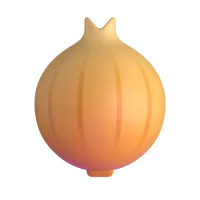 | Onion | 양파 | yangpa | |
 | Carrot | 당근 | danggeun | |
 | Peas | 완두콩 | wandukong | |
 | Cucumber | 오이 | oi | |
 | Brinjal | 가지 | gaji | |
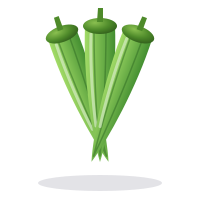 | Okra | 오크라 | okeura | |
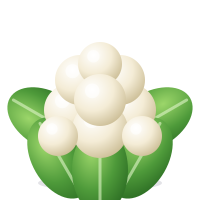 | Cauliflower | 콜리플라워 | kollipeullawo | |
 | Cabbage | 양배추 | yangbaechu | |
 | Bottle Gourd | 박 | bak | |
 | Spinach | 시금치 | sigeumchi | |
 | Pumpkin | 호박 | hobak | |
 | Corn | 옥수수 | oksusu | |
 | Capsicum | 피망 | pimang | |
 | Chilli | 고추 | gochu | |
 | Garlic | 마늘 | maneul | |
 | Ginger | 생강 | saenggang | |
 | Broccoli | 브로콜리 | beurokolli | |
 | Mushroom | 버섯 | beoseot | |
 | Sweet Potato | 고구마 | goguma | |
 | Radish | 무 | mu | |
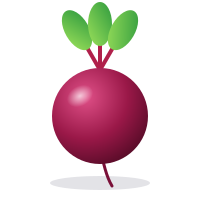 | Beetroot | 비트 | biteu | |
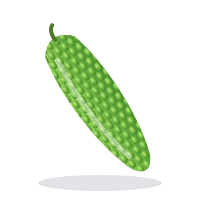 | Bitter Gourd | 여주 | yeoju | |
 | Green Beans | 껍질콩 | kkeopjilkong | |
 | Coriander | 고수 | gosu | |
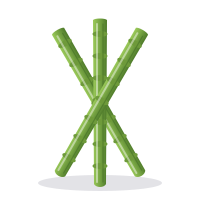 | Drumstick | 드럼스틱 | deureomseutik | |
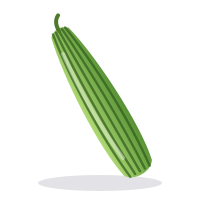 | Ridge Gourd | 수세미오이 | susemioi | |
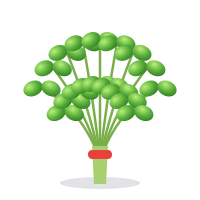 | Fenugreek Leaves | 호로파 잎 | horopa ip | |
 | Raw Banana | 풋바나나 | putbanana |
Vegetables name in Korean fits naturally into family life, because Korean meals are full of vegetables: in soups, side dishes (반찬, banchan) and, of course, kimchi. This page has 30 vegetables with pictures, romanization and clear audio, from 감자 (gamja, potato) and 당근 (danggeun, carrot) to 고추 (gochu, chilli) and 마늘 (maneul, garlic). Tap a picture to hear it in Korean and English, then try Find it or Memory with Golu.
First vegetables in Korean for toddlers
The Korean word for vegetable is 채소 (chaeso), and you will also hear 야채 (yachae). Begin with six vegetables your child sees every week: 감자 (potato), 당근 (carrot), 양파 (yangpa, onion), 오이 (oi, cucumber), 옥수수 (oksusu, corn) and 토마토 (tomato). Hold up the real vegetable, say its name, and let your child touch and smell it.
A fun fact for older children: 오이, cucumber, is also the example word for the vowel ㅗ on the Korean alphabet chart. Two letters, two sounds, one crunchy vegetable.
Kimchi vegetables and kimjang
Kimchi, Korea's famous fermented side dish, is made with vegetables your child can learn here. Cubed radish kimchi, 깍두기, uses 무 (mu, white radish). Most kimchi is flavoured with 고추 (red chilli), 마늘 (garlic) and 생강 (saenggang, ginger). Cucumber kimchi, 오이소박이, is a summer favourite.
Every late autumn, Korean families and neighbours gather for 김장 (kimjang), making enough kimchi to last the winter. Kimjang is recognised by UNESCO as part of the world's intangible cultural heritage. Children help by washing vegetables, counting radishes and, carefully, tasting. Even far from Korea, a small family kimjang is a warm way to share vegetable words.
Vegetables in Korean stories and sayings
- Garlic and the bear. In Korea's founding myth, a bear ate only mugwort and 마늘 (garlic) for 100 days in a cave and became a woman. Children remember 마늘 after hearing this story.
- Pumpkin luck. The saying "호박이 넝쿨째 굴러 들어왔다" (a pumpkin rolled in with its vine) means unexpected good luck. 호박 is pumpkin.
- Carrot, of course! Korean children joke "당근이지!" to mean "of course!", because 당근 sounds like 당연 (naturally).
- Winter sweet potatoes. Roasted 고구마 (goguma, sweet potato) and 군밤 (roasted chestnuts) are sold hot on the street in cold weather.
More vegetables and quick answers
Potato in Korean is 감자; carrot in Korean is 당근; onion in Korean is 양파; cucumber in Korean is 오이; corn in Korean is 옥수수; pumpkin in Korean is 호박; spinach in Korean is 시금치 (sigeumchi); mushroom in Korean is 버섯 (beoseot); cabbage in Korean is 양배추 (yangbaechu, "Western cabbage"). The 양 at the start of 양파 and 양배추 means "Western", because these came to Korea from abroad. Brinjal is 가지 (gaji) and radish is 무, one of the shortest words in the game. The page also includes vegetables common in Indian kitchens, such as okra, bitter gourd (여주) and drumstick.
Vegetables at the Korean table
A Korean family meal usually has rice, soup and several small side dishes, and many of them are vegetables. 시금치나물 is lightly seasoned spinach, 감자조림 is sweet braised potato, and 된장찌개, soybean paste stew, is full of 호박 (courgette or pumpkin), 양파 and 버섯. At dinner, play "find the vegetable": your child points to a dish and names one vegetable in it. Even picky eaters enjoy being the detective.
How to teach vegetables in Korean at home
- Kitchen helper (age 3+). Let your child wash potatoes or peel corn while you name them.
- Banchan count (age 4+). Count the side dishes at dinner and name the vegetable in each.
- Colour sort (age 4+). 빨간 고추, 초록 오이, 주황 당근: combine with colours in Korean.
- Grow one (age 5+). Grow bean sprouts (콩나물) in a cup in a few days, a classic Korean home project.
Picky eater? Many children refuse spinach or peppers at first. Naming a vegetable in Korean, touching it and seeing it in the game again and again helps more than any pressure. Praise small steps.
For heritage and diaspora families
For Korean families abroad, a trip to a Korean grocery store is a ready-made vocabulary lesson: find 무, 고추 and 마늘 together. The word list above prints from your browser as a Korean vegetables chart with romanization; there is no separate PDF. When vegetables are going well, try fruits in Korean or compare with vegetables in Japanese.
채소와 친해지기
채소 이름은 부엌에서 함께 배우는 것이 가장 좋아요. 감자를 씻고, 옥수수 껍질을 벗기면서 "이건 뭐야?" "당근!" 하고 이야기해 보세요. 손으로 만지고, 냄새를 맡고, 이름을 말하면 오래 기억해요.
김장철에는 무와 고추, 마늘을 함께 세어 보고, 겨울에는 군고구마를 먹으며 "고구마"라고 말해 보세요. 채소를 싫어하는 아이도 괜찮아요. 억지로 먹이지 말고, 이름을 말하거나 만져 보기만 해도 "잘했어!" 하고 칭찬해 주세요.
How to use this page at home
Say it, then find it
Play for a few minutes, then look for the same thing away from the screen: korean words on the shelf, in the kitchen, on the way to school. A child learns a word properly when they meet it twice, once on the screen and once in their hand.
Ten minutes is enough
Short and happy beats long and tired. Stop while your child still wants more, and come back tomorrow: the same page on five short days teaches far more than one long sitting. Nothing here is scored, so there is no reason to push.
Use both languages
Tap the language button at the top to hear the words in your home language first and the second language after. Hearing the same picture named in two languages is one of the few things research agrees builds attention as well as vocabulary.