Body parts in Korean: word list with pictures
30 words · tap 🔊 to hear each one in Korean.
| Picture | English | Korean | Say it | Listen |
|---|---|---|---|---|
 | Head | 머리 | meori | |
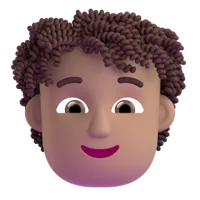 | Hair | 머리카락 | meorikarak | |
 | Face | 얼굴 | eolgul | |
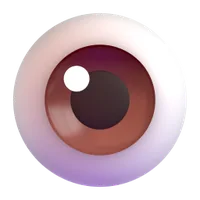 | Eye | 눈 | nun | |
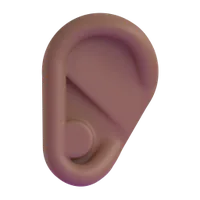 | Ear | 귀 | gwi | |
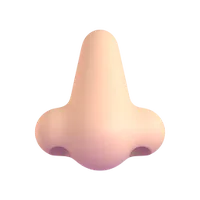 | Nose | 코 | ko | |
 | Mouth | 입 | ip | |
 | Lips | 입술 | ipsul | |
 | Tongue | 혀 | hyeo | |
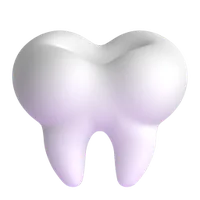 | Teeth | 이 | i | |
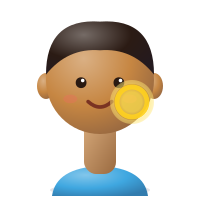 | Cheek | 볼 | bol | |
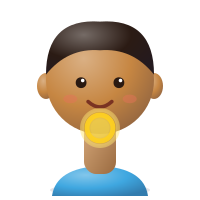 | Chin | 턱 | teok | |
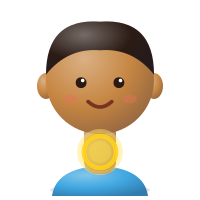 | Neck | 목 | mok | |
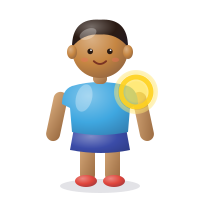 | Shoulder | 어깨 | eokkae | |
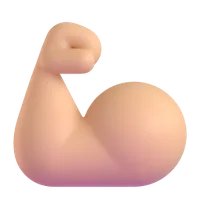 | Arm | 팔 | pal | |
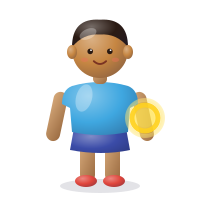 | Elbow | 팔꿈치 | palkkumchi | |
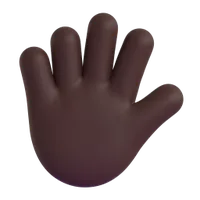 | Hand | 손 | son | |
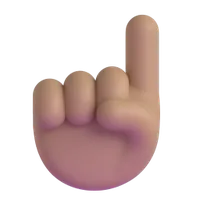 | Finger | 손가락 | songarak | |
 | Thumb | 엄지손가락 | eomjisongarak | |
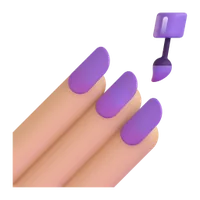 | Nail | 손톱 | sontop | |
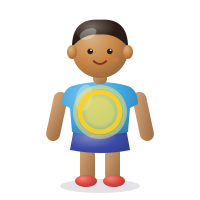 | Tummy | 배 | bae | |
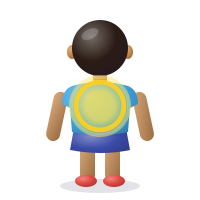 | Back | 등 | deung | |
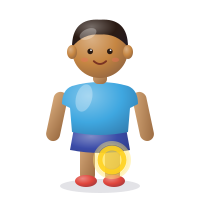 | Knee | 무릎 | mureup | |
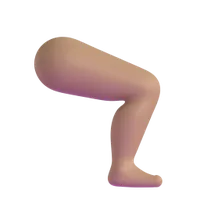 | Leg | 다리 | dari | |
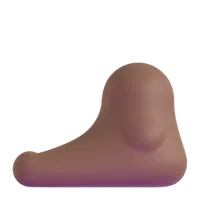 | Foot | 발 | bal | |
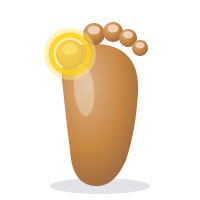 | Toe | 발가락 | balgarak | |
 | Brain | 뇌 | noe | |
 | Heart | 심장 | simjang | |
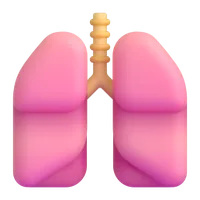 | Lungs | 폐 | pye | |
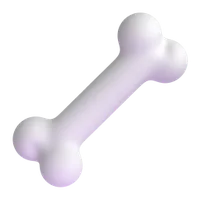 | Bones | 뼈 | ppyeo |
Body parts in Korean are some of the most useful words a young child can learn, because they come up every day: getting dressed, washing, eating and telling a grown-up when something hurts. This page has 30 body parts with pictures, romanization and clear audio, from 머리 (meori, head) and 눈 (nun, eye) to 무릎 (mureup, knee) and 발가락 (balgarak, toes), plus 심장 (simjang, heart) and 뼈 (ppyeo, bones). Tap a picture to hear the word in Korean and English, then play Find it and point to the same part on yourselves.
Face words in Korean
Start with the face. Korean face words are short and easy: 얼굴 (eolgul, face), 눈 (eye), 코 (ko, nose), 입 (ip, mouth), 귀 (gwi, ear), 이 (i, teeth), 혀 (hyeo, tongue), 입술 (ipsul, lips), 볼 (bol, cheek), 턱 (teok, chin) and 머리카락 (meorikarak, hair). Four of them, 눈, 코, 입, 귀, are just one syllable each, perfect for a toddler.
Play the classic Korean game "코코코": tap your nose saying "코, 코, 코" and then quickly point to another part, "눈!". Your child must point to the part you say, not the one you touch. It is harder than it sounds and very funny.
Head, shoulders, knees and toes in Korean
Korean children sing their own version of the action song: 머리, 어깨, 무릎, 발 (meori, eokkae, mureup, bal): head, shoulders, knees, feet. The second part adds 눈, 코, 입, 귀. Sing it slowly first, touching each part, then faster and faster. Every word in the song is in this game, so your child can tap each one afterwards and hear it clearly.
Arms, legs, hands and feet
Going down the body: 목 (mok, neck), 어깨 (shoulder), 팔 (pal, arm), 팔꿈치 (palkkumchi, elbow), 손 (son, hand), 손가락 (songarak, finger), 엄지손가락 (eomjisongarak, thumb), 손톱 (sontop, nail), 배 (bae, tummy), 등 (deung, back), 다리 (dari, leg), 발 (bal, foot) and 발가락 (toe). Look at the pattern: finger is "hand-stick" (손가락) and toe is "foot-stick" (발가락). Five-year-olds enjoy spotting these building blocks, and 배 doubles as the word for pear in fruits in Korean.
Teeth three ways: 이, 이빨 and 치아
Korean has levels of politeness, and a few body words change with them. Teeth can be 이 (the plain word used in the game), 이빨 (casual, often used with children, and the example word for ㅣ on the Korean alphabet chart) or 치아 (polite, used at the dentist). Children do not need the rules; they simply hear different words in different places, which is how Korean children learn them too.
Inside the body
Curious older children can learn 뇌 (noe, brain), 심장 (heart), 폐 (pye, lungs) and 뼈 (bones). After a run, put your child's hand on their chest: "심장이 쿵쿵 뛰어!" (your heart is going thump thump). Korean sound words like 쿵쿵 make body lessons lively.
Body words in daily routines
| Moment | Say it in Korean | Meaning |
|---|---|---|
| Before eating | 손 씻자 | let's wash hands |
| After meals | 이 닦자 | let's brush teeth |
| Bath time | 머리 감자 | let's wash your hair |
| A bump or fall | 어디 아파? | where does it hurt? |
| Tummy ache | 엄마 손은 약손 | mum's hand is a healing hand |
"엄마 손은 약손" is a gentle Korean chant: a parent or grandparent rubs a child's sore tummy in circles while singing it. It is a lovely tradition to keep. Hand washing and tooth brushing link naturally to good habits for kids.
Head, hand, eyes: quick answers
Head in Korean is 머리, which also means hair; the individual hairs are 머리카락. Eyes in Korean are 눈, which also means snow. Nose in Korean is 코, mouth in Korean is 입 and ear in Korean is 귀. Hand in Korean is 손 and foot in Korean is 발. Tummy is 배.
Teaching tips by age, and body safety
- Age 2-3: 눈, 코, 입, 귀 and pointing games in the mirror.
- Age 3-4: the meori eokkae mureup bal song and Find it.
- Age 4-5: the 코코코 game and rock-paper-scissors (가위바위보) with hands.
- Age 5-6: inside-the-body words and first letters on the alphabet chart.
Knowing body words also supports body safety: a child who can say 배 아파 (my tummy hurts) can tell a trusted grown-up what is wrong. For children with speech delay, pointing is a full answer; bilingual kids often mix Korean and English words in the song, which is perfectly normal.
For heritage and bilingual families
Bath time and bedtime are easy places to keep Korean body words alive, and grandparents on video calls can lead the 코코코 game. The word list above prints from your browser as a body parts chart with romanization; there is no separate PDF. Compare with body parts in Japanese or the English body parts name page.
우리 몸, 이렇게 배워요
몸의 이름은 언제 어디서나 연습할 수 있어요. 목욕할 때 "머리 감자, 이제 발 씻자" 하고 말하면서 씻겨 주면 아이가 자연스럽게 따라 말해요. "머리 어깨 무릎 발" 노래를 함께 부르며 몸을 짚어 보세요.
아이가 넘어져서 울 때는 "어디 아파?" 하고 물어보고, 배가 아플 때는 "엄마 손은 약손" 하며 배를 살살 문질러 주세요. 몸의 이름을 알면 아이가 자기 몸과 마음을 어른에게 더 잘 전할 수 있어요.
How to use this page at home
Say it, then find it
Play for a few minutes, then look for the same thing away from the screen: korean words on the shelf, in the kitchen, on the way to school. A child learns a word properly when they meet it twice, once on the screen and once in their hand.
Ten minutes is enough
Short and happy beats long and tired. Stop while your child still wants more, and come back tomorrow: the same page on five short days teaches far more than one long sitting. Nothing here is scored, so there is no reason to push.
Use both languages
Tap the language button at the top to hear the words in your home language first and the second language after. Hearing the same picture named in two languages is one of the few things research agrees builds attention as well as vocabulary.