Korean alphabet chart with pictures
24 letters · tap 🔊 to hear each one.
| Picture | Letter | Word | Meaning | Listen |
|---|---|---|---|---|
 | ㄱ | 기차 | train | |
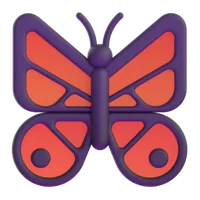 | ㄴ | 나비 | butterfly | |
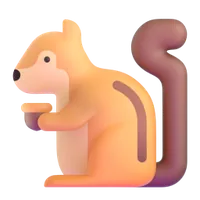 | ㄷ | 다람쥐 | squirrel | |
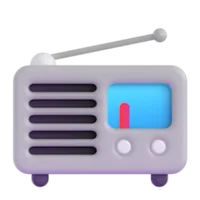 | ㄹ | 라디오 | radio | |
 | ㅁ | 모자 | hat | |
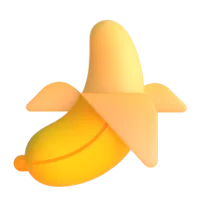 | ㅂ | 바나나 | banana | |
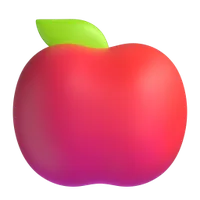 | ㅅ | 사과 | apple | |
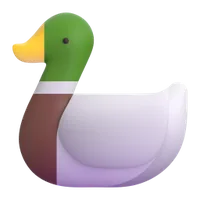 | ㅇ | 오리 | duck | |
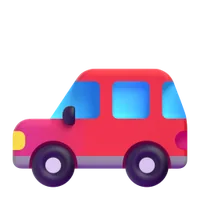 | ㅈ | 자동차 | car | |
 | ㅊ | 치즈 | cheese | |
 | ㅋ | 코끼리 | elephant | |
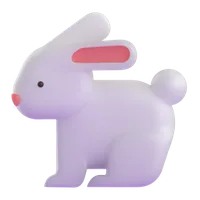 | ㅌ | 토끼 | rabbit | |
 | ㅍ | 포도 | grapes | |
 | ㅎ | 하마 | hippo | |
 | ㅏ | 아기 | baby | |
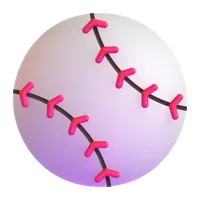 | ㅑ | 야구 | baseball | |
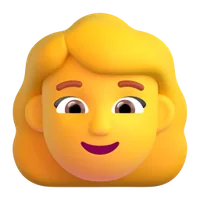 | ㅓ | 엄마 | mother | |
 | ㅕ | 여우 | fox | |
 | ㅗ | 오이 | cucumber | |
| ㅛ | 요구르트 | yogurt | ||
 | ㅜ | 우유 | milk | |
 | ㅠ | 유령 | ghost | |
 | ㅡ | 음악 | music | |
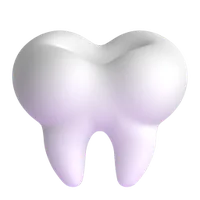 | ㅣ | 이빨 | tooth |
The Korean alphabet for kids is called Hangul (한글), and it is one of the easiest writing systems in the world for a young child to learn. This page has the 24 basic letters: 14 consonants (자음, jaeum) and 10 vowels (모음, moeum). Tap a letter to hear it with a picture word, from ㄱ for 기차 (gicha, train) to ㅣ for 이빨 (ippal, tooth). When a few letters feel familiar, play Find it or Memory.
How many letters are in the Korean alphabet?
Hangul has 24 basic letters: 14 consonants and 10 vowels. Five of the consonants can be doubled to make tense sounds (ㄲ ㄸ ㅃ ㅆ ㅉ), and vowels combine into 11 compound vowels such as ㅐ (ae) and ㅘ (wa), giving 40 letters in everyday use. For children aged three to six, the 24 basic letters on this page are the right place to start; the rest follow naturally once these are secure.
The 14 Korean consonants (자음)
Korean children chant the consonants in order: ㄱ ㄴ ㄷ ㄹ ㅁ ㅂ ㅅ ㅇ ㅈ ㅊ ㅋ ㅌ ㅍ ㅎ, often by their syllable sounds 가 나 다 라 마 바 사 아 자 차 카 타 파 하. That chant is how most Korean alphabet songs for kids go.
| Letter | Sound | Picture word | Meaning |
|---|---|---|---|
| ㄱ | g/k | 기차 | train |
| ㄴ | n | 나비 | butterfly |
| ㄷ | d/t | 다람쥐 | squirrel |
| ㄹ | r/l | 라디오 | radio |
| ㅁ | m | 모자 | hat |
| ㅂ | b/p | 바나나 | banana |
| ㅅ | s | 사과 | apple |
| ㅇ | ng (silent at start) | 오리 | duck |
| ㅈ | j | 자동차 | car |
| ㅊ | ch | 치즈 | cheese |
| ㅋ | k | 코끼리 | elephant |
| ㅌ | t | 토끼 | rabbit |
| ㅍ | p | 포도 | grapes |
| ㅎ | h | 하마 | hippo |
Two letters surprise English speakers. ㄹ sounds between r and l, and ㅇ is silent at the start of a syllable (so 오리, duck, starts with the vowel sound "o") but says "ng" at the end, as in 강 (gang, river).
The 10 Korean vowels (모음)
The basic vowels are ㅏ ㅑ ㅓ ㅕ ㅗ ㅛ ㅜ ㅠ ㅡ ㅣ, chanted as 아 야 어 여 오 요 우 유 으 이. Look at the pattern: add one extra short stroke and the vowel gains a "y" sound, so ㅏ (a) becomes ㅑ (ya) and ㅗ (o) becomes ㅛ (yo).
| Letter | Sound | Picture word | Meaning |
|---|---|---|---|
| ㅏ | a | 아기 | baby |
| ㅑ | ya | 야구 | baseball |
| ㅓ | eo | 엄마 | mother |
| ㅕ | yeo | 여우 | fox |
| ㅗ | o | 오이 | cucumber |
| ㅛ | yo | 요구르트 | yogurt |
| ㅜ | u | 우유 | milk |
| ㅠ | yu | 유령 | ghost |
| ㅡ | eu | 음악 | music |
| ㅣ | i | 이빨 | tooth |
Why the Hangul shapes make sense
King Sejong the Great created Hangul in 1443, and his scholars designed the consonants to show the mouth making each sound:
- ㄱ (g/k): the back of the tongue lifting to the roof of the mouth.
- ㄴ (n): the tip of the tongue touching behind the top teeth.
- ㅁ (m): the shape of closed lips.
- ㅅ (s): a tooth.
- ㅇ: the open throat.
Stronger, breathier sounds add a stroke: ㄱ → ㅋ, ㄷ → ㅌ, ㅂ → ㅍ, ㅈ → ㅊ. The vowels are built from three symbols for heaven (a dot, now a short stroke), earth (ㅡ) and person (ㅣ). Show your child the mirror trick: say "n" and look at the tongue, then look at ㄴ. Five-year-olds are amazed that the letter is a picture of their own mouth.
How letters build syllable blocks
Korean is not written in a line of separate letters. Letters stack into square blocks, one block per syllable. A consonant and a vowel make a block: ㄱ + ㅏ = 가 (ga), ㄴ + ㅏ = 나 (na), ㅁ + ㅗ = 모 (mo). Vowels with a tall line go to the right (가); flat vowels go underneath (고). A final consonant, called 받침 (batchim), sits at the bottom: ㄱ + ㅏ + ㅇ = 강. Try building your child's name, or 엄마 (mum) and 아빠 (dad), with letter cards.
An easy way to learn the Korean alphabet at home: one consonant a day with the vowel ㅏ, so the first week is 가, 나, 다, 라, 마, 바, 사. Point to each block in a picture book or on a food packet.
A Korean alphabet plan by age
| Age | Goal | Activity |
|---|---|---|
| 3-4 | Hear and point to letters | Tap letters here; sing the 가나다라 chant |
| 4-5 | Know most consonants and vowels | Find it and Memory; spot letters on signs |
| 5-6 | Read simple syllables and words | Build 가, 고, 구; read 우유 (milk), 오이 (cucumber) |
Most Korean children learn to read Hangul between four and six, often at home with letter charts and picture books before school. There is no rush: children who enjoy the sounds first learn the letters faster later.
Hangul Day and Korean culture
South Korea celebrates 한글날, Hangul Day, every 9 October, and many families mark it by writing names in Hangul or reading a story about King Sejong, whose statue stands in the heart of Seoul. It is a lovely day to print the chart and write each family member's name.
For heritage and diaspora families
If your child attends a Korean weekend school (한글학교), the consonant and vowel chart is usually the first term's work, so playing here in the week makes Saturday easier. There is no Korean alphabet PDF to download, but you can print this page from your browser: the consonant and vowel tables above make a clean Korean alphabet chart for kids. Curious children can compare Hangul with the Japanese hiragana chart or the first Chinese characters, or go back to the English ABCD.
한글, 이렇게 시작해요
한글은 소리 나는 모양을 본떠 만든 글자라서 아이들이 배우기 쉬워요. "ㄴ" 소리를 낼 때 혀끝이 윗니 뒤에 닿는 모양, "ㅁ" 소리를 낼 때 입을 다문 모양을 거울로 함께 보면 아이들이 무척 신기해해요.
하루에 자음 하나씩, "가, 나, 다, 라"처럼 모음 "ㅏ"와 함께 읽어 보세요. 아이 이름이나 "엄마", "아빠"를 글자 카드로 만들어 보는 것도 좋아요. 틀려도 괜찮아요. 즐겁게 소리 내어 읽는 것이 가장 중요합니다.
How to use this page at home
Say it, then find it
Play for a few minutes, then look for the same thing away from the screen: korean words on the shelf, in the kitchen, on the way to school. A child learns a word properly when they meet it twice, once on the screen and once in their hand.
Ten minutes is enough
Short and happy beats long and tired. Stop while your child still wants more, and come back tomorrow: the same page on five short days teaches far more than one long sitting. Nothing here is scored, so there is no reason to push.
Use both languages
Tap the language button at the top to hear the words in your home language first and the second language after. Hearing the same picture named in two languages is one of the few things research agrees builds attention as well as vocabulary.