Fruits in Tamil: word list with pictures
30 words · tap 🔊 to hear each one in Tamil.
| Picture | English | Tamil | Say it | Listen |
|---|---|---|---|---|
 | Mango | மாம்பழம் | māmpaḻam | |
 | Banana | வாழைப்பழம் | vāḻaippaḻam | |
 | Apple | ஆப்பிள் | āppiḷ | |
 | Orange | ஆரஞ்சுப் பழம் | ārañcup paḻam | |
 | Grapes | திராட்சை | tirāṭcai | |
 | Watermelon | தர்பூசணி | tarpūcaṇi | |
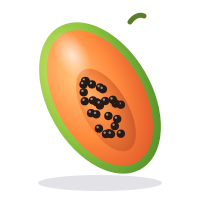 | Papaya | பப்பாளி | pappāḷi | |
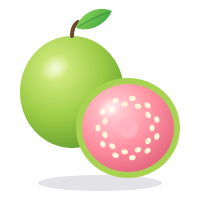 | Guava | கொய்யா | koyyā | |
 | Pineapple | அன்னாசி | aṉṉāci | |
 | Strawberry | ஸ்ட்ராபெர்ரி | sṭrāperri | |
 | Cherry | செர்ரி | cerri | |
 | Lemon | எலுமிச்சை | elumiccai | |
 | Coconut | தேங்காய் | tēṅkāy | |
 | Pear | பேரிக்காய் | pērikkāy | |
 | Pomegranate | மாதுளை | mātuḷai | |
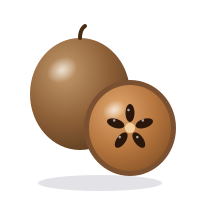 | Sapodilla | சப்போட்டா | cappōṭṭā | |
 | Peach | பீச் | pīc | |
 | Muskmelon | முலாம்பழம் | mulāmpaḻam | |
 | Kiwi | கிவி | kivi | |
 | Green Apple | பச்சை ஆப்பிள் | paccai āppiḷ | |
 | Blueberry | புளூபெர்ரி | puḷūperri | |
 | Lime | எலுமிச்சம்பழம் | elumiccampaḻam | |
 | Jackfruit | பலாப்பழம் | palāppaḻam | |
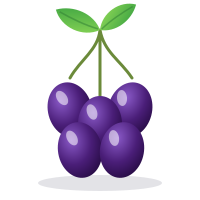 | Java Plum | நாவல் பழம் | nāval paḻam | |
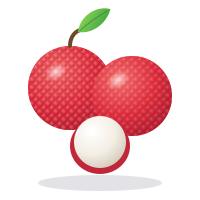 | Lychee | லிச்சி | licci | |
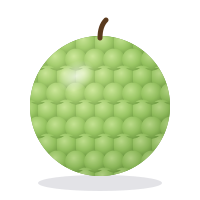 | Custard Apple | சீதாப்பழம் | cītāppaḻam | |
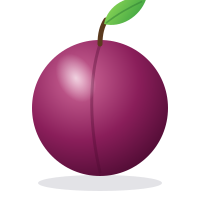 | Plum | பிளம்ஸ் | piḷams | |
 | Indian Gooseberry | நெல்லிக்காய் | nellikkāy | |
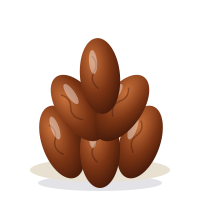 | Dates | பேரீச்சம்பழம் | pērīccampaḻam | |
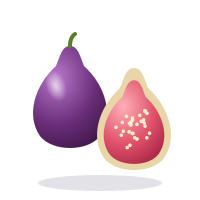 | Fig | அத்திப்பழம் | attippaḻam |
Learning fruits name in Tamil is a treat, because every word comes with something to taste. This page has 30 fruits with pictures and clear audio, from மாம்பழம் (maambazham, mango) and வாழைப்பழம் (vaazhaippazham, banana) to நெல்லிக்காய் (nellikkaai, Indian gooseberry). Tap a fruit to hear it in Tamil and English, then play Find it or Memory.
A Tamil pattern kids can spot: pazham and kaai
Many Tamil fruit names end in பழம் (pazham), which means "ripe fruit". Unripe fruits and many vegetables end in காய் (kaai). Show your child the pair on this site: வாழைப்பழம் is the ripe yellow banana, and வாழைக்காய் (vaazhaikkaai) is the green cooking banana on the vegetables in Tamil page. The same goes for mango: மாம்பழம் is ripe, மாங்காய் (maangaai) is the sour green one used in pickle. Once a child hears this, many new words make sense.
| Ends in pazham (ripe fruit) | Ends in kaai | Other endings |
|---|---|---|
| மாம்பழம் mango வாழைப்பழம் banana பலாப்பழம் jackfruit சீதாப்பழம் custard apple அத்திப்பழம் fig பேரீச்சம்பழம் dates | தேங்காய் coconut நெல்லிக்காய் gooseberry பேரிக்காய் pear | கொய்யா guava பப்பாளி papaya மாதுளை pomegranate திராட்சை grapes அன்னாசி pineapple |
Mukkani: the three royal fruits of Tamil culture
Tamil tradition speaks of முக்கனி (mukkani), "the three fruits": மா (mango), பலா (jackfruit) and வாழை (banana). You will see them together at weddings, on the Tamil New Year plate in the month of Chithirai, and in old poems. Salem is famous for its mangoes and Panruti for its jackfruit. Telling your child "these three are special" gives the words a story, and stories are remembered.
Another fruit with a story is நெல்லிக்காய். In a well-known legend, the king Athiyaman gave a rare gooseberry to the poet Avvaiyar so she could live long and keep writing. Children who meet Avvaiyar on the Tamil alphabet page love hearing this.
Fruits of Tamil Nadu by season
- Summer (April to June): மாம்பழம், பலாப்பழம், தர்பூசணி (tharboosani, watermelon), நாவல் பழம் (naaval pazham, jamun), முலாம்பழம் (mulaambazham, muskmelon).
- All year: வாழைப்பழம், பப்பாளி (pappaali), தேங்காய் (thengaai, coconut), கொய்யா (koyyaa, guava), எலுமிச்சை (elumichai, lemon).
- Cool months: ஆரஞ்சுப் பழம் (orange), சீதாப்பழம் (seethaappazham, custard apple), மாதுளை (maathulai, pomegranate).
- Hill fruits: Kodaikanal and Ooty grow பிளம்ஸ் (plums), பேரிக்காய் (pear) and பீச் (peach).
Fruits from far away, like kiwi, blueberry, cherry and strawberry, keep names close to English in Tamil: கிவி, புளூபெர்ரி, செர்ரி, ஸ்ட்ராபெர்ரி. For a child abroad, these may be the everyday fruits, so it is fine to start there.
How to teach fruit names in Tamil at home
- Name at snack time. "Do you want ஆப்பிள் or வாழைப்பழம்?" A choice makes your child say the word.
- Market walk. At the shop or fruit stall, ask your child to find the மாதுளை or the திராட்சை.
- Sort by colour. Red fruits, green fruits, yellow fruits. Then learn the colour words on the colours in Tamil page.
- Taste words. இனிப்பு (inippu, sweet) and புளிப்பு (pulippu, sour). Lemon is புளிப்பு!
- Keep it short. One game on this page, then eat the fruit together.
| Class | Typical list |
|---|---|
| Toddlers (2-3) | 5 fruits: mango, banana, apple, grapes, orange |
| Nursery / LKG | 10 fruits name in Tamil, with colour |
| UKG / class 1 | 20 to 30 fruits, reading the Tamil word |
Need a fruits chart in Tamil for a school project? Print this page from your browser. The word list with pictures prints cleanly with Tamil and English side by side.
Fruit games to try next
After this page, the fruits name in English and Hindi game uses the same 30 fruits, handy for children who learn Hindi at school. Memory games and odd one out make good follow-ups: put three fruits and one vegetable together and ask which one does not belong, in Tamil. The animals in Tamil page pairs well too: who eats the வாழைப்பழம்? The குரங்கு!
A note for picky eaters
Children often eat a food after meeting it many times. Playing with fruit words, touching and smelling the real fruit, and letting your child say its Tamil name are all gentle ways to meet a fruit without pressure. Never force a taste; praise curiosity instead.
பெற்றோருக்கு
பழங்களின் பெயர்களைக் கற்றுக்கொடுப்பது எளிது. சாப்பிடும்போதே சொல்லலாம். "உனக்கு ஆப்பிள் வேண்டுமா, வாழைப்பழம் வேண்டுமா?" என்று கேளுங்கள். குழந்தை பதில் சொல்லும்போது தமிழ்ச் சொல் பழகும்.
மா, பலா, வாழை என்ற முக்கனியின் கதையைச் சொல்லுங்கள். பழம் என்றால் பழுத்தது, காய் என்றால் பழுக்காதது என்று காட்டுங்கள்: மாம்பழம், மாங்காய்.
இந்தப் பக்கத்தில் முப்பது பழங்கள் உள்ளன. படத்தைத் தொட்டால் பெயர் கேட்கும். இது இலவசம்.
How to use this page at home
Say it, then find it
Play for a few minutes, then look for the same thing away from the screen: tamil words on the shelf, in the kitchen, on the way to school. A child learns a word properly when they meet it twice, once on the screen and once in their hand.
Ten minutes is enough
Short and happy beats long and tired. Stop while your child still wants more, and come back tomorrow: the same page on five short days teaches far more than one long sitting. Nothing here is scored, so there is no reason to push.
Use both languages
Tap the language button at the top to hear the words in your home language first and the second language after. Hearing the same picture named in two languages is one of the few things research agrees builds attention as well as vocabulary.