Body parts in Chinese: word list with pictures
30 words · tap 🔊 to hear each one in Chinese.
| Picture | English | Chinese | Say it | Listen |
|---|---|---|---|---|
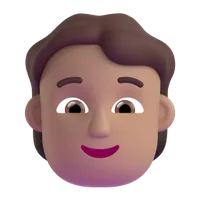 | Head | 头 | tóu | |
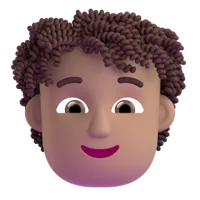 | Hair | 头发 | tóufa | |
 | Face | 脸 | liǎn | |
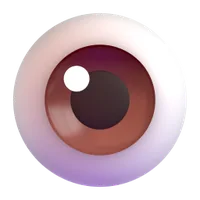 | Eye | 眼睛 | yǎnjing | |
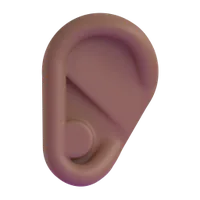 | Ear | 耳朵 | ěrduo | |
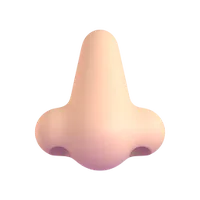 | Nose | 鼻子 | bízi | |
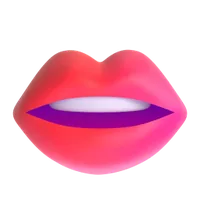 | Mouth | 嘴巴 | zuǐba | |
 | Lips | 嘴唇 | zuǐchún | |
 | Tongue | 舌头 | shétou | |
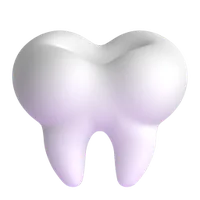 | Teeth | 牙齿 | yáchǐ | |
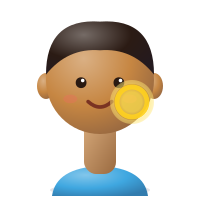 | Cheek | 脸蛋 | liǎndàn | |
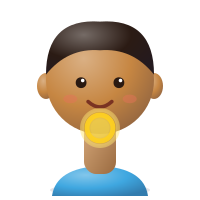 | Chin | 下巴 | xiàba | |
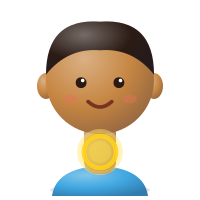 | Neck | 脖子 | bózi | |
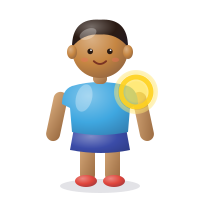 | Shoulder | 肩膀 | jiānbǎng | |
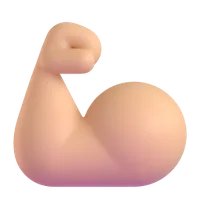 | Arm | 胳膊 | gēbo | |
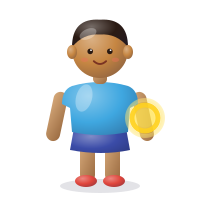 | Elbow | 胳膊肘 | gēbozhǒu | |
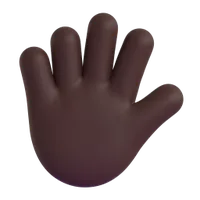 | Hand | 手 | shǒu | |
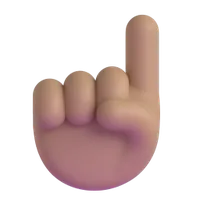 | Finger | 手指 | shǒuzhǐ | |
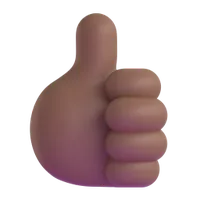 | Thumb | 大拇指 | dàmǔzhǐ | |
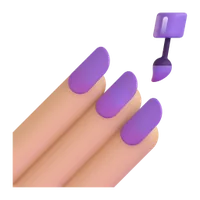 | Nail | 指甲 | zhǐjia | |
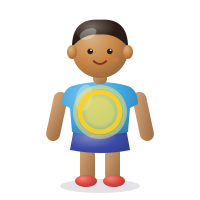 | Tummy | 肚子 | dùzi | |
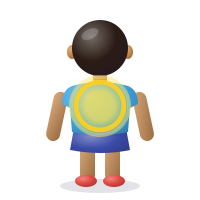 | Back | 后背 | hòubèi | |
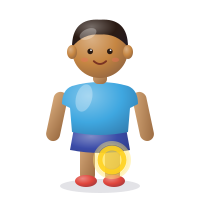 | Knee | 膝盖 | xīgài | |
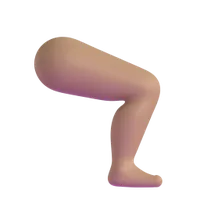 | Leg | 腿 | tuǐ | |
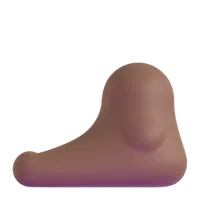 | Foot | 脚 | jiǎo | |
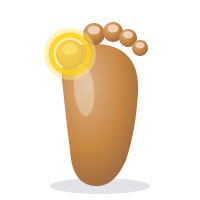 | Toe | 脚趾 | jiǎozhǐ | |
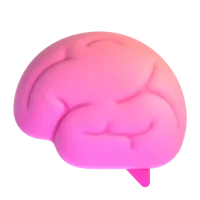 | Brain | 大脑 | dànǎo | |
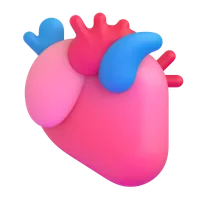 | Heart | 心脏 | xīnzàng | |
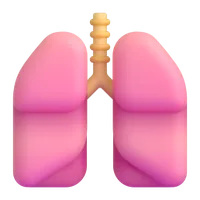 | Lungs | 肺 | fèi | |
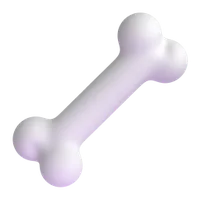 | Bones | 骨头 | gǔtou |
Body parts in Chinese are the easiest words to practise anywhere, because your child always has the "flash cards" with them. This page has 30 body parts with pictures, pinyin and clear Mandarin audio, from 头 (tóu, head) and 眼睛 (yǎnjing, eyes) down to 脚趾 (jiǎozhǐ, toes), plus a few inside the body such as 心脏 (xīnzàng, heart). Tap a picture to hear it, then play Find it and point to the same part on yourselves.
Face words in Chinese
Start with the face, because babies and toddlers already love "Where is your nose?" games. The key words are 脸 (liǎn, face), 眼睛 (eyes), 耳朵 (ěrduo, ears), 鼻子 (bízi, nose), 嘴巴 (zuǐba, mouth), 牙齿 (yáchǐ, teeth), 舌头 (shétou, tongue), 头发 (tóufa, hair), 脸蛋 (liǎndàn, cheek) and 下巴 (xiàba, chin). Many of these have a soft second syllable in the neutral tone, like ěr-duo and bí-zi, which gives them a gentle, child-friendly sound.
Play "摸摸鼻子" (touch your nose): say a body part in Chinese and touch it together. Go faster and faster, then slow down. Toddlers love it.
Head, shoulders, knees and toes in Chinese
The famous action song has a Chinese version that almost every Mandarin-speaking child knows:
头发、肩膀、膝盖、脚,膝盖、脚
tóufa, jiānbǎng, xīgài, jiǎo, xīgài, jiǎo
(hair, shoulders, knees, feet)
The next line adds 眼睛、耳朵、鼻子和嘴巴, the eyes, ears, nose and mouth. Sing it slowly first, touching each part, then speed up. All of these words are in the game, so your child can tap them afterwards and hear each one clearly.
Arms, legs and hands
Move down the body: 脖子 (bózi, neck), 肩膀 (jiānbǎng, shoulder), 胳膊 (gēbo, arm), 胳膊肘 (gēbozhǒu, elbow), 手 (shǒu, hand), 手指 (shǒuzhǐ, finger), 大拇指 (dàmǔzhǐ, thumb, "big mother finger"), 指甲 (zhǐjia, nail), 肚子 (dùzi, tummy), 后背 (hòubèi, back), 膝盖 (xīgài, knee), 腿 (tuǐ, leg), 脚 (jiǎo, foot) and 脚趾 (toe). Notice the pattern: finger is "hand-finger" (手指) and toe is "foot-finger" (脚趾). Five- and six-year-olds enjoy finding these building blocks.
Body parts in Chinese characters
Several of the first Chinese characters are body parts, and some still look like them. 口 (kǒu, mouth) is an open mouth, 目 (mù, eye) was once a drawing of an eye turned on its side, 手 (shǒu) shows a hand with fingers, and 耳 (ěr) is an ear. The picture words 小手, 牙齿 and 耳朵 appear in the first Chinese characters game too, so the two pages support each other.
Inside the body: heart, brain, lungs and bones
Older preschoolers are curious about what is inside. The game includes 大脑 (dànǎo, brain), 心脏 (heart), 肺 (fèi, lungs) and 骨头 (gǔtou, bones). Put your child's hand on their chest after running and feel the 心脏 beating fast; take a big breath and feel the 肺 fill with air. In everyday Chinese, 心 (heart) also means feelings, as in 开心 (kāixīn, happy, "open heart").
Body words in daily routines
| Routine | Say it in Chinese | Meaning |
|---|---|---|
| Washing hands | 洗洗手 xǐxǐ shǒu | wash your hands |
| Brushing teeth | 刷牙 shuā yá | brush teeth |
| Bath time | 洗头发 xǐ tóufa | wash hair |
| Getting dressed | 伸出胳膊 shēnchū gēbo | put your arm out |
| A bump or fall | 哪里疼? nǎlǐ téng? | where does it hurt? |
Hand washing and tooth brushing link naturally to good habits for kids. "哪里疼?" is especially useful: a child who can point and say 膝盖 or 肚子 can tell a grandparent what is wrong.
Teaching tips and body safety
- Age 2-3: five face words and "摸摸" (touch) games.
- Age 3-4: the song, plus hands, feet, tummy and knees.
- Age 4-5: Find it in the game, then Simon Says in Chinese.
- Age 5-6: inside-the-body words and the characters 口 手 耳 目.
Learning body words also helps with body safety: children who can name their body parts can tell a trusted adult if something hurts or feels wrong. Keep the tone calm and matter-of-fact. For children with motor or speech difficulties, pointing is a full answer; for bilingual kids, mixing English and Chinese words while singing is perfectly fine.
Quick answers: head, hand, eyes and more in Mandarin
Here are the body parts in Mandarin that parents ask about most. Head in Chinese is 头 (tóu) and hair in Chinese is 头发 (tóufa), literally "head hair". Face in Chinese is 脸 (liǎn). Eyes in Chinese are 眼睛 (yǎnjing), ears in Chinese are 耳朵 (ěrduo) and nose in Chinese is 鼻子 (bízi). Hand in Chinese is 手 (shǒu), foot in Chinese is 脚 (jiǎo), and teeth in Chinese are 牙齿 (yáchǐ), usually shortened to 牙 in "brush your teeth". For the pronunciation, tap each picture a few times and copy the voice; the pinyin in the word list is a reminder for grown-ups, not something your child needs to read.
For heritage and diaspora families
Body parts are a perfect grandparent activity, especially on video calls: grandma says 鼻子, your child touches their nose. The word list above prints from your browser as a body parts chart with pinyin; there is no PDF download. When your child knows the body well, compare with body parts in Korean or the English body parts name page.
和孩子一起认识身体
认识身体可以随时随地玩。早上起床,摸摸头发;吃饭前,洗洗小手;睡觉前,刷刷牙齿。一边做一边说:“这是眼睛,这是耳朵,这是鼻子。”孩子很快就能记住。
也可以一起唱《头发肩膀膝盖脚》,先慢慢唱,再越唱越快,一边唱一边摸。孩子摔倒的时候,可以温柔地问:“哪里疼?”让孩子学会用中文说出身体的部位,告诉大人自己的感受。
How to use this page at home
Say it, then find it
Play for a few minutes, then look for the same thing away from the screen: chinese words on the shelf, in the kitchen, on the way to school. A child learns a word properly when they meet it twice, once on the screen and once in their hand.
Ten minutes is enough
Short and happy beats long and tired. Stop while your child still wants more, and come back tomorrow: the same page on five short days teaches far more than one long sitting. Nothing here is scored, so there is no reason to push.
Use both languages
Tap the language button at the top to hear the words in your home language first and the second language after. Hearing the same picture named in two languages is one of the few things research agrees builds attention as well as vocabulary.