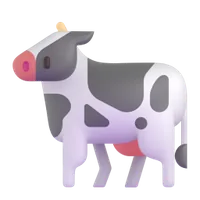
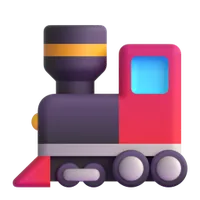
Japanese alphabet chart with pictures
46 letters · tap 🔊 to hear each one.
| Picture | Letter | Word | Meaning | Listen |
|---|---|---|---|---|
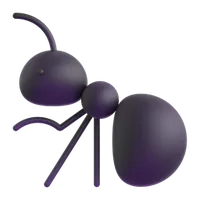 | あ | あり | ant | |
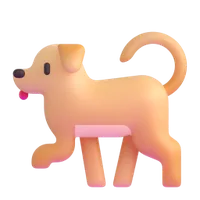 | い | いぬ | dog | |
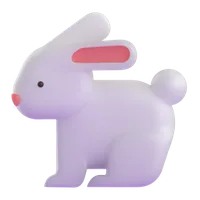 | う | うさぎ | rabbit | |
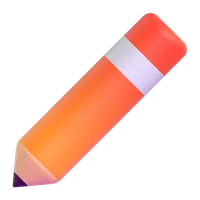 | え | えんぴつ | pencil | |
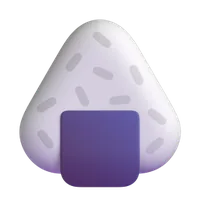 | お | おにぎり | rice ball | |
 | か | かさ | umbrella | |
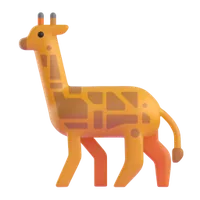 | き | きりん | giraffe | |
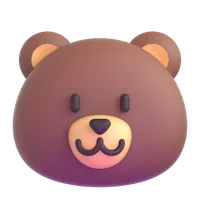 | く | くま | bear | |
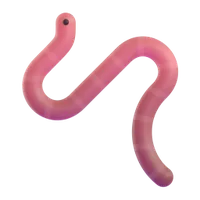 | け | けむし | caterpillar | |
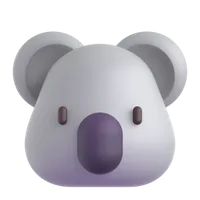 | こ | こあら | koala | |
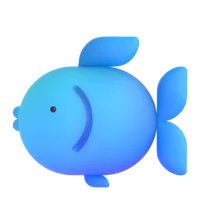 | さ | さかな | fish | |
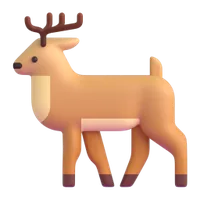 | し | しか | deer | |
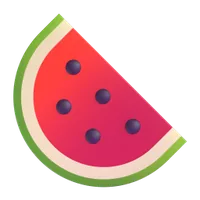 | す | すいか | watermelon | |
| せ | せみ | cicada | ||
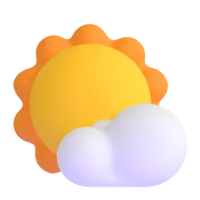 | そ | そら | sky | |
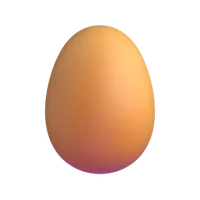 | た | たまご | egg | |
 | ち | ちょうちょ | butterfly | |
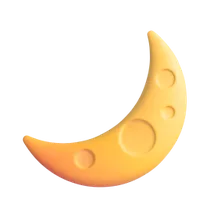 | つ | つき | moon | |
 | て | てがみ | letter | |
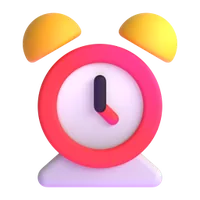 | と | とけい | clock | |
 | な | なす | eggplant | |
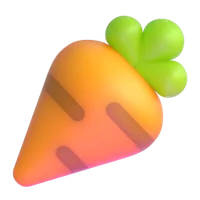 | に | にんじん | carrot | |
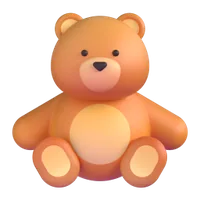 | ぬ | ぬいぐるみ | stuffed toy | |
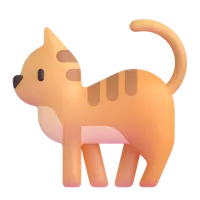 | ね | ねこ | cat | |
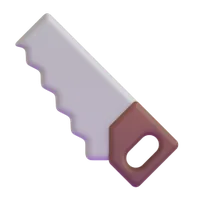 | の | のこぎり | saw | |
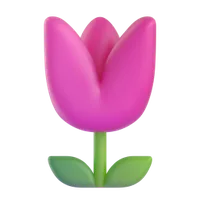 | は | はな | flower | |
 | ひ | ひこうき | aeroplane | |
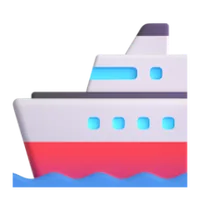 | ふ | ふね | ship | |
 | へ | へび | snake | |
 | ほ | ほし | star | |
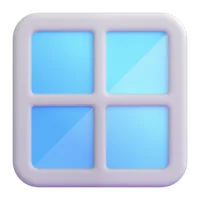 | ま | まど | window | |
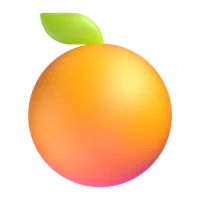 | み | みかん | mandarin orange | |
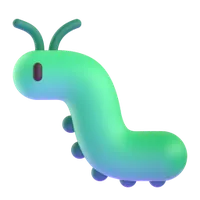 | む | むし | bug | |
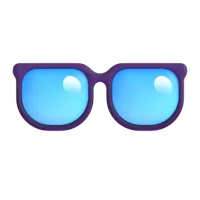 | め | めがね | glasses | |
 | も | もも | peach | |
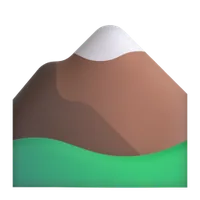 | や | やま | mountain | |
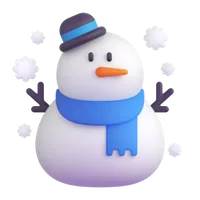 | ゆ | ゆきだるま | snowman | |
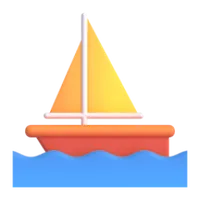 | よ | よっと | sailboat | |
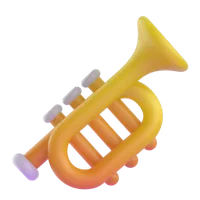 | ら | らっぱ | trumpet | |
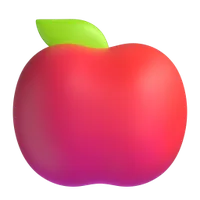 | り | りんご | apple | |
 | る | るすばん | staying home | |
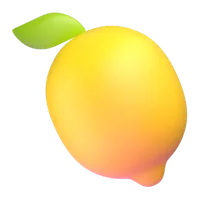 | れ | れもん | lemon | |
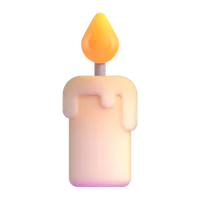 | ろ | ろうそく | candle | |
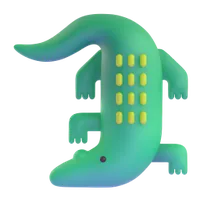 | わ | わに | crocodile | |
 | を | ほんを よむ | read a book | |
| ん | みかん | mandarin orange (ends in ん) |
The Japanese alphabet for kids starts with hiragana (ひらがな), the rounded script every Japanese child learns first. This page has all 46 basic hiragana of the あいうえお chart. Tap a letter to hear it together with a picture word, from あ for あり (ari, ant) to わ for わに (wani, crocodile). When a row feels familiar, play Find it, where Golu says a sound and your child taps the letter, or Memory.
How many letters are in the Japanese alphabet?
Strictly, Japanese has no alphabet in the English sense. Each hiragana is a whole syllable, such as ka or mi, not a single consonant or vowel. There are 46 basic hiragana. With two small marks you get 25 more: two dots called dakuten turn か (ka) into が (ga), and a small circle called handakuten turns は (ha) into ぱ (pa). Katakana has a matching set of 46 for borrowed words, and kanji come later at school. For a preschooler, the 46 basic hiragana are the whole goal.
The gojūon: why the chart goes あいうえお
The hiragana chart is called the gojūon (ごじゅうおん, "fifty sounds"). It is a grid: five vowel columns a, i, u, e, o and one row for each consonant. Once your child knows the vowel order, every row follows the same pattern.
| Row | a | i | u | e | o |
|---|---|---|---|---|---|
| vowels | あ | い | う | え | お |
| k | か | き | く | け | こ |
| s | さ | し (shi) | す | せ | そ |
| t | た | ち (chi) | つ (tsu) | て | と |
| n | な | に | ぬ | ね | の |
| h | は | ひ | ふ (fu) | へ | ほ |
| m | ま | み | む | め | も |
| y | や | ゆ | よ | ||
| r | ら | り | る | れ | ろ |
| w | わ | を (wo/o) | |||
| n | ん |
Japanese children chant the rows like a song: あいうえお、かきくけこ、さしすせそ. A few letters break the pattern in romaji (shi, chi, tsu, fu), which is why listening to clear audio beats reading romaji. The letter を is almost only used as a grammar word, so its picture shows ほんを よむ (read a book), and no Japanese word starts with ん, so its example is みかん, which ends with it.
Hiragana chart for kids with picture words
| Hiragana | Romaji | Picture word | Meaning |
|---|---|---|---|
| あ | a | あり | ant |
| い | i | いぬ | dog |
| う | u | うさぎ | rabbit |
| え | e | えんぴつ | pencil |
| お | o | おにぎり | rice ball |
| か | ka | かさ | umbrella |
| き | ki | きりん | giraffe |
| く | ku | くま | bear |
| け | ke | けむし | caterpillar |
| こ | ko | こあら | koala |
| さ | sa | さかな | fish |
| し | shi | しか | deer |
| す | su | すいか | watermelon |
| せ | se | せみ | cicada |
| そ | so | そら | sky |
| た | ta | たまご | egg |
| ち | chi | ちょうちょ | butterfly |
| つ | tsu | つき | moon |
| て | te | てがみ | letter |
| と | to | とけい | clock |
| な | na | なす | eggplant |
| に | ni | にんじん | carrot |
| ぬ | nu | ぬいぐるみ | stuffed toy |
| ね | ne | ねこ | cat |
| の | no | のこぎり | saw |
| は | ha | はな | flower |
| ひ | hi | ひこうき | aeroplane |
| ふ | fu | ふね | ship |
| へ | he | へび | snake |
| ほ | ho | ほし | star |
| ま | ma | まど | window |
| み | mi | みかん | mandarin orange |
| む | mu | むし | bug |
| め | me | めがね | glasses |
| も | mo | もも | peach |
| や | ya | やま | mountain |
| ゆ | yu | ゆきだるま | snowman |
| よ | yo | よっと | sailboat |
| ら | ra | らっぱ | trumpet |
| り | ri | りんご | apple |
| る | ru | るすばん | staying home |
| れ | re | れもん | lemon |
| ろ | ro | ろうそく | candle |
| わ | wa | わに | crocodile |
| を | wo | ほんを よむ | read a book |
| ん | n | みかん | mandarin orange (ends in ん) |
Is hiragana easy to learn?
For children, yes, if you go slowly. Japanese sounds are simple (five vowels, no tones), and each hiragana always sounds the same, unlike English letters. The hard part is telling similar shapes apart: さ and ち are mirror images, as are ぬ and め, or わ, ね and れ. Put look-alike pairs side by side and ask your child what is different. An easy way to learn hiragana at home:
- One row a week. Start with あいうえお, then かきくけこ.
- Name first. Find the letters of your child's own name. In Japanese, "child" is こども (kodomo), three hiragana your child can find on the chart.
- Picture words. Say the letter with its word: "い, いぬ!"
- Play games. Karuta and shiritori (below) turn practice into play.
Hiragana games Japanese children play
Karuta (かるた) is a New Year card game: a grown-up reads a card and children race to slap the picture card with the matching first hiragana. You can play a home version with the printed chart. Shiritori (しりとり) is a word chain: each word must start with the last sound of the one before, りんご → ごりら → らっぱ. Anyone who says a word ending in ん loses, because no word starts with it. Even four-year-olds can play with help.
When should children write hiragana?
Most Japanese children read some hiragana at four or five and learn to write it properly in first grade, around six. Before then, let your child trace big shapes with a finger in sand, on a steamy mirror or in the air. Stroke order matters later; at first, just enjoy the shapes. For more letter practice in English, the ABCD page uses the same tap-and-hear style.
For heritage and bilingual Japanese families
If your child attends a Japanese supplementary school (ほしゅうこう) or a Saturday class, the あいうえお chart is usually the first term's work. Play here in the week so Saturday feels familiar. There is no hiragana worksheets PDF, but you can print this page from your browser: the hiragana chart for kids with picture words prints neatly for the fridge. Curious children can compare with Korean Hangul or the first Chinese characters, which gave Japanese its kanji.
ひらがなを たのしく おぼえよう
ひらがなは、いちどに ぜんぶ おぼえなくても だいじょうぶです。まずは「あいうえお」の いちぎょうから はじめて、いっしゅうかんに ひとつの ぎょうを ゆっくり すすめましょう。じぶんの なまえの もじを さがすと、こどもは とても よろこびます。
おしょうがつには かるた、くるまの なかでは しりとり。あそびながら ひらがなに ふれると、しぜんに よめるように なります。かくのは 5さいや 6さいに なってからで じゅうぶん。すなや ゆびで おおきく かいてみるのも たのしいですよ。
How to use this page at home
Say it, then find it
Play for a few minutes, then look for the same thing away from the screen: japanese words on the shelf, in the kitchen, on the way to school. A child learns a word properly when they meet it twice, once on the screen and once in their hand.
Ten minutes is enough
Short and happy beats long and tired. Stop while your child still wants more, and come back tomorrow: the same page on five short days teaches far more than one long sitting. Nothing here is scored, so there is no reason to push.
Use both languages
Tap the language button at the top to hear the words in your home language first and the second language after. Hearing the same picture named in two languages is one of the few things research agrees builds attention as well as vocabulary.