Animals in Italian: word list with pictures
60 words · tap 🔊 to hear each one in Italian.
| Picture | English | Italian | Say it | Listen |
|---|---|---|---|---|
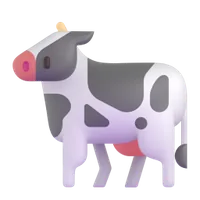 | Cow | mucca | ||
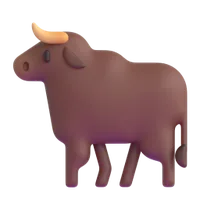 | Bull | toro | ||
 | Buffalo | bufalo | ||
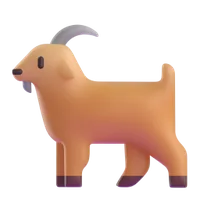 | Goat | capra | ||
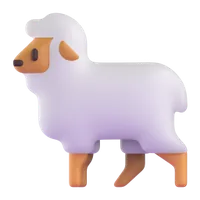 | Sheep | pecora | ||
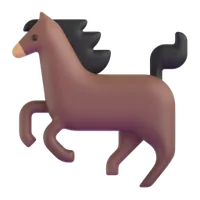 | Horse | cavallo | ||
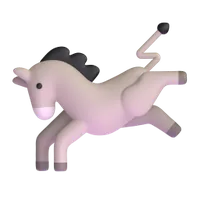 | Donkey | asino | ||
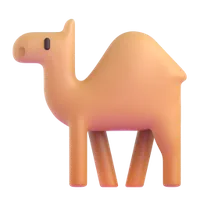 | Camel | cammello | ||
 | Pig | maiale | ||
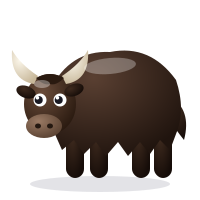 | Yak | yak | ||
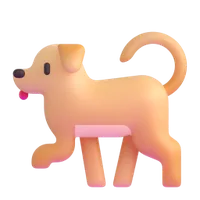 | Dog | cane | ||
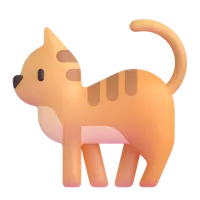 | Cat | gatto | ||
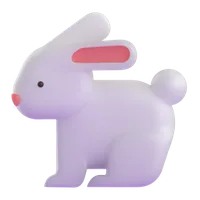 | Rabbit | coniglio | ||
 | Hamster | criceto | ||
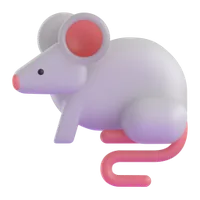 | Mouse | topolino | ||
 | Elephant | elefante | ||
 | Lion | leone | ||
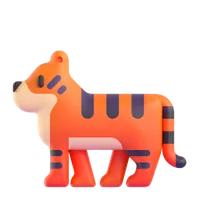 | Tiger | tigre | ||
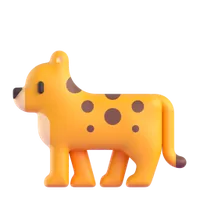 | Leopard | leopardo | ||
 | Bear | orso | ||
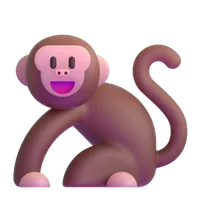 | Monkey | scimmia | ||
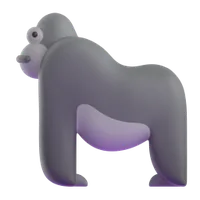 | Gorilla | gorilla | ||
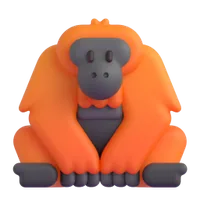 | Orangutan | orango | ||
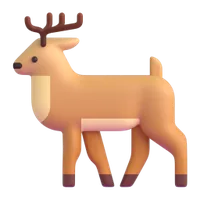 | Deer | cervo | ||
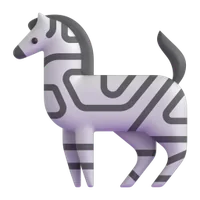 | Zebra | zebra | ||
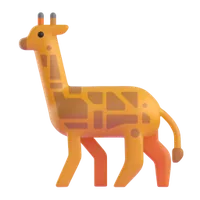 | Giraffe | giraffa | ||
 | Hippo | ippopotamo | ||
 | Rhino | rinoceronte | ||
 | Fox | volpe | ||
 | Wolf | lupo | ||
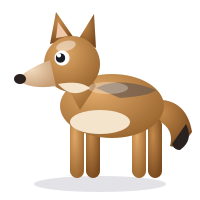 | Jackal | sciacallo | ||
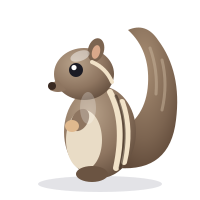 | Squirrel | scoiattolo | ||
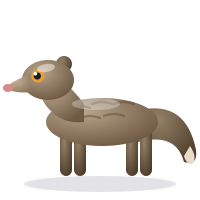 | Mongoose | mangusta | ||
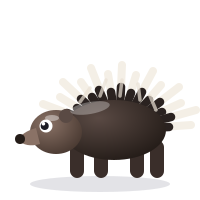 | Porcupine | porcospino | ||
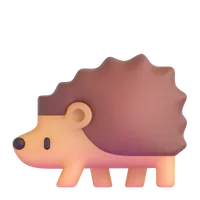 | Hedgehog | riccio | ||
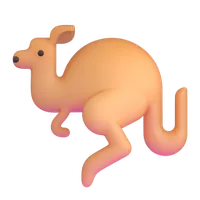 | Kangaroo | canguro | ||
 | Koala | koala | ||
 | Panda | panda | ||
 | Polar Bear | orso polare | ||
 | Sloth | bradipo | ||
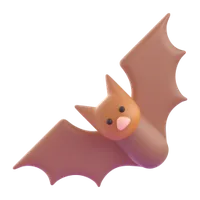 | Bat | pipistrello | ||
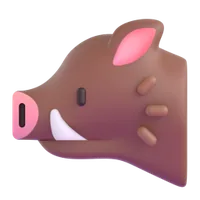 | Wild Boar | cinghiale | ||
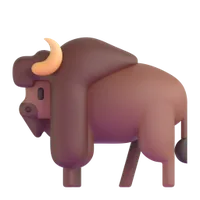 | Indian Bison | gaur | ||
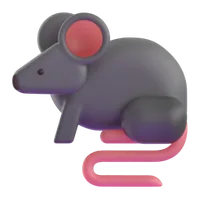 | Rat | ratto | ||
 | Fish | pesce | ||
 | Goldfish | pesce rosso | ||
 | Frog | rana | ||
 | Whale | balena | ||
 | Dolphin | delfino | ||
 | Shark | squalo | ||
 | Octopus | polpo | ||
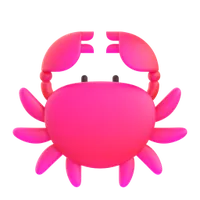 | Crab | granchio | ||
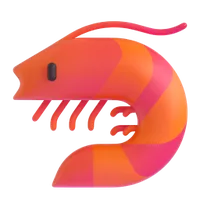 | Prawn | gambero | ||
 | Squid | calamaro | ||
 | Seal | foca | ||
 | Jellyfish | medusa | ||
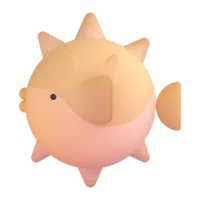 | Pufferfish | pesce palla | ||
 | Otter | lontra | ||
 | Starfish | stella marina | ||
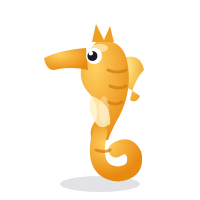 | Seahorse | cavalluccio marino |
Animals in Italian are a lovely first topic, full of sounds, songs and words that are fun to say. This page has 60 animals with pictures and clear audio: farm animals like mucca (cow) and cavallo (horse), pets like cane (dog) and gatto (cat), wild animals like leone (lion) and lupo (wolf), and sea animals like delfino (dolphin) and cavalluccio marino (seahorse). Tap a picture to hear the Italian and English name, then play Find it once a few names feel familiar.
Farm animals and pets in Italian
Start with gli animali della fattoria: mucca (cow), toro (bull), capra (goat), pecora (sheep), cavallo (horse), asino (donkey) and maiale (pig). Then add animali domestici (pets): cane, gatto, coniglio (rabbit), criceto (hamster) and topolino (little mouse). The buffalo, bufalo, is special in Italy: buffalo milk from Campania makes real mozzarella di bufala.
Wild and zoo animals in Italian
Many wild animals sound close to English, which gives children an easy start: elefante, tigre, leopardo, gorilla, zebra, giraffa, canguro, koala and panda. Others are new: scimmia (monkey), orso (bear), volpe (fox), scoiattolo (squirrel), riccio (hedgehog), pipistrello (bat) and cinghiale (wild boar). The sloth is bradipo, and the porcupine is porcospino, "thorny pig".
The wolf, lupo, has a special place in Italian culture. The legend of Rome tells of twins, Romulus and Remus, raised by a she-wolf, la lupa, and wolves still live wild in the Apennine mountains today. Children also meet the wolf in the Italian telling of Little Red Riding Hood, Cappuccetto Rosso.
Sea animals in Italian
Italy is surrounded by sea, so animali marini are everyday words: pesce (fish), balena (whale), delfino, squalo (shark), polpo (octopus), granchio (crab), medusa (jellyfish), foca (seal) and stella marina, "sea star". The seahorse is cavalluccio marino, "little sea horse", and the goldfish is pesce rosso, "red fish". The pufferfish is pesce palla, "ball fish", which children always love.
Il, la and animal endings
Every Italian noun is masculine or feminine. The word list says the plain word, but in a sentence you add an article: il cane, il gatto, la mucca, la pecora, and l'elefante before a vowel. Many animals change their ending for male and female: gatto / gatta, lupo / lupa, orso / orsa. Some keep one form: la giraffa or la tigre. You do not need to explain grammar to a small child. Just say the article every time: "Guarda, il cavallo!"
Animal sounds in Italian
Italian animals have their own voices. A dog says bau bau, a cat miao, a cow muu, a sheep bee, a duck qua qua, a rooster chicchirichì and a chick pio pio. Every Italian child knows "Nella vecchia fattoria", the Italian "Old MacDonald had a farm", and the silly song "Il coccodrillo come fa?" ("What does the crocodile say?"). Compare sounds with our animal sounds game.
How to teach animal names in Italian at home
- Five at a time. Choose five animals and play Listen for two minutes.
- Toy animals. Ask "Dov'è il cavallo?" (Where is the horse?) and let your child point.
- Move like animals. Say "Sono una scimmia!" and move like a monkey. Take turns.
- Outdoor spotting. Name every cane, gatto and uccello (bird) on your walk.
- Alphabet link. Many animals are on the Italian alphabet cards: A come ape, O come orso, R come rana.
Play "Chi sono?" (Who am I?): describe an animal simply, like "Sono grande e grigio, ho la proboscide" ("I am big and grey, I have a trunk"), and let your child tap the right picture.
What to expect by age
At two to three, children learn five to ten animals, mostly pets and farm animals, and enjoy the sounds most. At three to four, they name 15-20 animals and sort them into farm, wild and sea. At four to five, they use short sentences like "Il leone è grande". At five to six, they can read short names like rana, lupo and foca. If your child is shy, let them point before speaking. Keep screen time short and shared; under-twos learn best from real animals and books with a grown-up. For English and Hindi names, see animals name in Hindi and English, or compare the animals in Spanish.
Nomi degli animali per bambini
In questa pagina ci sono 60 animali con immagine e audio: gli animali della fattoria come la mucca, la pecora e il cavallo; gli animali selvatici come il leone, il lupo e l'elefante; e gli animali marini come la balena, il delfino e il polpo.
Dite sempre l'articolo, il cane, la mucca, imitate i versi degli animali e cantate insieme „Nella vecchia fattoria”. Cercate gli animali nei libri, al parco o in campagna: così vostro figlio impara i nomi giocando.
How to use this page at home
Say it, then find it
Play for a few minutes, then look for the same thing away from the screen: italian words on the shelf, in the kitchen, on the way to school. A child learns a word properly when they meet it twice, once on the screen and once in their hand.
Ten minutes is enough
Short and happy beats long and tired. Stop while your child still wants more, and come back tomorrow: the same page on five short days teaches far more than one long sitting. Nothing here is scored, so there is no reason to push.
Use both languages
Tap the language button at the top to hear the words in your home language first and the second language after. Hearing the same picture named in two languages is one of the few things research agrees builds attention as well as vocabulary.