Body parts in German: word list with pictures
30 words · tap 🔊 to hear each one in German.
| Picture | English | German | Say it | Listen |
|---|---|---|---|---|
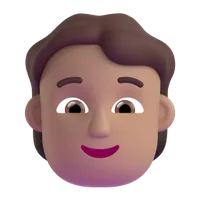 | Head | der Kopf | ||
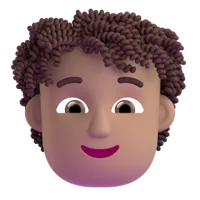 | Hair | die Haare | ||
 | Face | das Gesicht | ||
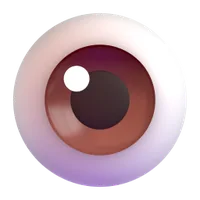 | Eye | das Auge | ||
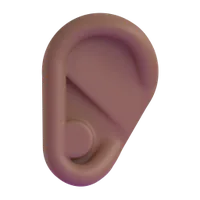 | Ear | das Ohr | ||
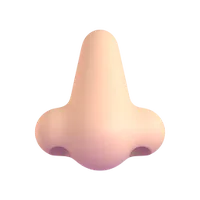 | Nose | die Nase | ||
 | Mouth | der Mund | ||
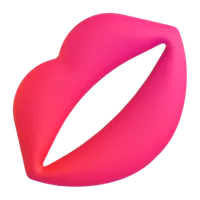 | Lips | die Lippen | ||
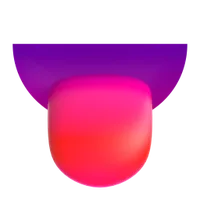 | Tongue | die Zunge | ||
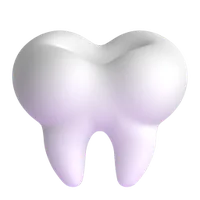 | Teeth | die Zähne | ||
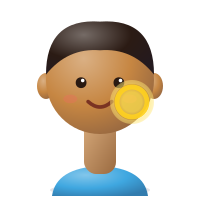 | Cheek | die Wange | ||
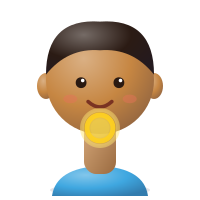 | Chin | das Kinn | ||
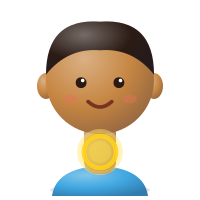 | Neck | der Hals | ||
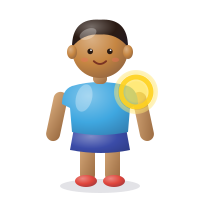 | Shoulder | die Schulter | ||
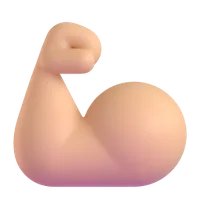 | Arm | der Arm | ||
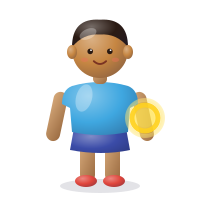 | Elbow | der Ellenbogen | ||
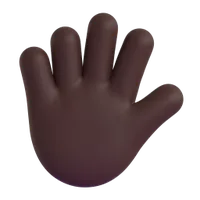 | Hand | die Hand | ||
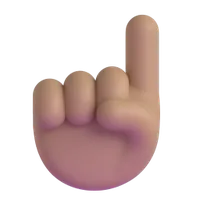 | Finger | der Finger | ||
 | Thumb | der Daumen | ||
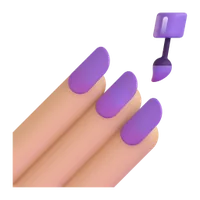 | Nail | der Fingernagel | ||
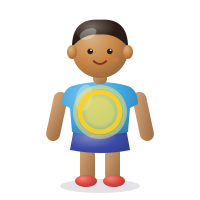 | Tummy | der Bauch | ||
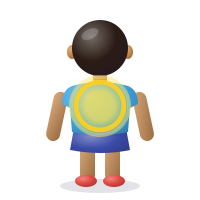 | Back | der Rücken | ||
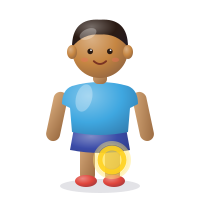 | Knee | das Knie | ||
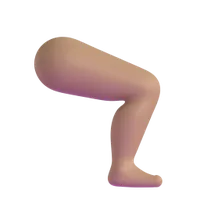 | Leg | das Bein | ||
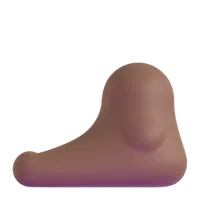 | Foot | der Fuß | ||
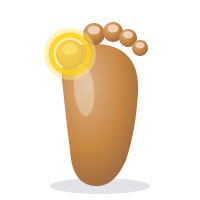 | Toe | der Zeh | ||
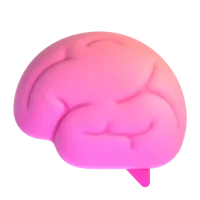 | Brain | das Gehirn | ||
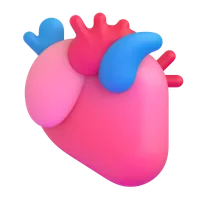 | Heart | das Herz | ||
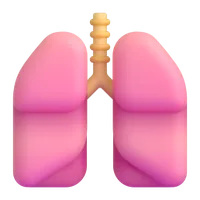 | Lungs | die Lunge | ||
 | Bones | die Knochen |
Body parts in German are some of the most useful words a small child can know: for bath time, getting dressed, songs and telling a grown-up where it hurts. This page has 30 body parts with pictures and clear audio, from der Kopf (head), die Nase (nose) and der Bauch (tummy) to das Herz (heart) and die Knochen (bones). Tap a picture to hear the German and English word, then play Find it.
Parts of the face in German
Start with the face, because your child can touch each part as they say it: das Gesicht (face), das Auge (eye), das Ohr (ear), die Nase (nose), der Mund (mouth), die Lippen (lips), die Zunge (tongue), die Zähne (teeth), die Wange (cheek) and das Kinn (chin). Hair is die Haare, usually plural in German. Several of these are also on the German alphabet cards: N wie Nase, O wie Ohr and ß wie Fuß.
Arms, legs and the rest of the body
Next come the big parts: der Hals (neck), die Schulter (shoulder), der Arm, der Ellenbogen (elbow), die Hand, der Finger, der Daumen (thumb), der Bauch (tummy), der Rücken (back), das Bein (leg), das Knie (knee), der Fuß (foot) and der Zeh (toe). Arm, Hand and Finger are the same in English and German, a nice easy win. For older children, the list also has the inside of the body: das Gehirn (brain), das Herz, die Lunge (lungs) and die Knochen.
One eye, two eyes: plurals
We have two of many body parts, so plurals come up quickly. German plurals change in different ways, and children learn them by hearing them.
| One | Two | English |
|---|---|---|
| ein Auge | zwei Augen | eye / eyes |
| ein Ohr | zwei Ohren | ear / ears |
| eine Hand | zwei Hände | hand / hands |
| ein Fuß | zwei Füße | foot / feet |
| ein Zahn | viele Zähne | tooth / teeth |
Just like English "foot, feet", German often changes the vowel: Fuß, Füße; Hand, Hände. Count body parts together with numbers in German: "Wie viele Finger hast du?" "Zehn!"
Body songs German children sing
The German version of "Head, shoulders, knees and toes" is "Kopf, Schulter, Knie und Fuß", sung faster and faster in Kitas all over Germany. Children touch each part as they sing, which links the word to the body. The finger rhyme "Das ist der Daumen" names each finger in turn and ends with the little one who eats everything up. These rhymes are a big part of how German toddlers learn body words.
How to teach body parts in German at home
- Bath time. Wash each part and name it: "Jetzt waschen wir die Füße."
- Touch game. Say "Zeig mir deine Nase!" (Show me your nose!) and let your child point. Swap roles.
- Doll or teddy. Name the teddy's Ohren, Augen and Bauch.
- Draw a person. Draw around your child on big paper and label the parts in German.
- Useful phrase. Teach "Mein Bauch tut weh" (My tummy hurts), so your child can tell a Kita teacher.
If your family has just moved to Germany, practise how to say where it hurts before the first visit to the Kinderarzt (children's doctor). It helps your child feel safe.
What to expect by age
At two to three, children point to five to ten body parts when asked, and say some of them: Nase, Auge, Bauch. At three to four, they name most face parts and big body parts. At four to five, they learn elbow, shoulder, chin and cheek, and use plurals. At five to six, they start to talk about the heart, brain and bones. Body words also help children talk about their own body safely: teach that their body belongs to them, and that they can say "Nein" and tell a trusted grown-up. Keep screen sessions short and shared. For English and Hindi words, see body parts name in Hindi and English.
Körperteile für Kinder lernen
Auf dieser Seite lernt Ihr Kind 30 Körperteile mit Bild und Ton: Kopf, Haare, Augen, Ohren, Nase, Mund, Hände, Füße und vieles mehr. Tippen Sie auf ein Bild, und Ihr Kind hört das Wort auf Deutsch und auf Englisch.
Singen Sie gemeinsam „Kopf, Schulter, Knie und Fuß“, benennen Sie beim Baden jeden Körperteil und spielen Sie „Zeig mir deine Nase!“. So verbinden Kinder die Wörter mit ihrem eigenen Körper, und sie lernen sie ganz leicht.
How to use this page at home
Say it, then find it
Play for a few minutes, then look for the same thing away from the screen: german words on the shelf, in the kitchen, on the way to school. A child learns a word properly when they meet it twice, once on the screen and once in their hand.
Ten minutes is enough
Short and happy beats long and tired. Stop while your child still wants more, and come back tomorrow: the same page on five short days teaches far more than one long sitting. Nothing here is scored, so there is no reason to push.
Use both languages
Tap the language button at the top to hear the words in your home language first and the second language after. Hearing the same picture named in two languages is one of the few things research agrees builds attention as well as vocabulary.