Body parts in Filipino: word list with pictures
30 words · tap 🔊 to hear each one in Filipino.
| Picture | English | Filipino | Say it | Listen |
|---|---|---|---|---|
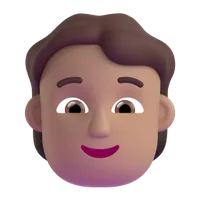 | Head | ulo | ||
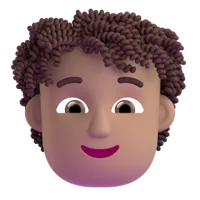 | Hair | buhok | ||
 | Face | mukha | ||
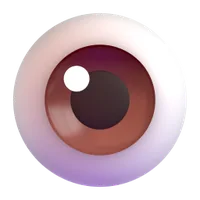 | Eye | mata | ||
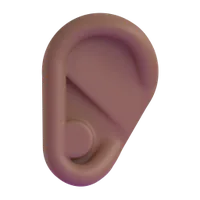 | Ear | tainga | ||
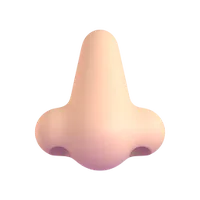 | Nose | ilong | ||
 | Mouth | bibig | ||
 | Lips | labi | ||
 | Tongue | dila | ||
 | Teeth | ngipin | ||
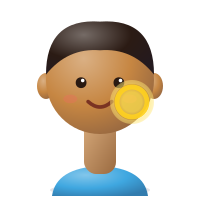 | Cheek | pisngi | ||
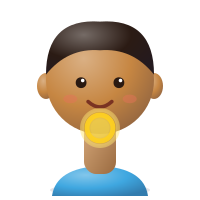 | Chin | baba | ||
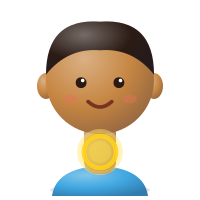 | Neck | leeg | ||
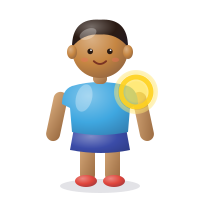 | Shoulder | balikat | ||
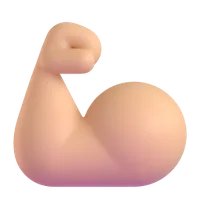 | Arm | braso | ||
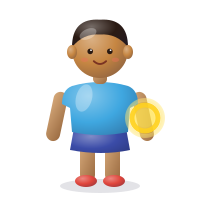 | Elbow | siko | ||
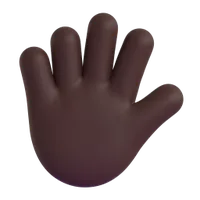 | Hand | kamay | ||
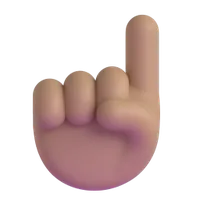 | Finger | daliri | ||
 | Thumb | hinlalaki | ||
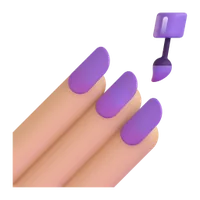 | Nail | kuko | ||
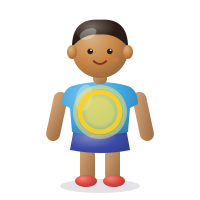 | Tummy | tiyan | ||
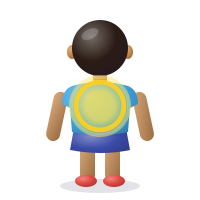 | Back | likod | ||
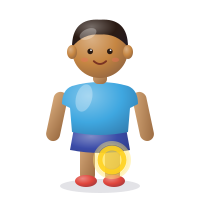 | Knee | tuhod | ||
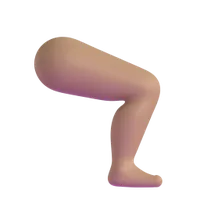 | Leg | binti | ||
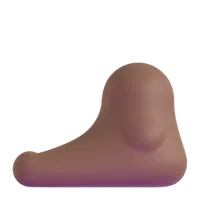 | Foot | paa | ||
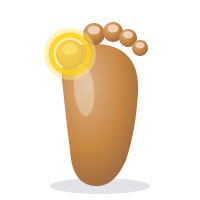 | Toe | daliri sa paa | ||
 | Brain | utak | ||
 | Heart | puso | ||
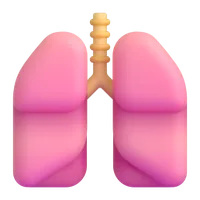 | Lungs | baga | ||
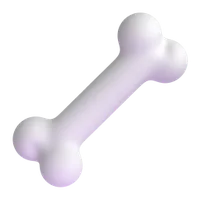 | Bones | buto |
Body parts in Filipino, mga bahagi ng katawan, are among the first words children learn, and the Philippine kindergarten theme "Ako" (Me) begins right here. This page has 30 body parts with pictures and clear audio, from ulo (head), mata (eyes) and ilong (nose) to puso (heart), baga (lungs) and buto (bones). Tap a picture to hear each word in Filipino and English.
Sing "Sampung Mga Daliri"
The best-loved Filipino body song is "Sampung Mga Daliri" (Ten Fingers). Children count their fingers, then touch their mata, tainga, ilong, bibig and ngipin, and it ends with a reminder to keep them clean. It teaches counting and body words at the same time; pair it with numbers in Filipino. Children also sing "Head, Shoulders, Knees and Toes" as "Ulo, Balikat, Tuhod, Paa", faster each round.
Face words first
The face gives the easiest words: mata (eye), tainga (ear, often said tenga), ilong (nose), bibig (mouth), labi (lips), dila (tongue), ngipin (teeth), pisngi (cheek), baba (chin) and buhok (hair). At a mirror, ask "Nasaan ang ilong mo?" (Where is your nose?) and let your child point, then swap roles.
Body words worth a closer look
| Filipino | English | Note |
|---|---|---|
| paa | foot | often used for the whole leg in daily talk |
| binti | leg (lower leg) | the calf area |
| daliri | finger | toes are daliri sa paa, "fingers of the foot" |
| hinlalaki | thumb | each finger has a name; the little finger is hinliliit |
| baba | chin | the same spelling also means "go down" |
| tiyan | tummy | "Gutom na ang tiyan ko", my tummy is hungry |
Filipino even has a name for each finger: hinlalaki (thumb), hintuturo (pointer, from "to point"), hinlalato (middle), palasingsingan (ring finger, from singsing, ring) and hinliliit (little finger). Older children love learning them.
The five senses: limang pandama
Kindergartens teach the five senses, limang pandama: mata to see (makakita), tainga to hear (makarinig), ilong to smell (makaamoy), dila to taste (makalasa) and balat (skin) to feel (makadama).
What to expect by age
At 2-3, children point to 5-10 body parts on themselves or a doll. At 3-4, they name 15-20 and join the songs. At 4-5, they explain what parts do. At 5-6, they are curious about the inside: utak (brain), puso (heart), baga (lungs). After running, feel the puso beating fast together.
Body words in daily routines
- Before meals. "Maghugas ng kamay!" (Wash your hands!).
- Brushing teeth. "Magsipilyo ng ngipin" every morning and night.
- Mano po. When your child takes an elder's hand to their forehead, name the kamay and noo (forehead).
- Body outline. Trace your child on paper and label the parts together.
- English link. The body parts name page shows the same pictures in English.
Use calm, correct words for every part of the body, including private parts. Teach that their body belongs to them and that they can always tell a trusted grown-up if something feels wrong.
How to use the body parts game
In Listen, tap face words first and touch your own face as each one plays. In Find it, Golu asks for a body part in Filipino; your child taps the picture and then touches it on their own body. Wrong taps get a hint, never "wrong". For children with speech delay or autism, pointing is a full answer, and the settings can add captions or fewer choices. If you are worried about speech, talk to your paediatrician.
Body words for Filipino families abroad
Body words fit every routine, so they are easy to keep using outside the Philippines: "Isuot ang sapatos sa paa" (put your shoes on your feet) before school, "Nasaan ang tenga ni Tatay?" (Where is Daddy's ear?) on the bus. Sing "Sampung Mga Daliri" with Lola on a video call. If your child answers in English, echo the Filipino word with a smile.
Mga bahagi ng katawan para sa bata
May 30 bahagi ng katawan sa pahinang ito na may larawan at tunog, gaya ng ulo, buhok, mata, ilong, bibig, tainga, kamay, tuhod, paa at puso. Pindutin ang larawan para marinig ang pangalan nito sa Filipino at sa Ingles.
Kantahin ang "Sampung Mga Daliri" at "Ulo, Balikat, Tuhod, Paa" habang itinuturo ang bawat bahagi ng katawan. Sa paliligo, pagkain at pagsisipilyo, sabihin ang pangalan ng bawat bahagi. Sa ganitong paraan, natututo ang bata ng wika at ng kalinisan sa katawan.
Para sa mga pamilyang Pilipino sa ibang bansa, gamitin ang mga salitang ito sa araw-araw: sa pagsusuot ng sapatos, sa paghuhugas ng kamay at bago matulog. Mas mabisa ang kaunting salita araw-araw kaysa mahabang aralin minsan sa isang linggo.
How to use this page at home
Say it, then find it
Play for a few minutes, then look for the same thing away from the screen: filipino words on the shelf, in the kitchen, on the way to school. A child learns a word properly when they meet it twice, once on the screen and once in their hand.
Ten minutes is enough
Short and happy beats long and tired. Stop while your child still wants more, and come back tomorrow: the same page on five short days teaches far more than one long sitting. Nothing here is scored, so there is no reason to push.
Use both languages
Tap the language button at the top to hear the words in your home language first and the second language after. Hearing the same picture named in two languages is one of the few things research agrees builds attention as well as vocabulary.