Animals in Swahili: word list with pictures
60 words · tap 🔊 to hear each one in Swahili.
| Picture | English | Swahili | Say it | Listen |
|---|---|---|---|---|
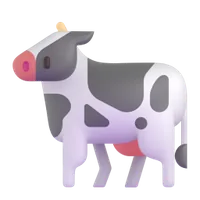 | Cow | ng'ombe | ||
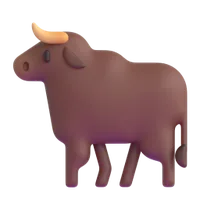 | Bull | fahali | ||
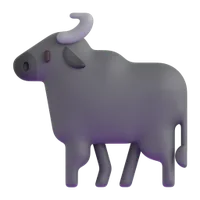 | Buffalo | nyati | ||
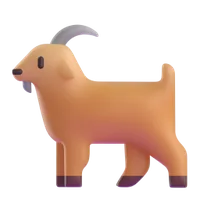 | Goat | mbuzi | ||
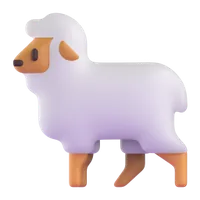 | Sheep | kondoo | ||
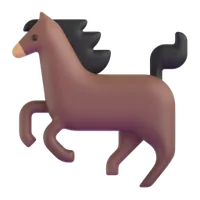 | Horse | farasi | ||
 | Donkey | punda | ||
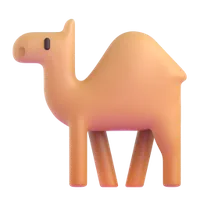 | Camel | ngamia | ||
 | Pig | nguruwe | ||
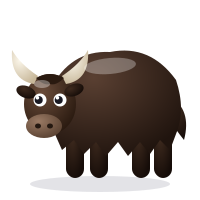 | Yak | yaki | ||
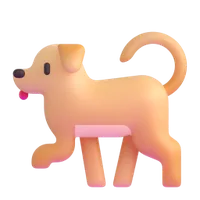 | Dog | mbwa | ||
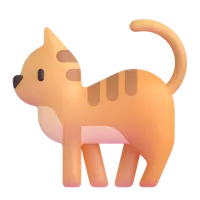 | Cat | paka | ||
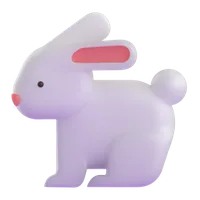 | Rabbit | sungura | ||
 | Hamster | hamsta | ||
 | Mouse | panya | ||
 | Elephant | tembo | ||
 | Lion | simba | ||
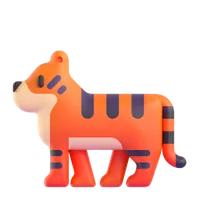 | Tiger | simbamarara | ||
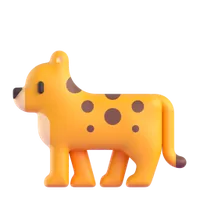 | Leopard | chui | ||
 | Bear | dubu | ||
 | Monkey | tumbili | ||
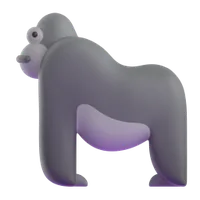 | Gorilla | sokwe mtu | ||
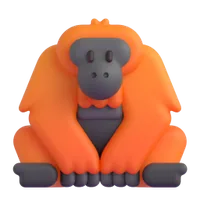 | Orangutan | orangutani | ||
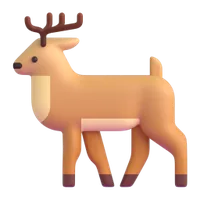 | Deer | kulungu | ||
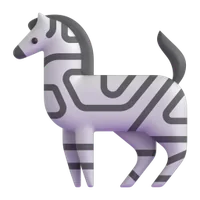 | Zebra | punda milia | ||
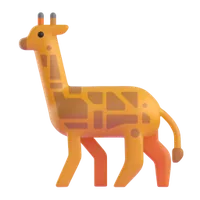 | Giraffe | twiga | ||
 | Hippo | kiboko | ||
 | Rhino | kifaru | ||
 | Fox | mbweha | ||
 | Wolf | mbwa mwitu | ||
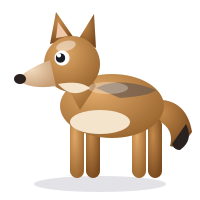 | Jackal | bweha | ||
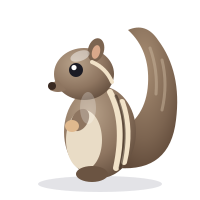 | Squirrel | kindi | ||
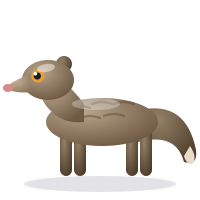 | Mongoose | nguchiro | ||
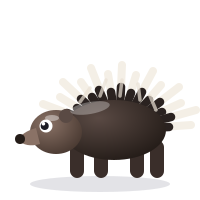 | Porcupine | nungunungu | ||
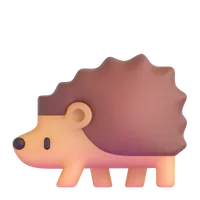 | Hedgehog | kalunguyeye | ||
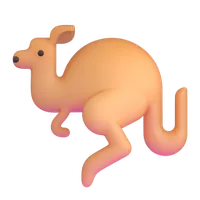 | Kangaroo | kangaruu | ||
 | Koala | koala | ||
 | Panda | panda | ||
 | Polar Bear | dubu wa theluji | ||
 | Sloth | slothi | ||
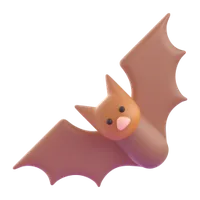 | Bat | popo | ||
 | Wild Boar | nguruwe mwitu | ||
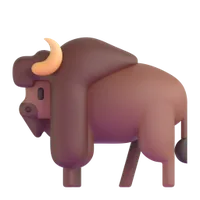 | Indian Bison | nyati wa India | ||
 | Rat | panya buku | ||
 | Fish | samaki | ||
 | Goldfish | samaki wa dhahabu | ||
 | Frog | chura | ||
 | Whale | nyangumi | ||
 | Dolphin | pomboo | ||
 | Shark | papa | ||
 | Octopus | pweza | ||
 | Crab | kaa | ||
 | Prawn | kamba | ||
 | Squid | ngisi | ||
 | Seal | sili | ||
 | Jellyfish | yavuyavu | ||
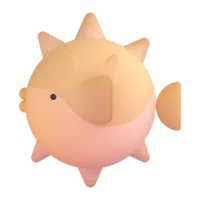 | Pufferfish | bunju | ||
 | Otter | fisi maji | ||
 | Starfish | kiti cha pweza | ||
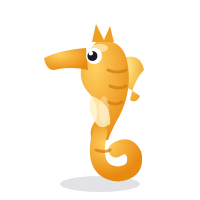 | Seahorse | farasi bahari |
Animals in Swahili are special, because East Africa is home to some of the world's most famous wildlife, and many children everywhere already know a Swahili animal word without realising it: simba means lion. This page has 60 animals with pictures and clear audio, from tembo (elephant), twiga (giraffe) and kiboko (hippo) to farm animals like ng'ombe (cow) and sea animals like pweza (octopus). Tap a picture to hear it in Swahili and English, then play Find it.
Safari animals in Swahili
The word safari itself is Swahili for "journey". On a safari in Kenya or Tanzania, guides name wanyama wa porini (wild animals) in Swahili: simba (lion), tembo (elephant), twiga (giraffe), kiboko (hippo), kifaru (rhino), nyati (buffalo), chui (leopard) and punda milia (zebra). Children love that punda milia means "striped donkey". The famous "Big Five" are simba, chui, tembo, kifaru and nyati; all five are on our cards.
Other wild animals include tumbili (monkey), sokwe mtu (gorilla), mbweha (fox), bweha (jackal), kulungu (deer), dubu (bear) and popo (bat). Some animals from other continents have borrowed names, like kangaruu, koala and panda, which are an easy win for English-speaking children.
Farm animals and pets in Swahili
Wanyama wa nyumbani (home and farm animals) are part of daily life in many East African families: ng'ombe (cow), mbuzi (goat), kondoo (sheep), punda (donkey), kuku (chicken), bata (duck) and ngamia (camel). Pets include mbwa (dog), paka (cat) and sungura (rabbit). Paka, kuku and bata are among the first words children read, because they are built from simple syllables: pa-ka, ku-ku, ba-ta.
Sea animals of the Swahili coast
The Swahili language was born on the Indian Ocean coast, from Mombasa to Zanzibar, so sea words are part of its story. Wanyama wa baharini include samaki (fish), pweza (octopus), kaa (crab), kamba (prawn), ngisi (squid), papa (shark), pomboo (dolphin) and nyangumi (whale). Children giggle when they learn that papa means shark! The seahorse is farasi bahari, "sea horse", just like in English.
One animal, many animals
Swahili groups nouns into classes, and many animal names stay the same in the plural: one simba, two simba; one twiga, many twiga. What changes is the little word that goes with them: simba mmoja (one lion), simba wawili (two lions). Some animals change their first syllable, like kiboko → viboko (hippos) and kifaru → vifaru (rhinos). The word for animals itself follows the people pattern: mnyama (animal), wanyama (animals). Children pick all this up by ear.
Animal sounds and songs
Swahili-speaking children imitate animals too. A cat says nyau, a dog barks hu hu, and a rooster's crow is often written kokoriko. Make the sounds together, then compare with English in our animal sounds game. Animal stories are everywhere in East African folk tales, especially the clever hare, Sungura, who tricks bigger animals like Simba and Tembo.
How to teach animal names at home
- Five at a time. Choose five animals, play Listen, then Find it.
- Safari walk. Hide toy animals around the room and go on a safari to find them, naming each one.
- Ask where. "Twiga yuko wapi?" ("Where is the giraffe?") with a picture book.
- Act it out. Stomp like a tembo, stretch tall like a twiga, roar like a simba.
- Letter link. Many animals are on the Swahili alphabet cards: B – bata, D – dubu, F – farasi, K – kuku, P – paka, T – tembo.
Worksheet idea: print this page from your browser and cut out the word list pictures for a matching game. There is no PDF, but the page prints cleanly.
What to expect, and tips for families abroad
At 2-3, children usually learn 5-10 animal names, often pets, farm animals and the big safari favourites. At 3-4, they name 15-20 and sort them into home, wild and sea animals. At 5-6, many can read short names like paka, kuku, bata, simba syllable by syllable. Families abroad can keep a Swahili animal book for bedtime and ask bibi and babu to tell a Sungura story on a video call. For English and Hindi names, see animals name and wild animals name.
Wanyama kwa watoto
Katika ukurasa huu kuna wanyama 60 wenye picha na sauti: wanyama wa nyumbani, wanyama wa porini na wanyama wa baharini. Gusa picha, na mtoto atasikia jina la mnyama kwa Kiswahili na kwa Kiingereza.
Someni hadithi za Sungura mjanja, igeni sauti za wanyama, na tafuteni wanyama nje: paka, kuku, ng'ombe na ndege. Hivyo maneno mapya yanakumbukwa kwa urahisi na kwa furaha.
How to use this page at home
Say it, then find it
Play for a few minutes, then look for the same thing away from the screen: swahili words on the shelf, in the kitchen, on the way to school. A child learns a word properly when they meet it twice, once on the screen and once in their hand.
Ten minutes is enough
Short and happy beats long and tired. Stop while your child still wants more, and come back tomorrow: the same page on five short days teaches far more than one long sitting. Nothing here is scored, so there is no reason to push.
Use both languages
Tap the language button at the top to hear the words in your home language first and the second language after. Hearing the same picture named in two languages is one of the few things research agrees builds attention as well as vocabulary.