Animals in Filipino: word list with pictures
60 words · tap 🔊 to hear each one in Filipino.
| Picture | English | Filipino | Say it | Listen |
|---|---|---|---|---|
 | Cow | baka | ||
 | Bull | toro | ||
 | Buffalo | kalabaw | ||
 | Goat | kambing | ||
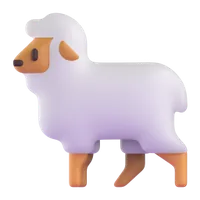 | Sheep | tupa | ||
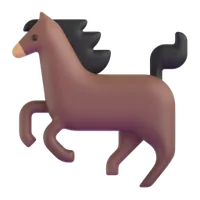 | Horse | kabayo | ||
 | Donkey | asno | ||
 | Camel | kamelyo | ||
 | Pig | baboy | ||
 | Yak | yak | ||
 | Dog | aso | ||
 | Cat | pusa | ||
 | Rabbit | kuneho | ||
 | Hamster | hamster | ||
 | Mouse | daga | ||
 | Elephant | elepante | ||
 | Lion | leon | ||
 | Tiger | tigre | ||
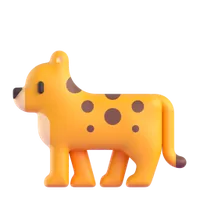 | Leopard | leopardo | ||
 | Bear | oso | ||
 | Monkey | unggoy | ||
 | Gorilla | gorilya | ||
 | Orangutan | orangutan | ||
 | Deer | usa | ||
 | Zebra | sebra | ||
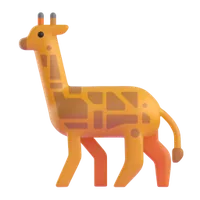 | Giraffe | dyirap | ||
 | Hippo | hipopotamus | ||
 | Rhino | rhino | ||
 | Fox | soro | ||
 | Wolf | lobo | ||
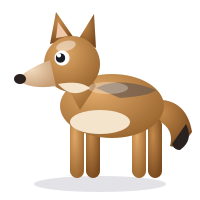 | Jackal | jackal | ||
 | Squirrel | ardilya | ||
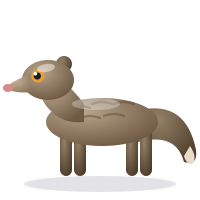 | Mongoose | mongoose | ||
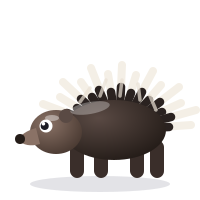 | Porcupine | porcupine | ||
 | Hedgehog | hedgehog | ||
 | Kangaroo | kangaroo | ||
 | Koala | koala | ||
 | Panda | panda | ||
 | Polar Bear | polar bear | ||
 | Sloth | sloth | ||
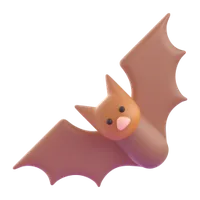 | Bat | paniki | ||
 | Wild Boar | baboy-ramo | ||
 | Indian Bison | gaur | ||
 | Rat | malaking daga | ||
 | Fish | isda | ||
 | Goldfish | goldfish | ||
 | Frog | palaka | ||
 | Whale | balyena | ||
 | Dolphin | dolphin | ||
 | Shark | pating | ||
 | Octopus | pugita | ||
 | Crab | alimango | ||
 | Prawn | hipon | ||
 | Squid | pusit | ||
 | Seal | seal | ||
 | Jellyfish | dikya | ||
 | Pufferfish | butete | ||
 | Otter | otter | ||
 | Starfish | starfish | ||
 | Seahorse | kabayo-kabayuhan sa dagat |
Animals name in Filipino is a favourite first topic for children, from the aso and pusa at home to the kalabaw in the rice fields. This page has 60 animals (mga hayop) with pictures and clear audio: farm animals such as baka (cow), kambing (goat) and kabayo (horse), pets like aso (dog), pusa (cat) and kuneho (rabbit), wild animals from unggoy (monkey) to elepante (elephant), and sea animals such as pating (shark), pugita (octopus) and alimango (crab). Tap a picture to hear each one.
Farm animals and pets
The kalabaw (carabao, or water buffalo) is the national animal of the Philippines, a patient helper that ploughs rice fields, and children see it in books, songs and on provincial trips. Other farm animals in the game are baka (cow), toro (bull), kambing (goat), tupa (sheep), kabayo (horse), asno (donkey) and baboy (pig). Pets (alagang hayop) include aso, pusa, kuneho and hamster.
Native and Spanish-origin animal names
Filipino has animal words from its own roots and from Spanish, which is fun to explore with older children:
| Native Filipino | English | From Spanish | English |
|---|---|---|---|
| aso | dog | kabayo (caballo) | horse |
| pusa | cat | baka (vaca) | cow |
| unggoy | monkey | kuneho (conejo) | rabbit |
| palaka | frog | leon (león) | lion |
| pating | shark | oso (oso) | bear |
| paniki | bat | lobo (lobo) | wolf |
Some newer animal names are simply English, like koala, kangaroo and panda, which gives an English-speaking child a quick win.
Sea animals from an island nation
With more than 7,000 islands, the Philippines has amazing sea life, and seafood words are part of daily meals: isda (fish), hipon (prawn), pusit (squid), alimango (crab), pugita (octopus), dikya (jellyfish) and butete (pufferfish). The whale is balyena, and the whale shark, a gentle giant famous in Donsol and Oslob, is called butanding. Sing the playful crab song "Tong Tong Tong Pakitong-kitong" and pinch like an alimango.
Special animals of the Philippines
Three famous Philippine animals are not in the game but make wonderful talking points: the Philippine eagle (haribon, "king of birds"), the tiny big-eyed tarsier of Bohol, and the tamaraw, a small wild buffalo found only on Mindoro. Kindergarten themes about kalikasan (nature) often feature them.
Animal sounds in Filipino
A rooster crows tiktilaok, a dog barks aw aw, a cat says ngiyaw, a pig oink, a duck kwak kwak and a frog kokak. Make a sound, let your child guess, then find the animal in the game or try the English animal sounds game.
How to teach animal names in Filipino
- Five at a time. Use Listen mode and repeat each name together.
- Find it. Golu asks "Where is...?" in Filipino. A wrong tap gets a gentle hint, never "wrong".
- Sort. Group toys into hayop sa bukid (farm), hayop sa gubat (forest) and hayop sa dagat (sea).
- Visit. At a farm, a zoo or the fish market, name everything you see.
- Letters. Several animals are on the Filipino alphabet: A aso, K kabayo, P pusa.
At 2-3, aim for 5-10 animals with lots of sounds. At 3-4, 15-20 and sorting. At 4-6, short sentences like "Malaki ang elepante" (the elephant is big). Praise every try, and let a shy child point first. English names are on the animals name page.
Animal words for Filipino families abroad
Animals travel well as a topic, because children are curious about them in every country. Name the ducks in the park, the neighbour's dog and the animals in English picture books in Filipino. Tell stories about the kalabaw on Lolo's farm or the butanding in the sea, and look up the tarsier together. On a video call, let your child hold up a toy animal and ask Lola "Ano po ito?" (What is this?). Using po with grandparents keeps both the words and the manners alive.
Mga hayop para sa bata
May 60 hayop sa pahinang ito na may larawan at tunog: mga hayop sa bukid gaya ng kalabaw, baka at kambing; mga alagang hayop gaya ng aso, pusa at kuneho; mga hayop sa gubat gaya ng unggoy, leon at elepante; at mga hayop sa dagat gaya ng pating, pugita at alimango.
Gayahin ang tunog ng mga hayop kasama ang bata: tiktilaok ang tandang, aw aw ang aso at ngiyaw ang pusa. Kapag pumunta sa probinsya, sa zoo o sa palengke, pangalanan ang bawat hayop na makikita. Ikuwento rin sa bata na ang kalabaw ang pambansang hayop ng Pilipinas.
How to use this page at home
Say it, then find it
Play for a few minutes, then look for the same thing away from the screen: filipino words on the shelf, in the kitchen, on the way to school. A child learns a word properly when they meet it twice, once on the screen and once in their hand.
Ten minutes is enough
Short and happy beats long and tired. Stop while your child still wants more, and come back tomorrow: the same page on five short days teaches far more than one long sitting. Nothing here is scored, so there is no reason to push.
Use both languages
Tap the language button at the top to hear the words in your home language first and the second language after. Hearing the same picture named in two languages is one of the few things research agrees builds attention as well as vocabulary.